Sensory Distortion in 1970s Rome, Argento and the Glass Barrier
Dario Argento redefines the thriller through visual distortion and architectural coldness. A technical analysis of the 1970 film.
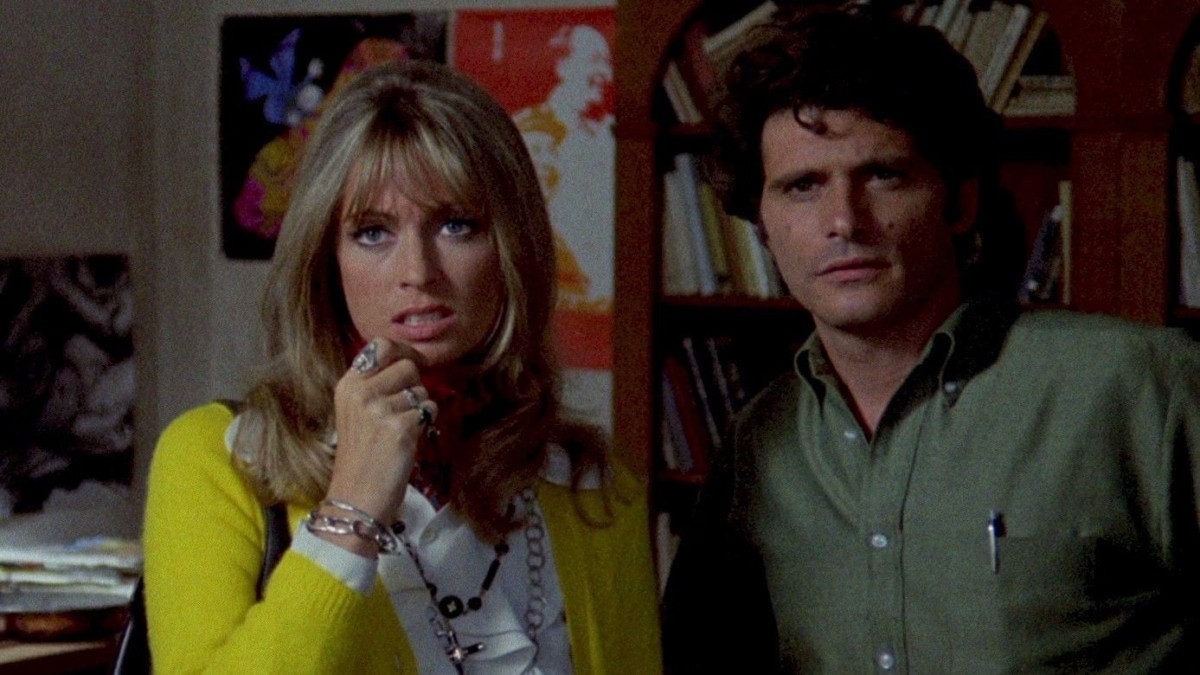
Sam Dalmas, an American writer residing in Rome, observes a violent conflict between a young woman and a black-coated person in an art museum while returning home one evening.
The Visual Trap
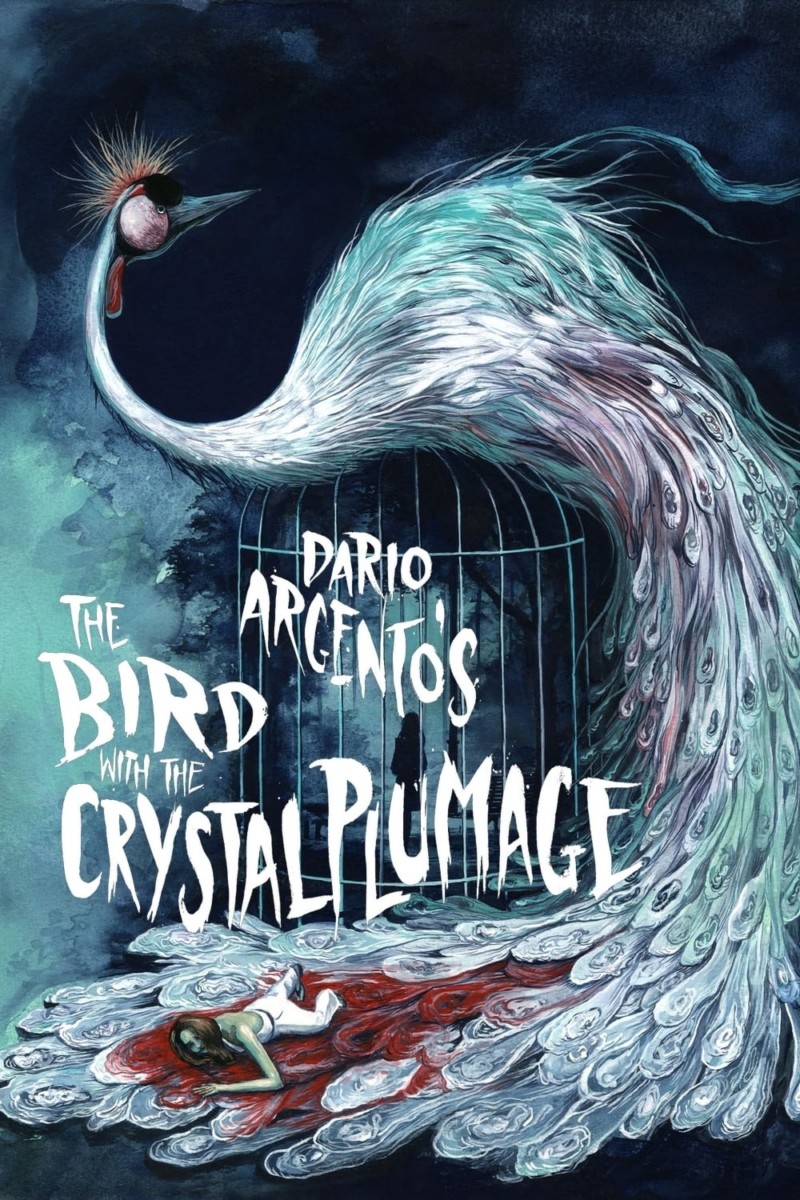
Dario Argento began his career as a director with The Bird with the Crystal Plumage in 1970. The plot follows Sam Dalmas, an American expatriate in Rome, who becomes trapped between two glass doors while witnessing an attempted murder in an art gallery. This sequence establishes the technical preoccupations of the film. Vittorio Storaro uses wide-angle lenses to distort the architecture of the gallery, turning the white walls into a clinical, suffocating vacuum. The protagonist is reduced to a passive observer, his vision obstructed by the very transparency of the glass. This moment critiques the reliability of the human eye. Dalmas spends the rest of the film obsessing over a detail he saw but cannot mentally process.
Architectural Violence
The film moves through a Rome of concrete and sharp edges, far removed from historical ruins. Argento emphasizes the cold textures of modern apartment blocks and narrow corridors. Ennio Morricone provides a score that alternates between childlike whimpering and sharp, dissonant jazz. These sounds mirror the erratic movements of the camera. The frame often adopts the perspective of the killer, moving with a mechanical, predatory intent. Violence is executed with surgical precision. The killer wears black leather gloves, a visual shorthand that strips the antagonist of identity and replaces it with a tactile, fetishistic coldness.
The Animal Trilogy
This production initiated a thematic sequence involving The Cat o’ Nine Tails (1971) and Four Flies on Grey Velvet (1974). Each entry uses animal nomenclature to anchor its central mystery in a biological or physical anomaly. In this first installment, the titular bird provides the specific auditory clue required to resolve the plot. Argento ignores the traditional whodunit structure in favor of a sensory assault. He prioritizes the geometry of the frame over the logic of the script. Characters exist as chess pieces within a larger aesthetic scheme. The resolution does not offer emotional catharsis but instead confirms the fallibility of the protagonist’s initial perception.
The Bird with the Crystal Plumage