Pioneering Women in Culture, Science and Arts
Italian history includes many women who have made significant contributions across various fields, such as art, science, education, politics, and entertainment. These women have left an indelible mark on their respective domains through their groundbreaking achievements and unwavering determination. Their stories span centuries, detailing their resilience, creativity, and dedication, often overcoming societal barriers and personal hardships to make lasting impacts on both Italian and global culture.
Artemisia Gentileschi (1593–1656)
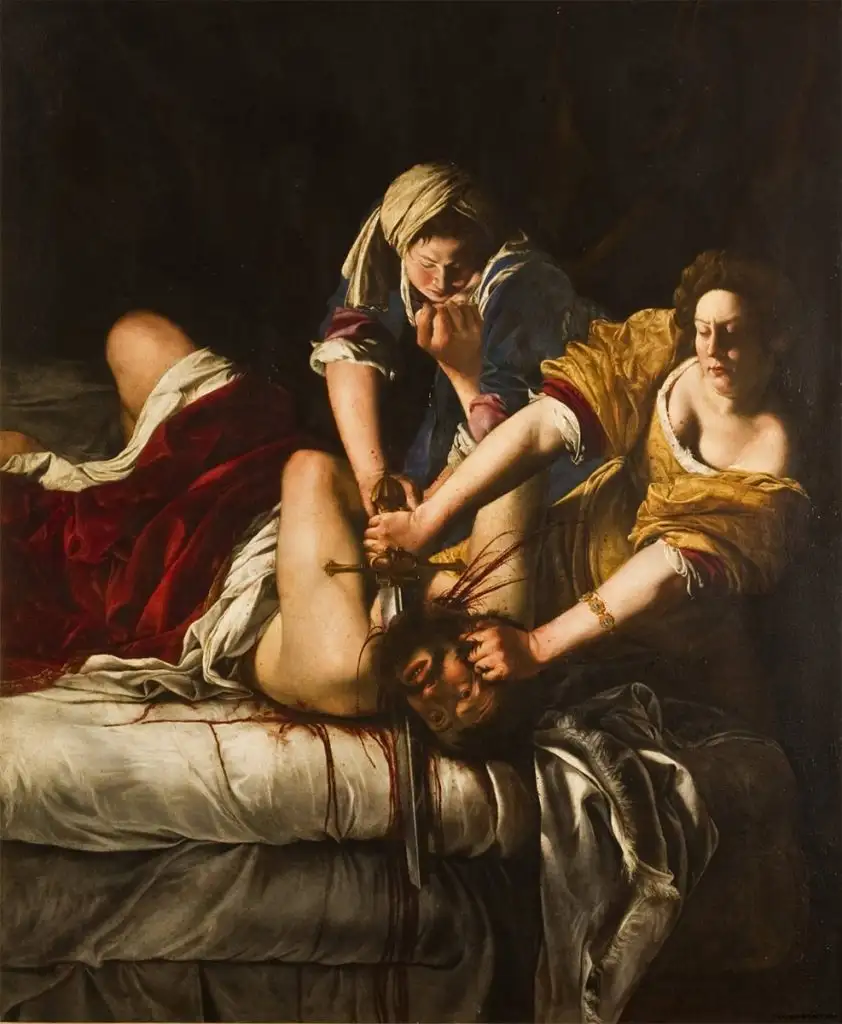
Artemisia Gentileschi was a pioneering Baroque painter and one of the first women to become a member of the Accademia di Arte del Disegno in Florence. Born in Rome, she was the daughter of the painter Orazio Gentileschi. Artemisia’s life was marked by personal and professional struggles, including a notorious rape trial in which she bravely testified against her attacker, Agostino Tassi. Despite these challenges, she created some of the most compelling works of her time, such as “Judith Slaying Holofernes,” which is noted for its dramatic use of light and shadow and its unflinching portrayal of female strength and vengeance.
Anna Maria Mozzoni (1837–1920)
Leading Italian suffragist and feminist Anna Maria Mozzoni was instrumental in advancing women’s rights in the late 19th and early 20th century. Mozzoni, a Milan native, is well-known for her writings on social concerns, such as “La donna e i suoi rapporti sociali” (Woman and Her Social Relationships). Her lifelong advocacy for gender equality led her to form the Lega per la Promozione degli Interessi Femminili, or League for the Promotion of Women’s Interests, and she was a key figure in the Italian battle for women’s suffrage.
Anna Kuliscioff (1857–1925)
_-_Anna_Kuliscioff_a_Firenze_(1908).jpg)
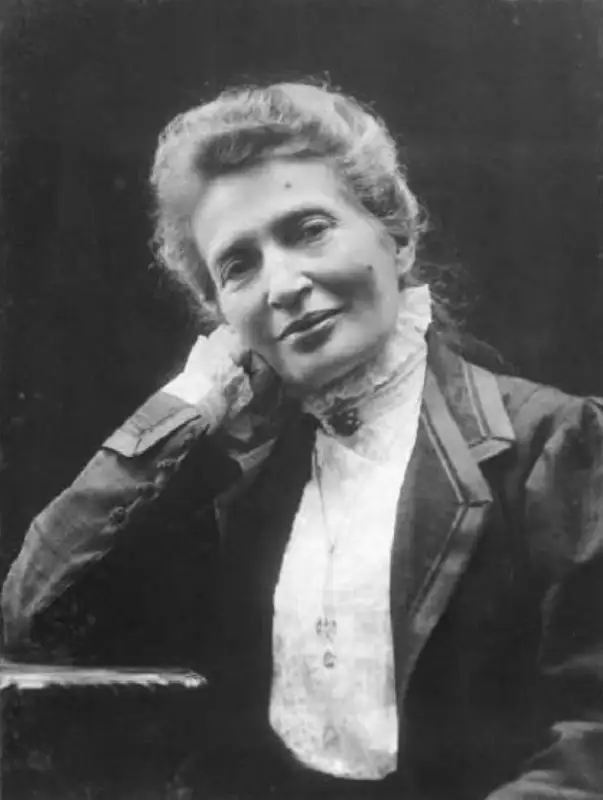
Russian-born physician Anna Kuliscioff was a socialist revolutionary. She moved to Italy in the late 19th century, where she quickly rose to prominence in the labor movement and become a strong supporter of women’s rights. One of the first female medical graduates in Italy, Kuliscioff focused in gynecology. She was crucial in the development of maternity leave and better working conditions for female employees. Italian socialism and labor reforms were influenced by her collaboration with renowned socialist Filippo Turati.
Maria Montessori (1870–1952)
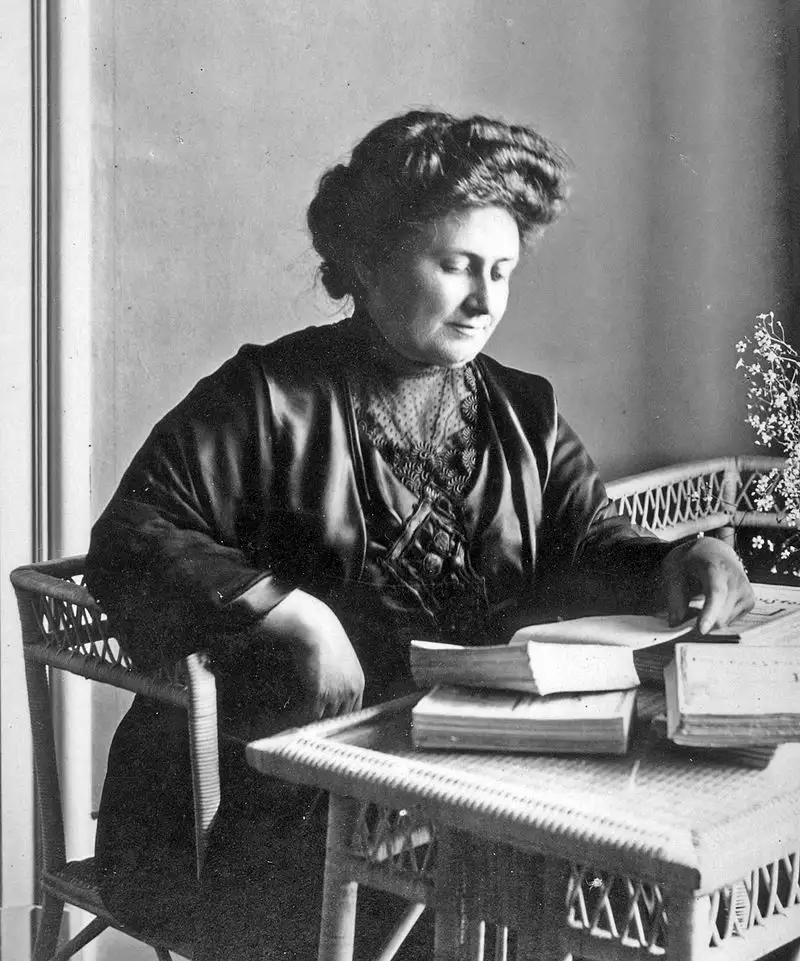

The first female graduate of the University of Rome La Sapienza Medical School, Maria Montessori was a pioneer in the field of education. She created the Montessori educational approach, which places an emphasis on experiential, child-centered learning, and was born in Chiaravalle. In 1907, Montessori established the Casa dei Bambini, her first school, in a low-income area of Rome. Her techniques, which are founded on scientific observations of kids’ learning processes, have been used in schools all over the world, revolutionizing the teaching of young children and inspiring millions of them to be independent and love to study.
Grazia Deledda (1871–1936)
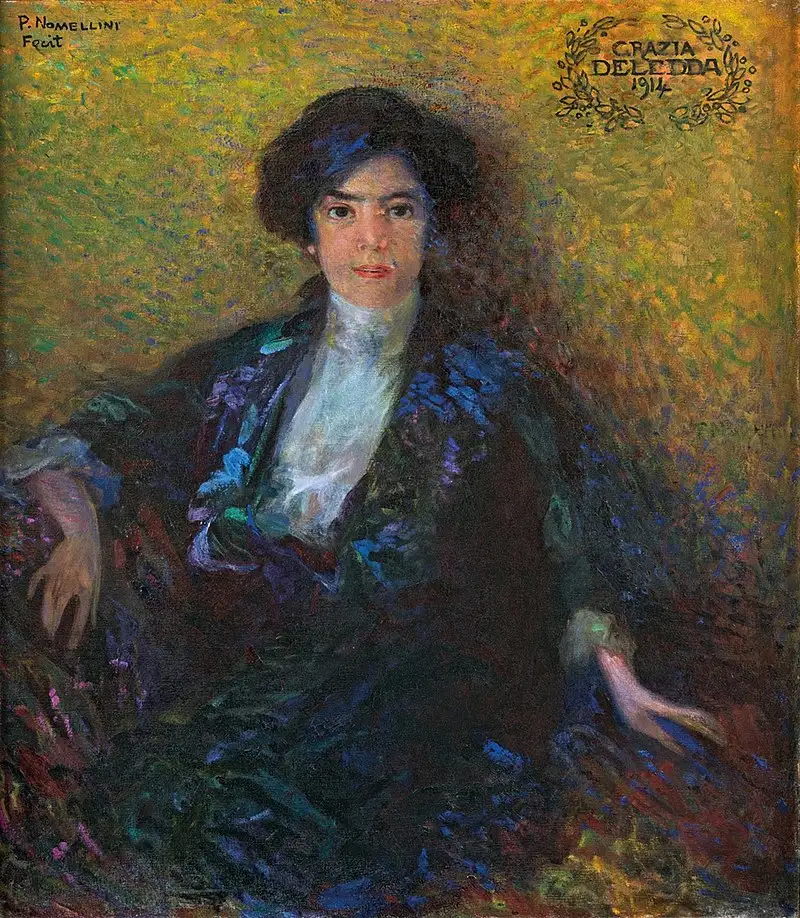
Grazia Deledda was a Sardinian novelist who became the first Italian woman to receive the Nobel Prize in Literature in 1926. Born in Nuoro, her works often depicted the harsh realities of life in her native region. Her most famous novels, such as “Reeds in the Wind” and “Ashes,” are known for their vivid portrayal of Sardinian culture and landscapes. Deledda’s writing is deeply rooted in her personal experiences and observations, offering a unique insight into the struggles and resilience of the Sardinian people.
Tina Modotti (1896–1942)
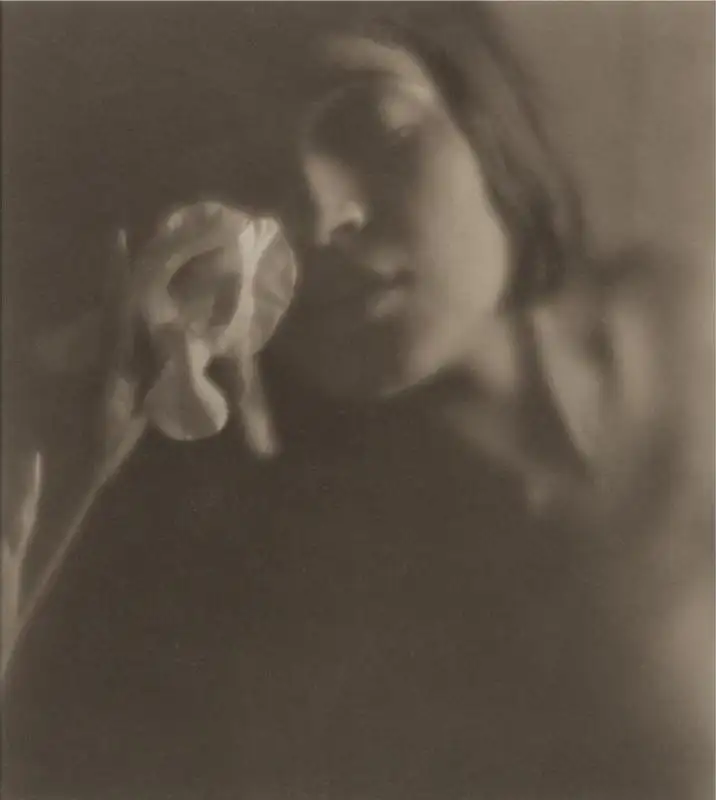
Tina Modotti, born in Udine, worked as a photographer, model, actor, and political activist. Following her immigration to the US, she was involved in Mexico’s creative and political avant-garde, where she met and collaborated with renowned photographer Edward Weston. The strong social commentary seen in Modotti’s early 20th-century photographs captures the hardships and daily lives of the Mexican people. She was deported from Mexico in 1930 as a result of her activities and membership in the Mexican Communist Party. Even though Modotti didn’t live long, her contributions to political art and photography are still significant.
Anna Magnani (1908–1973)
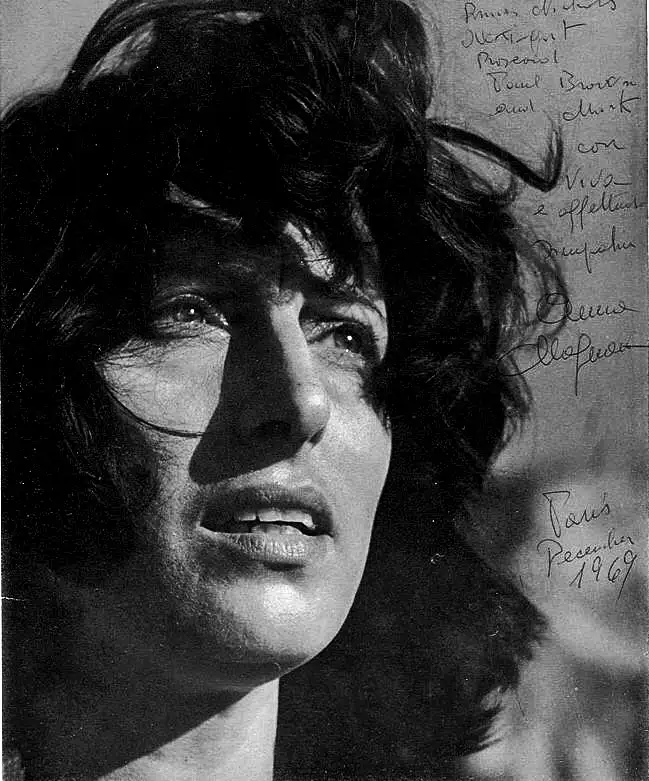
Anna Magnani was a celebrated Italian actress known for her powerful performances in neorealist films. Born in Rome, Magnani rose to fame with her role in Roberto Rossellini’s “Roma, città aperta” (Rome, Open City), a landmark film of Italian neorealism. Her portrayal of a desperate mother during the Nazi occupation of Rome earned her international acclaim. Magnani won an Academy Award for Best Actress for her role in “The Rose Tattoo,” becoming one of the few non-English speaking actresses to achieve such recognition. Her intense and passionate performances have left a lasting impact on Italian cinema.
Rita Levi-Montalcini (1909–2012)
Rita Levi-Montalcini, a neurobiologist, was awarded the Nobel Prize in Physiology or Medicine in 1986 for her discovery of nerve growth factor. Levi-Montalcini, born in Turin, had enormous hurdles as a Jewish woman due to Fascist-era racial restrictions that limited her scholastic and professional chances. Despite these hurdles, she continued her study in a makeshift laboratory at home. Her revolutionary research on cell development and differentiation has had a significant influence on medical science, notably the understanding of neurodegenerative illnesses.
Natalia Ginzburg (1916–1991)
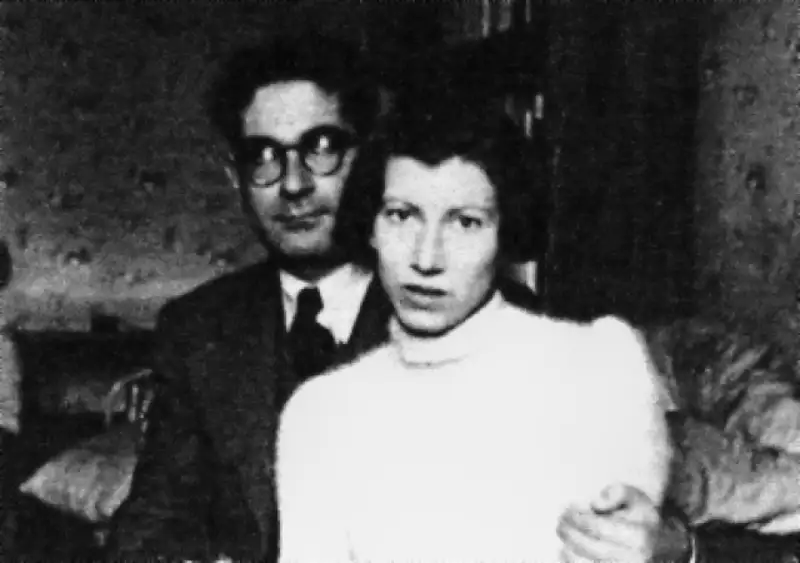
Writer and scholar Natalia Ginzburg frequently addressed family, politics, and societal concerns in her writing. She was married to anti-Fascist activist Leone Ginzburg and was a member of the literary circle around the publishing firm Einaudi. She was born in Palermo. Among her significant pieces are “All Our Yesterdays” and “Family Sayings,” which was awarded the 1963 Strega Prize. Ginzburg is one of the most significant Italian writers of the 20th century because of her work, which is distinguished by its humor, lucidity, and astute observation of interpersonal interactions.
Anna Castelli Ferrieri (1918–2006)
Anna Castelli Ferrieri was a co-founder of the design firm Kartell as well as an architect and industrial designer. She was one of the first women to earn an architectural degree from Politecnico di Milano, where she was born. Ferrieri’s designs have become recognizable in the field of modern furniture, and her work is renowned for its inventive use of materials, especially plastics. Her contributions to industrial design have garnered her several honors, and her modernist style and elegant functionality are still praised in her creations.
Cini Boeri (1924–2020)
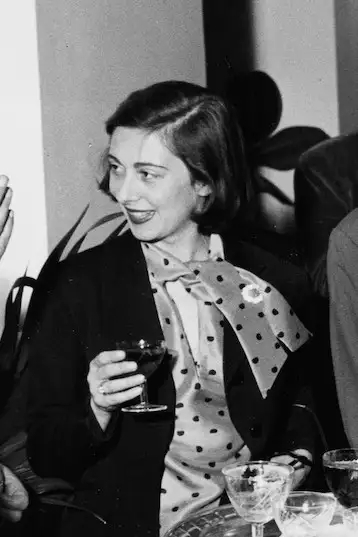
Cini Boeri, an architect and designer, made significant contributions to residential architecture and furniture design. Born in Milan, she studied architecture at the Politecnico di Milano and worked with the influential Gio Ponti before establishing her own practice. Her work is distinguished by its focus on functionality, simplicity, and human comfort. Notable projects include the open-plan Casa Bunker in Sardinia and the modular Strips sofa. Boeri’s achievements in architecture and design have been acknowledged with numerous awards throughout her career.
Gae Aulenti (1927–2012)
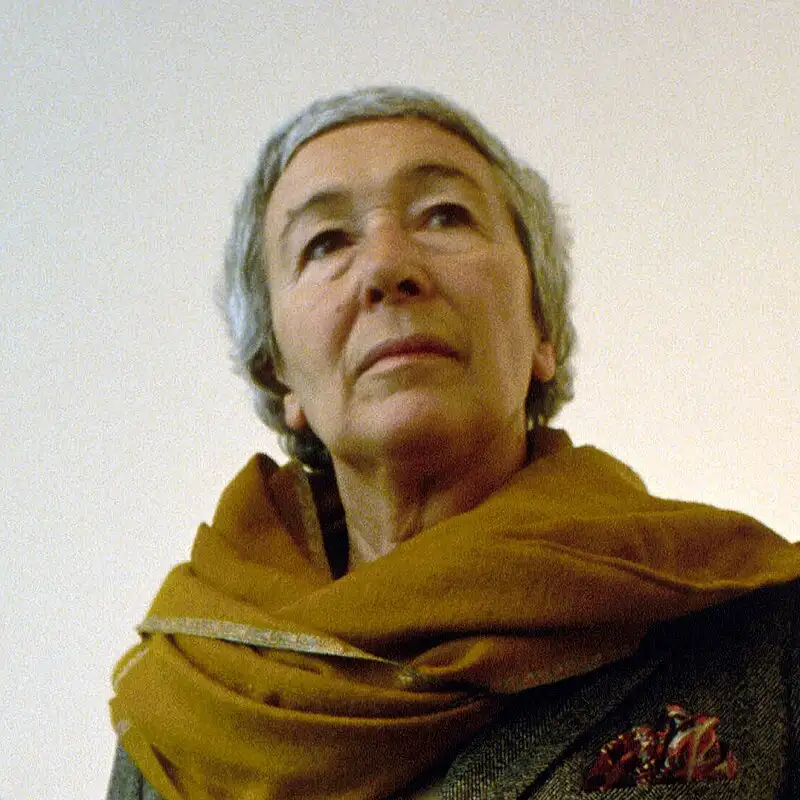
Gae Aulenti, a pioneering architect and designer, gained international acclaim for her transformative projects. Born in Palazzolo dello Stella, her notable works include converting the Gare d’Orsay railway station into the Musée d’Orsay in Paris and renovating the Palazzo Grassi in Venice. Her architectural style merges historical context with modernist elements, creating spaces that are both functional and aesthetically striking. Throughout her career, Aulenti received numerous accolades for her contributions to architecture and design.
Monica Vitti (1931–2022)
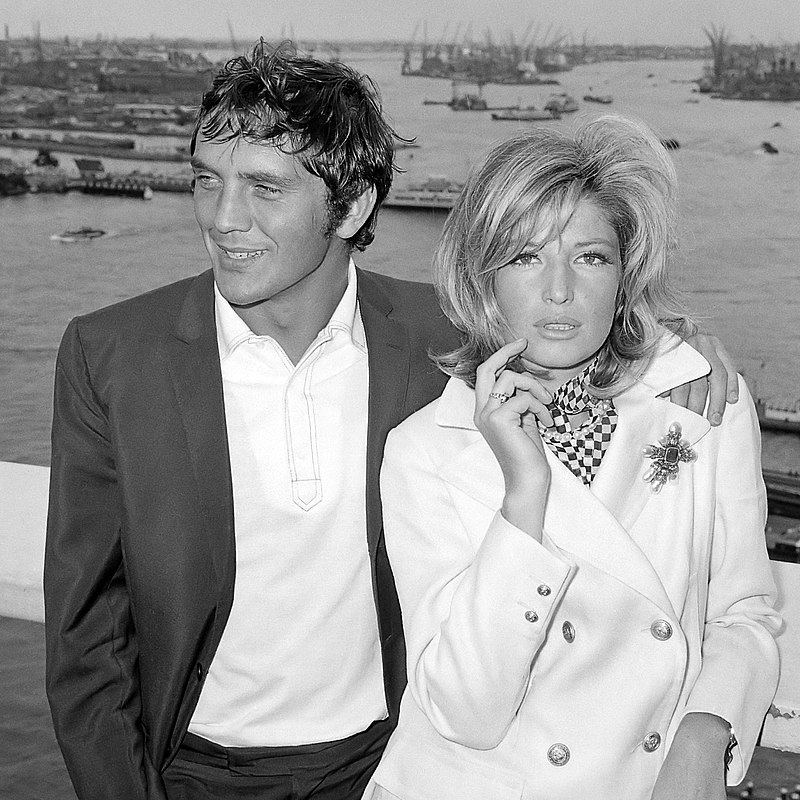
Monica Vitti was an actress who became a key figure in Italian cinema during the 1960s. Born in Rome, Vitti gained prominence for her roles in Michelangelo Antonioni’s films, including “L’Avventura,” “La Notte,” and “L’Eclisse.” Her performances in these films are noted for their complexity and emotional depth, often portraying characters struggling with existential crises. Vitti later transitioned to comedy, showcasing her versatility as an actress. Her work in both dramatic and comedic roles has made her one of the most celebrated actresses in Italian film history.
Letizia Battaglia (1935–2022)
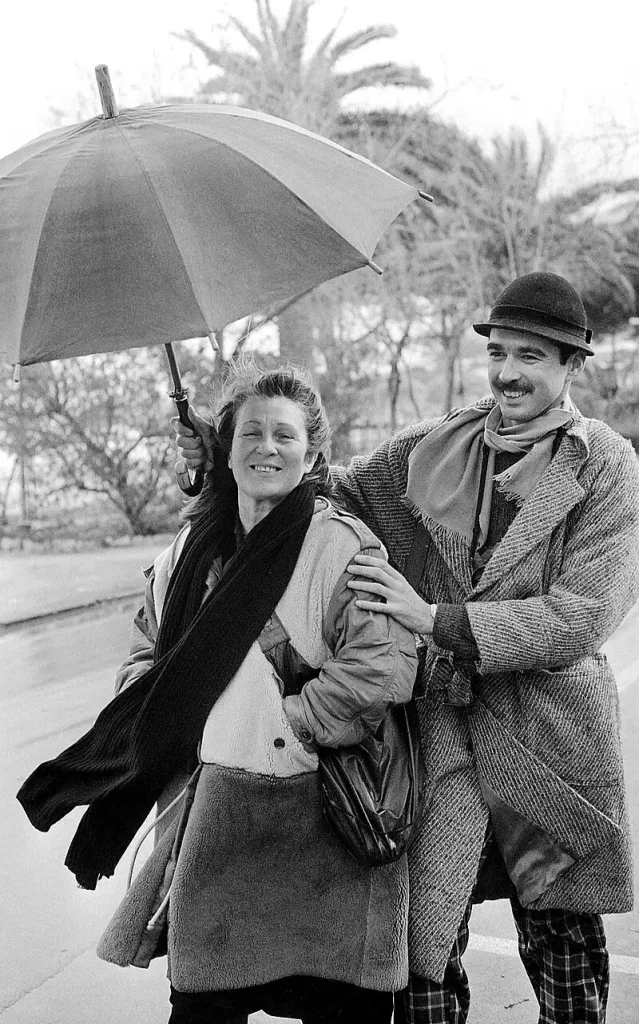
Letizia Battaglia, a pioneering photojournalist, achieved recognition for her work documenting the Sicilian Mafia. Born in Palermo, her powerful images exposed the violence and corruption associated with Mafia influence in Sicily. As one of Italy’s first female photojournalists, Battaglia’s work drew international attention to the Mafia’s impact on Sicilian society. Her photography is noted for its stark realism and fearless portrayal of the harsh realities faced by her community. Battaglia’s contributions to photojournalism have been honored with numerous awards and exhibitions around the world.
Carla Fracci (1936–2021)
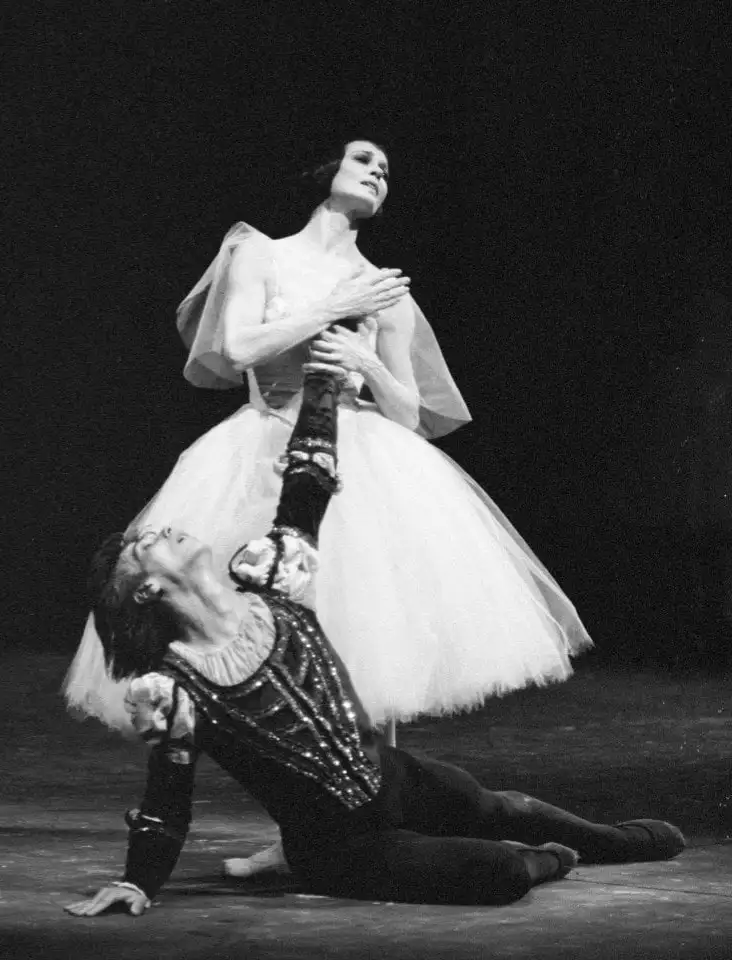
Carla Fracci, a prima ballerina with La Scala Theatre Ballet, performed with numerous international companies during her career. Born in Milan, she trained at the La Scala Theatre Ballet School and swiftly rose to prominence for her technical skill and expressive performances. Fracci danced with some of the world’s most renowned ballet companies, including the Royal Ballet, the Stuttgart Ballet, and the American Ballet Theatre. Her interpretations of classical roles, such as Giselle and Juliet, are particularly celebrated for their emotional depth and technical precision.
Raffaella Carrà (1943–2021)
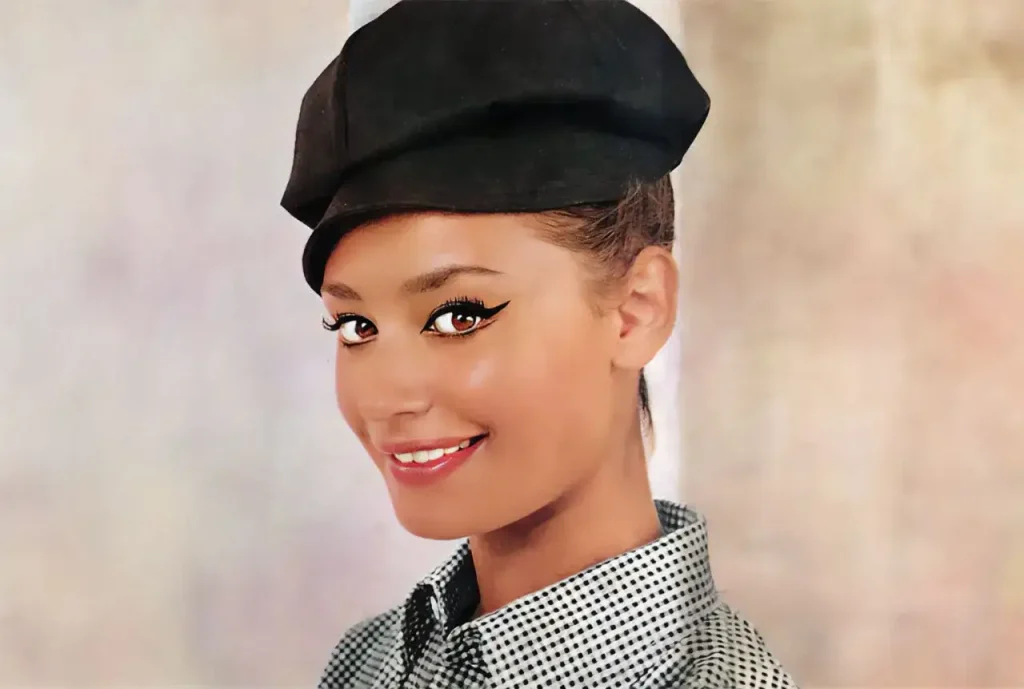
Raffaella Carrà, an entertainer and television personality, was a prominent figure in Italian and international entertainment. Born in Bologna, Carrà gained fame as a singer, dancer, actress, and TV host. She is best known for her hit songs, such as “Tuca Tuca” and “A far l’amore comincia tu,” and for hosting popular television shows like “Pronto, Raffaella?” and “Carràmba! Che sorpresa.” Carrà was celebrated for her charismatic stage presence and innovative contributions to music and television. She was also a significant supporter of the LGBT movement, using her influence to advocate for LGBT rights and inclusion. Her career, spanning several decades, left a lasting impact on the entertainment industry, making her an iconic figure in popular culture.
Emma Bonino (b. 1948)
Emma Bonino, a politician and human rights activist, has been a prominent figure in Italian and European politics for several decades. Born in Bra, she co-founded the Radical Party and has held various political positions, including Minister of Foreign Affairs and Member of the European Parliament. Bonino is recognized for her advocacy on issues such as women’s rights, civil liberties, and humanitarian aid. Her efforts to promote human rights and democracy have garnered her international recognition and respect.
Franca Sozzani (1950–2016)
Franca Sozzani, the influential editor-in-chief of Vogue Italia, held the position from 1988 until her death in 2016. Born in Mantua, she transformed Vogue Italia into a publication renowned for its bold editorial choices and its engagement with social and political issues through fashion. Sozzani championed diversity and inclusivity in the fashion industry, frequently using her platform to highlight underrepresented voices and address controversial topics. Her innovative approach to fashion journalism has left a lasting legacy, influencing magazines and editors globally.
Ilaria Alpi (1961–1994)
Ilaria Alpi was a journalist who was assassinated while reporting on illegal arms trafficking and toxic waste dumping in Somalia. Born in Rome, she worked for the Italian public broadcasting company RAI. Alpi’s investigative work brought attention to issues of corruption and environmental crime, and her death highlighted the dangers faced by journalists working in conflict zones. Her legacy continues to inspire efforts to protect press freedom and to seek justice for crimes against journalists.
Samantha Cristoforetti (b. 1977)
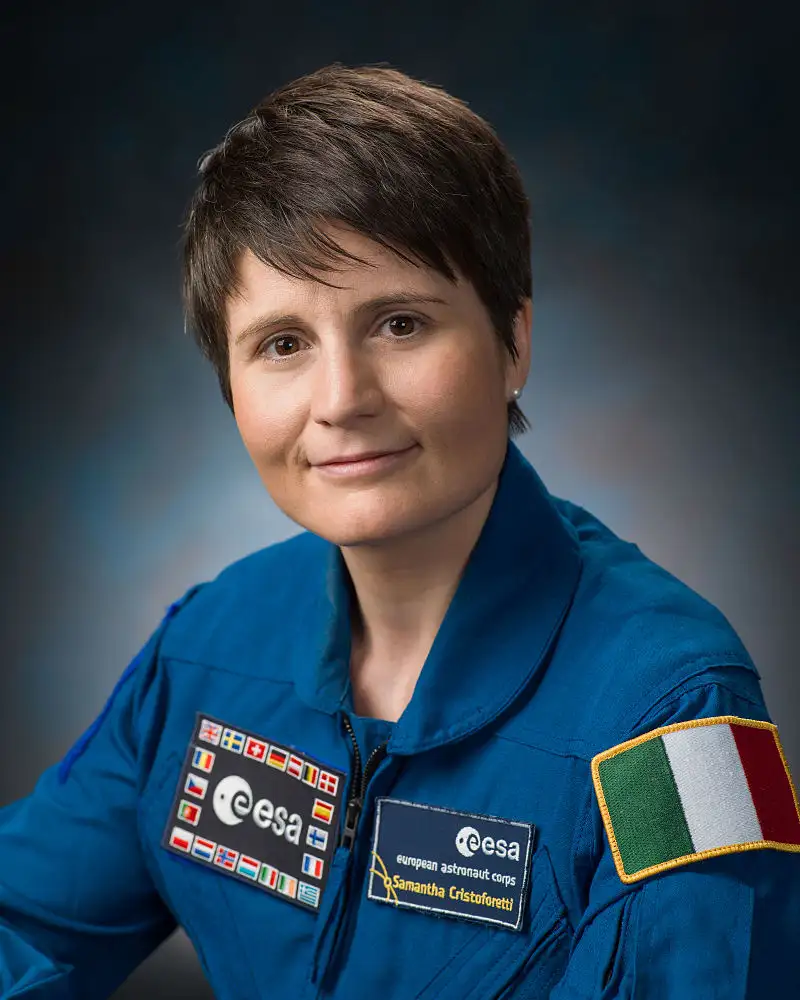
Samantha Cristoforetti, an astronaut and engineer, was the first Italian woman in space. Born in Milan, Cristoforetti joined the European Space Agency (ESA) in 2009 and completed her first mission to the International Space Station (ISS) in 2014. She holds the record for the longest uninterrupted spaceflight by a European astronaut, spending nearly 200 days in space. Cristoforetti’s contributions to space exploration include conducting scientific research aboard the ISS and promoting STEM education, inspiring future generations of scientists and engineers.

Weird Italy, Guide to Unusual & Amazing Places to see in Italy. Italy’s news in English: Art, History & Facts