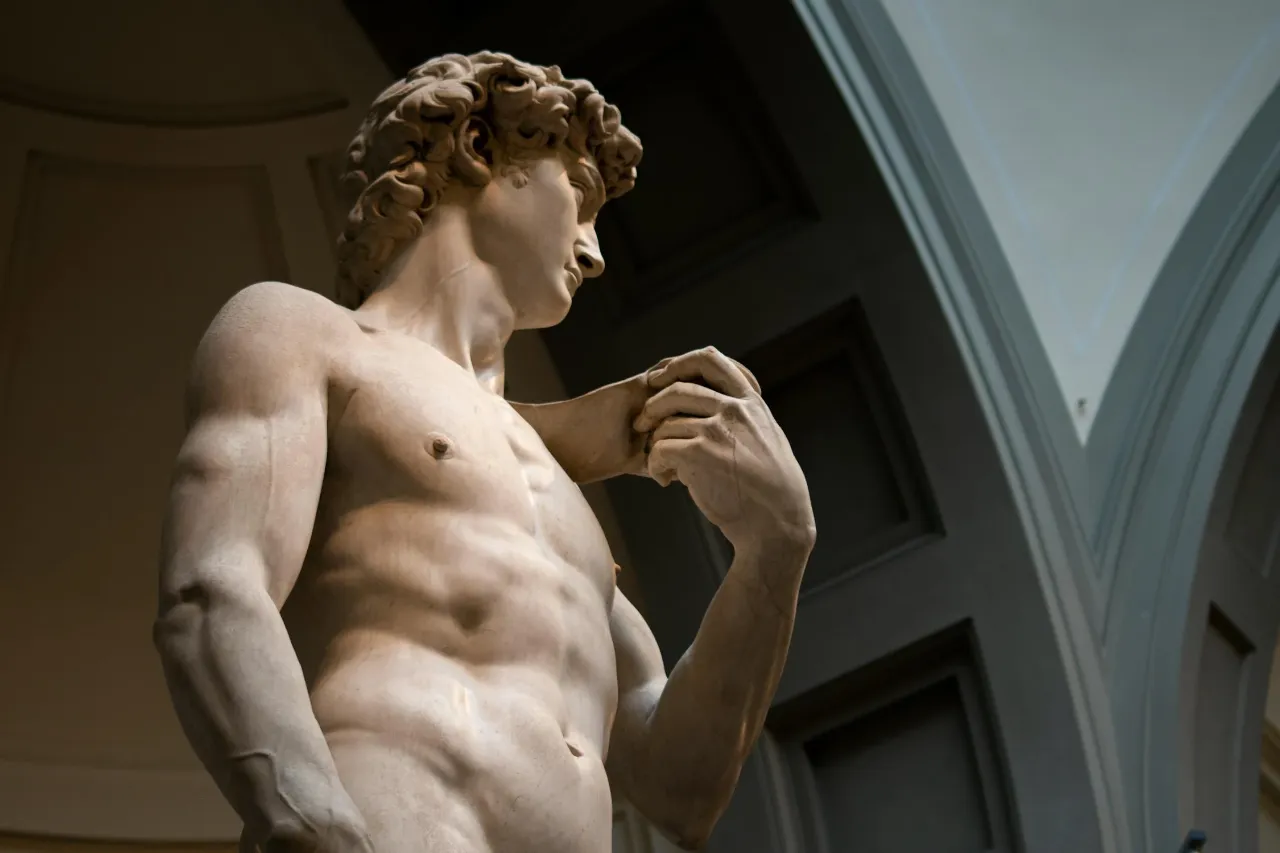
Italy has always had a certain confidence about beauty. Not loud. More like: “I know what works, I do it, I move on.” You see it in the way people dress for a quick espresso. The way skincare sits on a bathroom shelf next to perfume and a simple hairbrush. The way older women still care about posture and hands, not only faces.
Beauty here never felt like a brand-new obsession. More like a long habit. Passed down. Tweaked. Protected.
So if you trace Italian aesthetics across time, you do not get one straight line. You get layers. Rituals, shortcuts, quiet rules, sudden rebellions. Some of it is practical. Some of it is pure theatre. All of it tells you something about how Italians think about appearance: as identity, social language, and self-respect.
Ancient Italy: beauty as status, habit, and ritual
Ancient beauty was not “self-care” the way people talk now. It was closer to social order. You looked a certain way because your role demanded it, and because everyone could read you through that.
Roman daily life had routines that sound familiar. Bathing culture. Oils. Scent. Hair removal. Skin scraping. Small grooming habits that added up.
Yet the bigger point sits underneath: appearance signaled discipline. Control. Civilization. Even morality, depending on the era and who was judging.
Beauty also had a public side. Baths were social. Hairstyles were coded. Jewelry spoke. Clothes spoke louder. People noticed everything, and they were not shy about it.
Renaissance: the face becomes art, and beauty gets curated
Renaissance Italy did something interesting: it turned beauty into a kind of official aesthetic language. Portraits. Frescoes. Sculpture. Bodies and faces presented as ideals, but still human enough to feel close.
Skin in paintings often looks luminous, calm, untouched by stress. That “ideal” was not only about attractiveness. It was about purity, wealth, health, fertility, class. A whole story in one face.
At the same time, real life still ran on practical grooming: fragrant waters, herbal washes, powders, carefully styled hair. People did not call it “a routine.” It was simply what you did.
The shift here is subtle but important: beauty became something you could shape with intention. Not only inherit.
The Italian instinct for “bella figura”
At some point, “bella figura” stops being a phrase and becomes a reflex. The idea goes deeper than clothes. It means presenting yourself well. Standing well. Speaking well. Acting with a certain grace, even on a bad day.
That mindset affects beauty in a very specific way. Extreme looks can feel off. Overdone can feel insecure. The goal is often harmony: skin, hair, style, expression. Nothing screaming for attention.
And yes, this can be pressure. No romanticizing it. Yet it also creates a strong baseline: effort matters, but the effort should look effortless.
Modern Italy: the quiet blend of old-school grooming and clinical options
Modern Italian aesthetics sit in a realistic place. People still love rituals: good skincare, good fragrance, good hair appointments. Clinics and med-spa style treatments exist too, and they fit into the culture when they stay tasteful.
Many people want a refreshed version of themselves, not a new face. Subtle softening. Hydration. Better texture. A rested look. That preference shapes what becomes popular, what becomes accepted, what stays private.
Social media plays a role, sure. Yet Italy tends to filter trends through its own lens. If a look clashes with local taste, it rarely sticks long.
Where modern aesthetics gets serious: safety, sourcing, and standards
Modern cosmetic treatments can be simple, yet the systems behind them are not. Product quality, storage, traceability, clinician technique, aftercare, documentation. Each piece matters.
And this is where people make mistakes, especially when they treat aesthetic products like ordinary retail goods.
Authenticity and handling sit at the center of patient safety. Reputable clinics obsess over batch numbers, supplier paperwork, correct storage, and controlled logistics. Not because it sounds professional. Because the risks are real when those details slip.
The clinic side of aesthetics is not glamorous. It is a system. Checklists. Training. Audit trails. The boring stuff that prevents problems.
If you are researching options and trying to understand what reputable sourcing looks like in practice, this is the kind of reference point people use when they want to purhase Belotero: not as a casual shopping moment, but as part of a controlled clinical supply mindset where verification, provenance, and proper handling matter.
The emotional core: why Italians keep circling back to “natural”
Italy has a long relationship with art, faces, and aging. That creates a certain honesty. People notice work. People talk. Sometimes kindly, sometimes not.
So a lot of the modern approach becomes: keep your face recognizable. Keep moving. Keep expression. Fix what bothers you, then stop. Let the rest live.
That does not mean people avoid treatments. It means they often want results that blend into the person’s overall look, instead of becoming the look.
There’s also a practical angle. Italians tend to prioritize consistent maintenance over dramatic swings. Skincare year-round. Hair done regularly. Teeth looked after. A simple wardrobe that fits well. Beauty as rhythm, not reinvention.
The role of skincare, fragrance, and hair: the Italian “trifecta”
If you tried to summarize Italian everyday beauty, it often sits in three places:
- Skin: steady care, texture, glow, and protection habits that people stick with
- Scent: perfume as identity, not an accessory
- Hair: the quickest signal of polish, even with minimal makeup
Those three create an instant impression. No heavy transformation needed. No trend-chasing required.
And this matters when you think about aesthetic treatments too. Procedures tend to work best when they support that foundation. Skin quality first. Then anything else, if needed.
Beauty across ages: different decades, same underlying logic
Italy treats each life stage differently. Teen beauty feels playful. Twenties can be experimental. Thirties often go more refined. Forties and beyond can split into two camps: “I do what makes me feel good” and “I do nothing and I own it.” Plenty of overlap, of course.
Yet a common thread stays present: beauty is allowed to mature. People might correct a few things, but they rarely aim to freeze time completely.
There’s also a social realism. Faces carry stories. Expression lines can be part of charm. The goal becomes looking well, not looking younger at any cost.
What Italian beauty history teaches modern aesthetics
Ancient ritual, Renaissance idealism, modern clinical options. Different worlds, yet the same pressure point keeps coming back: intention.
Beauty tends to work best when it has a reason. A point of view. A sense of self behind it.
So the “Italian lesson” is not a product tip or a trend forecast. It’s more personal than that:
Choose what fits your face, your lifestyle, your comfort level. Keep it consistent. Keep it honest. Make sure the systems behind any treatment are solid. Then move on with your day.
Because that’s the real Italian beauty flex: you look good, and you still have a life to live.
Featured image: Fabio Mariano, Pexels
