Italy has a way of shaping beauty without shouting about it. You notice it in the details: the cut of a jacket, the pace of a skincare routine, the confidence in doing less. It’s not one single “Italian look” either. It’s a timeline of attitudes. Some loud. Some quiet. All influential.
So let’s walk it. Not like a textbook. More like connecting dots across art, cinema, fashion, and the modern treatment room. Because a lot of what we call “beauty standards” today didn’t appear overnight. They got built, argued with, softened, rebranded. Then copied.
The Renaissance: when beauty became a language
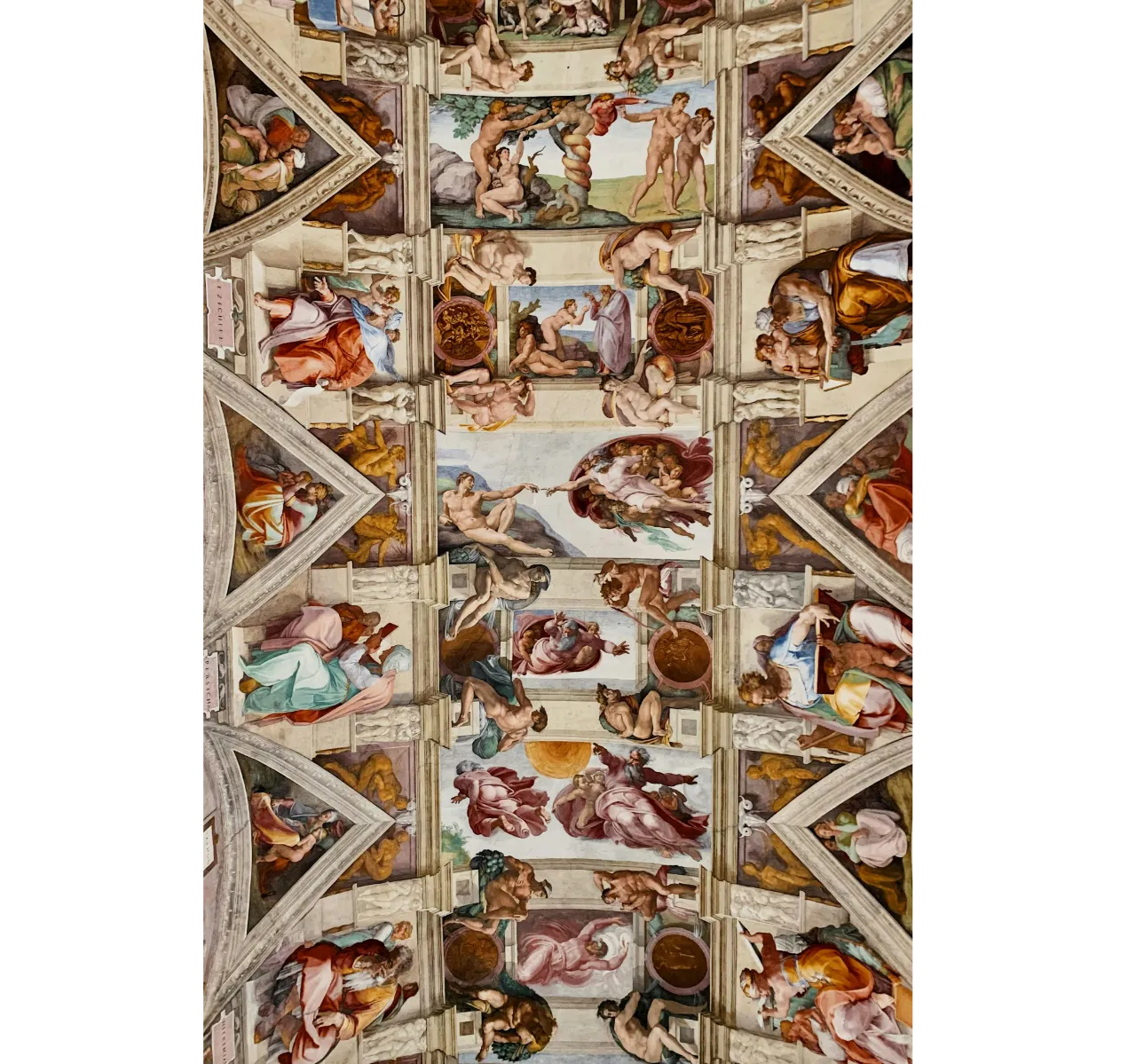
Renaissance Italy didn’t just paint faces. It assigned meaning to them.
Soft skin in portraits. Balanced proportions. Calm expressions. Hair styled like it had a plan. Beauty wasn’t only decorative. It was status, morality, health, taste. A message.
That era also planted a habit that still shows up today: the idea that beauty can be designed. Studied. Practiced. Improved with technique.
Not hype. Technique.
The courts and the craft of “polished”
Fast-forward: Italian courts, aristocracy, and city-states turned appearance into a daily discipline.
Perfumes. Powders. Gloves. Hair rituals. Wardrobes built like armor. Beauty became something you managed, not something you “had.” And once it becomes management, it becomes learnable. Shareable. Monetizable.
That matters because it’s the same mental frame that powers modern beauty culture:
- routines
- appointments
- maintenance
- results you can repeat
Different tools, same human instinct.
Cinema: Italy teaches the world how “effortless” looks
Then the cinema arrives and changes everything. Italian films don’t only show faces. It sells moods.
The post-war era, then the glamorous decades: actresses who looked soft but strong, sensual but composed. Hair that looked touchable. Makeup that looked like it belonged on the skin, not on top of it. Beauty that felt lived-in.
This is where “natural” starts to become a style, not just an absence of makeup.
And here’s the trick: “natural” often takes work. Lighting. angles. hair styling. good skin. good sleep, if you’re lucky. Sometimes, professional help.
Italy helped normalize the idea that beauty can be crafted while still appearing casual.
Fashion houses: the face becomes part of the outfit
Italian fashion didn’t just sell clothes. It sold a silhouette and a lifestyle.
Runways shaped expectations for cheekbones, brows, lips, jawlines. Editorial looks made minimal makeup feel expensive. Glossy hair became a signal. Even skincare started to behave like fashion: seasonal, aspirational, identity-driven.
At some point, the face stopped being separate from the wardrobe. It became part of the styling.
A coat and a hairstyle. A dress and a glow. Shoes and a lip line. All one message.
The modern era: treatments shift from taboo to routine
Somewhere between late 90s luxury culture and the current social-media mirror, the conversation changed. People began treating aesthetic procedures like hair appointments. Quietly at first. Then openly. Then casually.
And Italy, with its long relationship with craft and appearance, fits naturally into that shift. Because the core logic stays familiar:
- skill matters
- taste matters
- subtle results are usually the hardest
This is also where education starts to matter more than marketing. Because once procedures become common, the public starts noticing the difference between “done” and “well done.”
A key turning point: the professionalization of training
This is the part that doesn’t get enough attention in beauty timelines. Everybody talks about trends. Few talk about the systems behind them.
As aesthetic treatments grew, training had to change too. More structure. More safety. Better judgment. Less guesswork. Less copying what you saw online.
That shift is still happening now, just with new formats. Online education, hybrid learning, recorded modules, guided practice.
And that’s why dermal filler training online has become such a central phrase in the modern beauty world: not as a trend, but as a response. Demand rises, expectations rise, and the bar for competent work rises with it.
Online training in aesthetic procedures can be genuinely useful when it’s built around real clinical thinking: anatomy that sticks, complication awareness that feels practical, decision-making that goes beyond “where to inject,” and case examples that show messy reality, not perfect marketing results. The strongest programs make learners slow down. They stress assessment, contraindications, dosing logic, product behavior, documentation, aftercare, and what to do when a patient’s plan needs a “no” instead of a “yes.” That’s the difference between collecting a certificate and building a safe, repeatable skill.
The “Italian preference” that keeps coming back: restraint
If you track the strongest Italian beauty influence across decades, it often returns to one theme: restraint.
Not plain. Not boring. Restraint with intention.
That shows up everywhere:
- skincare that focuses on consistency
- makeup that follows face structure
- hair that looks healthy more than complicated
- aesthetic work that aims for harmony, not shock value
People say they want “natural.” What they usually mean is: nothing looks out of place.
Social media: the timeline gets noisy
Then the algorithm arrives and messes with everything.
Beauty becomes fast. Visual. Repetitive. The same face template travels across borders and apps. Filters blur the line between “style” and “biology.” And suddenly, the pressure isn’t only to look good. It’s to look the same kind of good as everyone else.
Italy’s influence here is interesting because it pushes back. Not always, not perfectly. But you still see that counter-current: personal style, individuality, texture, age that isn’t airbrushed out of existence.
Even when people do treatments, the goal often shifts toward “refreshed” rather than “changed.”
The new luxury: skin that looks calm
Another shift: luxury is moving away from heavy transformation and toward calm skin.
Less cakey coverage. More attention to tone, hydration, and barrier health. People want the face to look like it sleeps well. Like it’s not fighting itself.
You can connect this directly to Italy’s long-standing beauty instincts: quality materials, good tailoring, care for basics. The same mindset, applied to skin.
Small moments that changed everything
Here’s a quick set of “timeline pivots” that quietly shaped modern beauty. Not exhaustive. Just the ones that echo the loudest.
- Renaissance portrait standards: balance, softness, symbolism
- Court culture grooming: daily polish becomes normal
- Film glamour: sensuality paired with composure
- Fashion globalization: the face becomes part of the brand image
- Aesthetic clinics going mainstream: maintenance replaces secrecy
- Training systems improving: technique and safety get formal
- Algorithm culture: one template face spreads fast
- Return to restraint: personal taste matters again
Where Italy’s beauty timeline is heading
If you ask me, the next chapter won’t be about one “new look.” It’ll be about standards behind the scenes.
Better education. More ethics. More clarity on what’s realistic. Better conversations about aging, not just fighting it. And a stronger appreciation for work that looks like nothing happened, because the person still looks like themselves.
Italy helped teach the world that beauty is a craft. That idea isn’t fading. It’s tightening. Getting more serious. Less about trends. More about competence and taste.
Featured image: Ilia Bronskiy, Pexels
