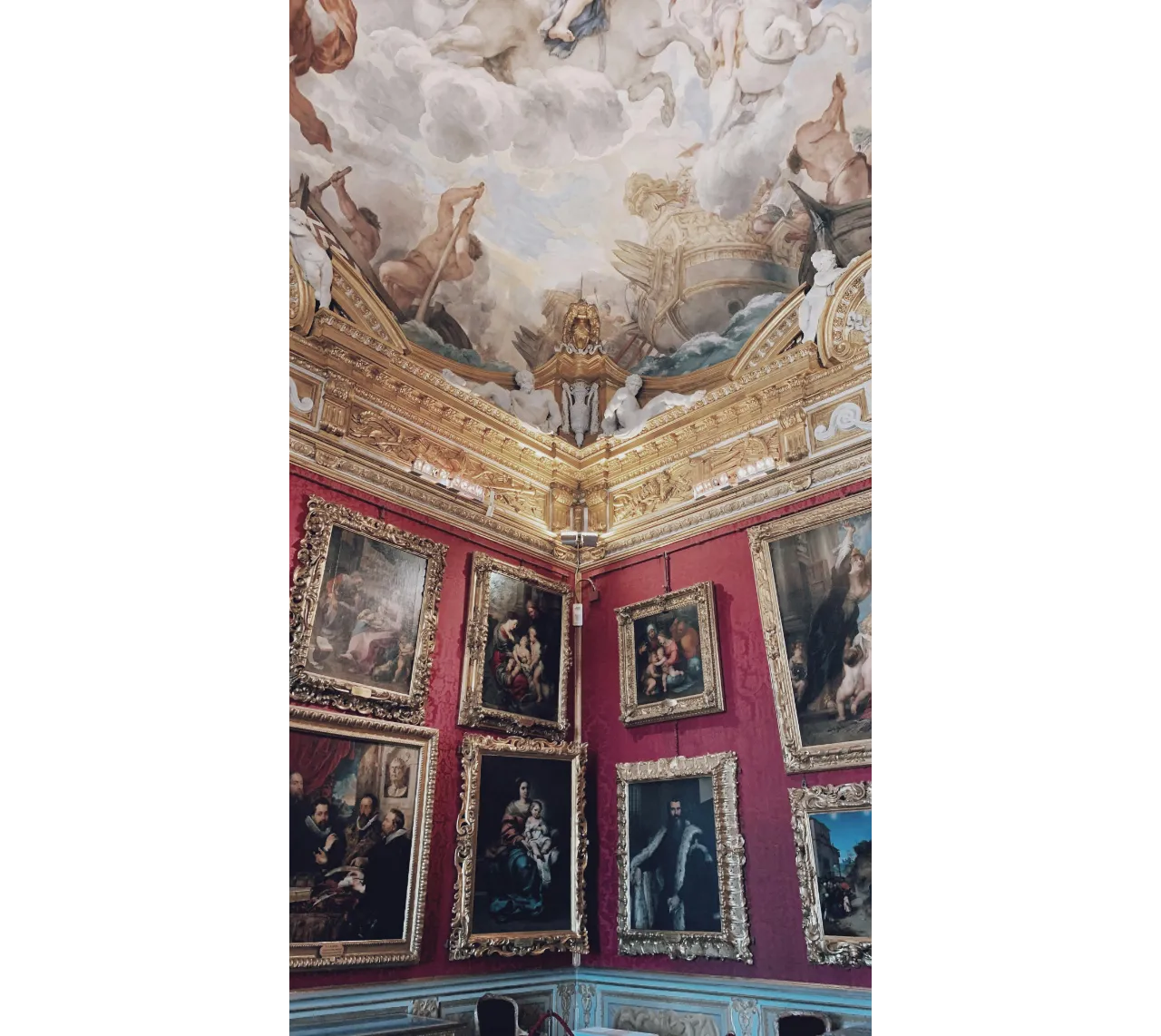
Introduction: Italy never treated beauty as “extra”
Italy has always had this calm confidence about appearance. Not loud. Not frantic. More like a daily language: how you dress for coffee, how you stand in a doorway, how you touch your face when you talk. Beauty there rarely feels like a single decision. It feels like a chain of small ones.
And that’s the part people miss when they reduce Italian beauty to “good genes” or “Mediterranean vibes.” It’s culture. Repetition. Social cues. Aesthetic standards that live in streets, churches, films, pharmacies, and family kitchens. Skin, style, self-care: all tied to identity and place.
So if we’re talking about beauty in Italy, we’re not talking about a product list. We’re talking about habits, symbols, and a long history of caring how you show up.
Renaissance roots: beauty as art, not just appearance
Start in the Renaissance and you get the blueprint: beauty as a form of order. Proportion. Harmony. A face or body as something that can reflect ideals, even morality. Portraits weren’t only about “looking good.” They were status, lineage, and discipline. A message.
That mindset still lingers in modern Italy in a quieter way. You see it in tailoring, in restraint, in the idea that one good piece matters more than ten trendy ones. Skin fits into that too. Not obsession, more like maintenance. Keep it healthy. Keep it consistent. Keep it believable.
“Bella figura” is often translated as “making a good impression,” but that’s too flat. It’s more like: your presence is part of your responsibility. How you dress, how you speak, how you move through public space.
That has consequences for beauty culture:
- Looking “put together” becomes normal, not special-occasion behavior
- Grooming turns into daily structure, not a once-a-month fix
- Confidence gets linked to consistency, not perfection
People sometimes interpret that as vanity. It’s not always that. Sometimes it’s respect. For others, for the moment, for yourself.
Postwar Italy and cinema: skin as storytelling
Then the films arrive. The postwar decades and the rise of Italian cinema put faces on screens in a way that made beauty feel emotional. Sophia Loren wasn’t only glamorous. She looked alive. Monica Vitti wasn’t only stylish. She looked complicated. Italian beauty icons were rarely “blank.” Their faces carried narrative.
That matters because it shaped what “beautiful” could mean. Not just smooth skin. Expression. Character. A sense that you’ve lived. This is one reason Italian beauty culture can feel more forgiving than expected. You can be polished and still look human.
The pharmacy, the perfumery, and the ritual of practical care
One very Italian detail: the role of the pharmacy. The “farmacia” is not just a place for prescriptions. It’s often where people ask questions about skin, hair, irritation, and maintenance. Practical care sits close to beauty care. That blend makes self-care feel grounded.
Perfume culture fits here too. Fragrance in Italy often reads as identity, not decoration. A signature scent becomes part of how you’re remembered. Skin and scent, together. Quiet but intentional.
Food, sun, and the reality of skin
Italy romanticizes sunlight and outdoor life, then deals with the consequences like everyone else. Sun exposure, pigmentation, dehydration, texture changes. You’ll find a lot of everyday wisdom around this, sometimes more than formal “skincare talk.”
Not everyone uses ten steps. Many people rely on a few basics, done regularly. Clean skin. Moisture. Protection when they actually commit to it. The routine isn’t always complicated, but it’s rarely random.
Modern Italy: clinical self-care enters the chat
Now we’re in a different era. Aesthetic clinics are normal. Preventive treatments are common. People want small adjustments that don’t announce themselves. That matches Italian taste: visible effort is often less admired than visible ease.
This is also where body-focused treatments become part of the conversation. Not in a dramatic way. More like: “This area bothers me, I’d like to handle it.” The under-chin area is one of those zones. Genetics, weight shifts, posture, aging: all can show up there. And it can mess with how people read your face from the side or in photos.
If you’re researching clinical options for that specific area, you’d like to reach out to reliable supplier and purchase Belkyra online.
Here’s the important part, and it’s bigger than any single product page: treatments that involve prescription-only injectables are not casual shopping items. Authenticity, correct storage, and clinician-led assessment matter. A lot. This category sits in the “do it properly or don’t do it” zone. If someone is considering an under-chin treatment that uses deoxycholic acid, the smart move is simple: treat it like healthcare, not like cosmetics. Verify sourcing. Use licensed medical oversight. Ask direct questions. Follow the rules where you live.
Why the under-chin area feels so personal
This is a small area, but it carries a weird amount of emotional weight. It changes the outline of the face. It can make someone feel “heavier” than they are. It often shows up in photos taken from slightly below, which is basically every casual phone photo.
And because it’s not always solved by dieting or training, people feel stuck. That’s usually the trigger: not vanity, frustration. “I take care of myself. Why is this still here?”
Italy’s beauty culture tends to treat that frustration with pragmatism. If something bothers you consistently, and you can address it safely, you address it. No drama. No moral lecture.
What Italian-style self-care actually looks like day to day
This is where the cultural piece becomes obvious. The habits are boring, and that’s why they work. Small actions that keep you steady.
A few patterns you see again and again:
- Regular grooming over occasional overhauls
- One or two “hero” products used consistently
- Clothes that fit well, even if they’re simple
- Hair that looks maintained, not “done”
- A preference for skin that looks healthy, not artificial
Nothing magical. Just repetition.
Style and skin: the same philosophy in two forms
Italian style often relies on restraint: fewer pieces, better choices. Skin can follow the same logic. Fewer steps, more consistency. If you want a cultural takeaway, it’s this: Italian beauty is less about chasing and more about maintaining.
And maintaining it is psychological too. It’s a way of staying in a relationship with yourself. Checking in. Noticing. Adjusting.
If you’re considering clinical treatments, ask better questions
No panic. No impulsive decisions. Better questions.
Here are a few that tend to protect people from bad outcomes:
- Who assesses whether I’m a good candidate, and what disqualifies me?
- What are the realistic results for my anatomy, not the “best case” photos?
- What side effects are common, and what’s the plan if they happen?
- How do you confirm authenticity and proper handling of the product?
- What does aftercare look like in the first week, not just the same-day instructions?
Clinical self-care can be part of a healthy approach. It just needs a grown-up mindset.
The real thread through Italian beauty history: self-respect, performed quietly
From Renaissance portraiture to modern clinics, the thread isn’t “perfection.” It’s presentation. Identity. A belief that caring for how you appear can be a form of self-respect.
Italy didn’t invent beauty pressure. It did refine a certain kind of elegance: effort that doesn’t look frantic. Care that doesn’t look loud.
That’s the lesson. Keep it human. Keep it consistent. Keep it yours.
Featured image: Marco Carlotti, Pexels
