Online bingo platforms vary significantly in terms of game types, card designs, rules, and features offered. Before diving in, it’s useful to understand how these platforms manage digital cards and number calls, explain the winning criteria, handle user accounts, and support responsible gaming. Doing so offers better clarity about what the platform entails and what kind of playing experience to expect.
Exploring the Game Selection on Bingo Sites
The variety of bingo game online available represents a core factor in deciding which platform to try. While all games generally involve matching called numbers to complete some winning pattern, formats and rules can differ widely, resulting in varied gameplay styles.
Popular bingo styles typically include 75-ball and 90-ball versions. The 75-ball card generally takes the form of a 5×5 grid, whereas 90-ball bingo uses a ticket with three rows and nine columns, containing 15 numbered positions. Different formats often bring diverse winning conditions and objectives.
When browsing games on an bingo online site, consider the following:
- The range of bingo formats on offer
- Number of cards playable during each round
- Specific rules for each bingo title
- Objectives required to win in each round
- Clarity and accessibility of the winning condition explanations
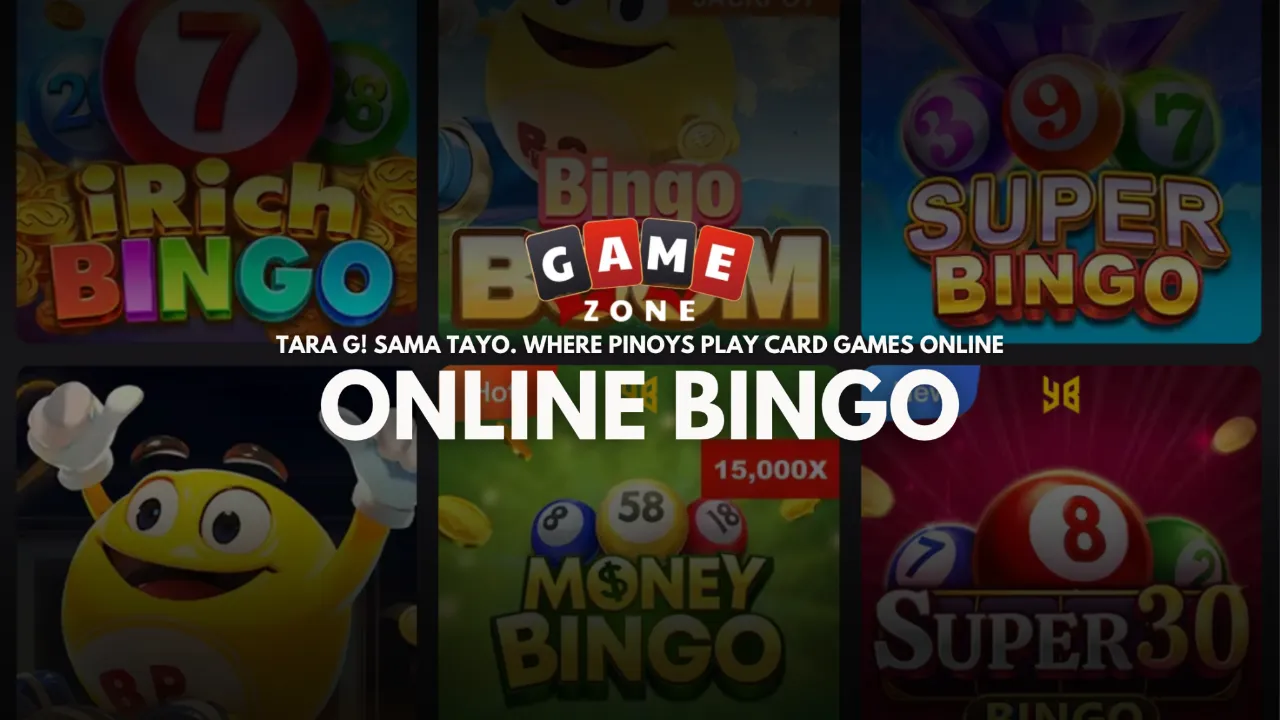
For instance, platforms like GameZone feature a dedicated Bingo section with multiple varied titles, such as “PacMan’s Bingo Boom” and “Bingo Boom,” plus titles from other developers. Since different games can implement distinct mechanics and rule sets, reviewing details for individual games proves more beneficial than assuming uniformity across all bingo offerings. Ultimately, the quantity of games matters less than how comprehensively the platform explains each one’s rules and format.
Presentation and Management of Cards, Numbers, and Features
Card and number presentation in the digital space plays a crucial role in user experience. Where physical cards are replaced by on-screen interfaces, the clarity of card layouts, number displays, and progress tracking impacts gameplay enjoyment.
Details to look into include:
- Card layout and arrangement of numbers and blank spaces
- Quantity of cards allowed per round
- Whether number marking happens automatically or manually
- Display style of current and past called numbers
- Information relayed during rounds, such as status updates or alerts
Many platforms provide automated marking, reducing manual tracking, while others require the player to actively mark numbers. For games accommodating multiple cards, clear management tools aid in following which cards have matched numbers and which remain in play, streamlining the overall gaming process.
Understanding Rules and Winning Patterns
Easy access to detailed rules before starting a bingo round is vital, especially because digital bingo titles do not always follow traditional rules. Familiarity with standard bingo does not guarantee the same winning conditions apply to every online game.
Winning patterns can vary greatly—horizontal or vertical lines, diagonals, four corners, particular shapes, or full coverage may all serve as winning criteria depending on the game. Investigating the specific winning objectives and how the system identifies wins is essential prior to playing.
Important aspects to clarify include:
- Exact winning patterns required
- Methods for visually identifying those patterns
- The official endpoint of each round
- How winning claims are confirmed by the system
- Procedures if multiple players achieve a win simultaneously
Automated mechanisms often handle recognition and validation of winners; however, these processes differ across platforms and games. Consulting the rules specific to each title removes confusion and avoids incorrect assumptions.
Key Platform Considerations Beyond the Games
Assessing the game library is just one element of evaluating online bingo sites. Fundamental platform information paints a bigger picture of the user journey, requirements, and trustworthiness.
Points to verify include:
- Age limits set for users
- Procedures for account registration and user verification
- Background and identity of the operating company or brand
- Terms of service and privacy policy transparency
- Availability and quality of customer support
- Licensing and regulatory compliance where relevant
Trusted platforms usually publish such details clearly on official website pages or through accessible regulatory sources. For example, terms may specify a minimum player age of 21 and detail registration steps, including identity checks. Login pages might prompt users to confirm age eligibility upfront.
Reviewing these criteria independently of the game specifics helps frame an informed perspective on the platform itself before engaging with its games.
Availability of Responsible Gaming Controls
The presence of responsible gaming features is increasingly important and varies across online bingo platforms. These tools empower players to set limits ensuring safe and controlled participation, protecting against excessive spending or playtime.
Common responsible gaming tools include:
- Limits on session duration
- Scheduling options for gaming periods
- Deposit caps to restrict spending
- Loss limits to mitigate risk
- Activity restrictions over daily, weekly, or monthly intervals
- Self-exclusion capabilities to pause or stop play temporarily or permanently
Platforms like GameZone often provide dedicated responsible gaming sections featuring these options alongside access to self-exclusion application portals. Locating and understanding these controls prior to using a platform can help users set boundaries aligned with their comfort levels.

An Organizing Checklist for Online Bingo Exploration
Before committing to a particular online bingo platform, organizing a review based on these factors can facilitate a better choice:
- Game Selection: What bingo variants and titles are provided?
- Card Setup: How are cards visually arranged and how many cards are playable?
- Number System: What processes control number calling, marking, and displays?
- Game Features: What type of information or statistics appear during games?
- Winning Conditions: What are the patterns or goals that define a win?
- Platform Policies: What age, registration, and account verifications exist?
- Operator and Regulation: Is the platform operator transparent and licensed?
- Responsible Gaming: Which tools for time, money, and activity controls are offered?
Comparing platforms through this lens helps avoid assumptions that every online bingo operates identically.
FAQs
Q1. Why is it important to check each game’s rules?
Variations in card designs, number ranges, patterns, and round formats mean familiar bingo knowledge may not apply. Understanding a game’s specific rules clarifies what winning entails upfront.
Q2. Do all online bingo games use the same gameplay rules?
No, rules differ between bingo formats and individual games, requiring careful review to ensure comprehension.
Q3. What responsible gaming features might platforms provide?
Time limits, play schedules, funding restrictions, loss caps, activity limits, and self-exclusion are common tools designed to help players maintain control.

Contributing author to Weird Italy, , a site focused on exploring the distinctive and unconventional facets of Italian culture, history, and modern life.