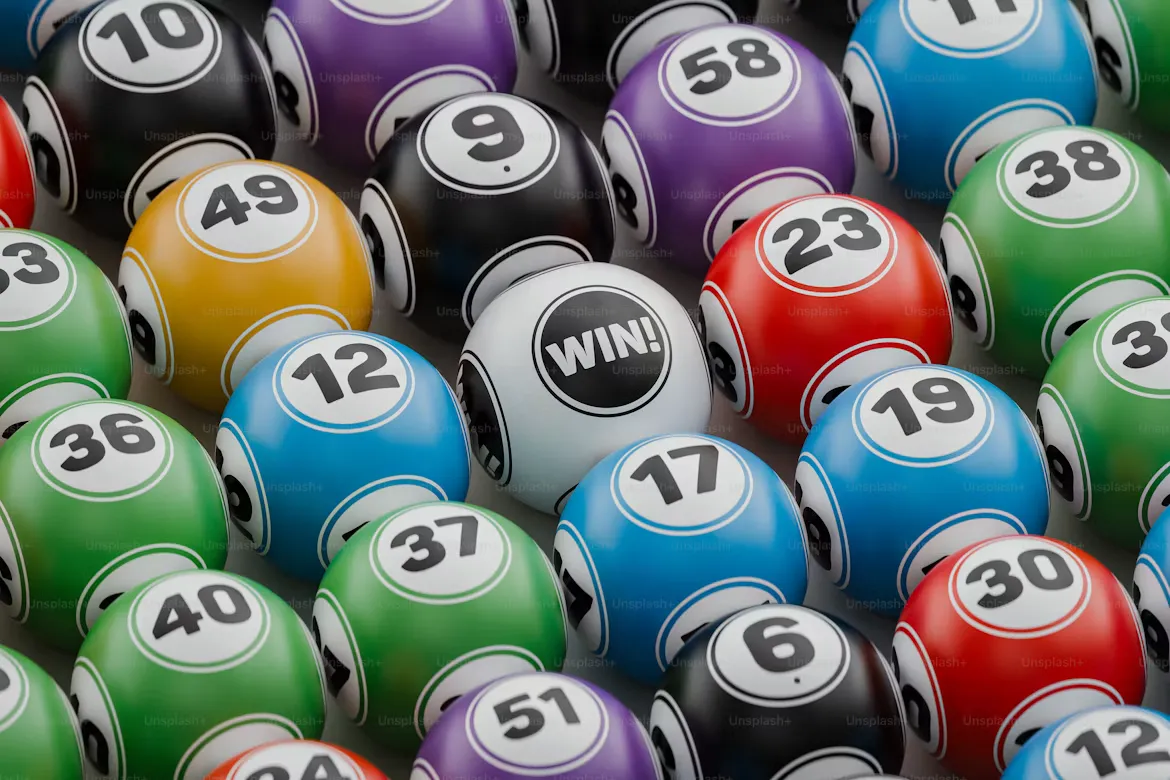
Chance has appeared throughout Italian history in public games, private pastimes, festivals, stories, and systems for distributing opportunity. The forms changed across centuries, and they should not be collapsed into one continuous tradition. Still, the recurring use of lots, numbers, and uncertain outcomes reveals a persistent cultural question: how do people interpret events they cannot fully control?
A modern label such as 1win Sweepstakes belongs to a digital commercial environment rather than an ancient custom. Before participating, adults must check the law where they live, eligibility rules, the operator’s identity, and whether money or prizes are involved. Historical interest is not evidence that a contemporary service is authorized or low-risk.
Drawing lots as a public tool
Lots have often served a practical purpose: selecting among eligible options when direct agreement is difficult. In civic and religious settings across the ancient and medieval worlds, random selection could be presented as impartial or as an expression of fate. The exact procedure and meaning varied by place and period.
The attraction was not only mystery. A transparent draw could reduce accusations that one person secretly controlled the result. Yet random selection did not remove politics; authorities still decided who entered the pool, what the prize or duty involved, and how the draw was supervised.
Dice, cards, and number games became part of leisure in inns, homes, courts, and streets. They crossed social boundaries while remaining subject to moral criticism and regulation. Rules could change between cities, and enforcement often reflected concerns about disorder, debt, or public behavior.
- chance created suspense with simple, repeatable rules;
- games offered a setting for conversation and performance;
- money raised the emotional and social stakes;
- authorities alternated between restriction, tolerance, and regulation;
- art and literature used games as symbols of fortune and character.
These dimensions explain why the subject appears in paintings and stories. A gaming table can represent sociability, deception, class, or the instability of life.
The cultural power of numbers
Numbers often carry meanings beyond mathematics. Dates, dreams, saints’ days, family memories, and local sayings can make one number feel personal. This symbolic layer does not change probability, but it changes the story a participant tells about the choice.
That distinction is important. A meaningful number may strengthen memory or identity, yet every eligible outcome remains governed by the actual rules of the draw. Cultural interpretation and mathematical likelihood operate on different levels.
How to explore the history responsibly
- Identify the exact period, city, and institution being discussed.
- Distinguish documented rules from later legends or popular retellings.
- Ask who was permitted to participate and who benefited financially.
- Compare legal texts with art, diaries, newspapers, and material evidence.
- Avoid treating modern practices as unchanged survivals from antiquity.
From public square to personal screen
Digital platforms alter the setting of chance. Participation can be private, constant, and separated from the social signals that once ended a game. Notifications and rapid repetition make the next action available before the previous result has been considered.
Technology also produces detailed records and control tools. A user may be able to view transactions, set limits, or request exclusion. These features are useful only when they are accessible, understandable, and activated before difficulty develops.
Sweepstakes, contests, and the importance of definitions
Contemporary terms are not interchangeable. A sweepstakes, lottery, prize contest, promotional draw, and wager may have different legal definitions depending on jurisdiction. Whether purchase is required, how winners are chosen, and who may enter can change the classification.
Participants should read official rules rather than rely on a headline. Important details include geographic eligibility, closing date, prize value, tax responsibility, verification, and how personal data will be used. A request to pay a fee to release an unexpected prize is a common warning sign.
Museums, local archives, and historical newspapers can help place modern terminology in perspective. They show that rules and public attitudes changed repeatedly rather than moving in a straight line. That evidence is more reliable than a story that connects every numbered game to one ancient origin.
Keeping chance within a safe boundary
Where money is involved, adults should use only a predetermined leisure amount that can be lost without affecting essentials. Chasing losses, borrowing, or treating random outcomes as income signals that the activity should stop. Minors must not access age-restricted services.
Time boundaries and notification controls are equally important. A historical game usually had a visible social setting; the digital version needs deliberate stopping points. Self-exclusion and professional support should be used when control becomes difficult.
History offers context, not prediction
Italy’s varied encounters with chance show how games can reflect institutions, beliefs, commerce, and everyday sociability. They do not provide a secret for winning. Their value lies in revealing how communities created meaning around uncertainty—and why modern users still need clear rules, evidence, and limits when uncertainty becomes a product.
Featured image: Unsplash

Contributing author to Weird Italy, , a site focused on exploring the distinctive and unconventional facets of Italian culture, history, and modern life.