
Walk the flatlands around Bologna and Ferrara today, and you see maize, wheat, and orchards. For nearly five centuries, though, these fields grew something else. They grew canapa, the tall hemp plant that made Italy one of Europe’s great fiber nations.
This is a story most people have quietly forgotten. Italian hemp once rigged war galleys and clothed peasant families, yet that world sits far from how the plant is grown and sold now. In regulated markets abroad, sellers such as Canada’s best selection of premium marijuana strains now curate flower for consumers. That is a world away from the rough cordage fiber that once built Italy’s name.
What Made Italy a Hemp Powerhouse for Centuries?
Italy owed its hemp reputation to climate, water, and skill. Warm summers, rich alluvial soil, and steady rivers let the plant grow tall and strong.
Farmers learned to read the crop across many generations. They knew when to cut, when to soak the stalks, and how to comb the fiber clean. That craft turned a common plant into a prized export.
The scale is easy to underestimate now. At the start of the 20th century, Italy ranked as the world’s second largest hemp producer, behind Russia, and first for quality. Between the 14th and 17th centuries, cultivation spread from the land around Bologna, Budrio, and Cento across much of Emilia and Romagna.
How Did Italian Hemp Keep the Great Fleets at Sea?
Sailing fleets ran on rope, and the strongest rope came from hemp. Venice built much of its naval power on fiber grown inland.
The supply chain behind that power was strict and well organized:
- The Venetian Senate ran a state factory, the Tana, to control rope quality.
- The Corderie della Tana, built in 1579, stretched about 316 meters in length.
- Venetian statutes demanded that all ship rigging use the highest grade of hemp.
- The finest fiber came from Bologna, so the city supplied the Arsenal directly.
- By the 17th century, Bologna also exported hemp to shipyards across Northwestern Europe.
You can read more about this trade in accounts of the Venetian hemp trade and its rope yards. Rope failure at sea meant disaster, so quality was never a small matter.
Where Did Italy’s Hemp Heartland Grow?
The heart of Italian hemp lay in the Po Valley. The plains around Bologna, Ferrara, and Rovigo carried most of the trade.
This land suited the plant well. The flood-fed soil of the Po Delta held moisture through the growing season. Retting pools and slow rivers gave farmers the water they needed to soften the stalks.
Bologna sat at the center of it all. Goods moved along the city’s canals and the underground waterways of Bologna, which linked its workshops toward the Adriatic. That access helped a farm crop become an international commodity.
How Did Hemp Weave Into Italian Rural Life?
Hemp was not only for sailors. It fed, clothed, and furnished ordinary rural families across the north.
Little of the plant went to waste. A single harvest could serve many needs in one household, as the table below shows:
| Use | How hemp served rural households |
| Cordage and rope | Rigging, fishing nets, and farm ties |
| Textiles | Sheets, sacks, and hard-wearing work clothes |
| Seed and oil | Animal feed and simple lamp oil |
| Trade income | A reliable cash crop for smallholders |
That heritage is still on display today. A hemp museum near Bologna keeps the tools of growers, combers, spinners, and rope makers. The collection reads like an anthropology of the Bolognese plain.
Why Did Italy’s Hemp Industry Fade Away?
Italian hemp collapsed in the mid 20th century. Cheaper synthetic fibers and new drug laws pushed it out of the fields.
The numbers tell the fall clearly. In the 1940s, more than 100,000 hectares still grew hemp across the country. Within a generation, that figure shrank toward almost nothing.
Several forces hit at once. Nylon and other man-made fibers undercut hemp rope and cloth. The 1961 Single Convention on Narcotic Drugs tightened rules on the plant. Meanwhile, people left the countryside for city jobs, and the skilled hands that processed the fiber were lost.
The plant lives on differently now. Abroad, regulated shops in places like Canada sell curated cannabis strains to adults, while Italy’s own story stays rooted in fiber, rope, and rural memory.
What the Canapa Story Leaves Behind
- Italy was the world’s second largest hemp grower around 1900, first for quality.
- Venetian sea power leaned on Bologna fiber spun into rope at the Tana.
- The Po Valley, from Bologna to Ferrara and Rovigo, formed the hemp heartland.
- Rural families used hemp for rope, cloth, seed, oil, and steady income.
- Synthetic fibers and the 1961 drug convention drove the crop into decline.
- Museums and old field names now hold most of what remains of canapa.
A Fiber Worth Remembering
Italy’s hemp past deserves a place beside its more famous exports. For centuries the plant tied the countryside to the sea, and it shaped whole regions of the north. Knowing that history makes today’s very different cannabis markets easier to understand.
Frequently Asked Questions
Was Italy really one of the world’s largest hemp producers?
Yes. At the start of the 20th century, Italy was the second largest hemp producer on earth, behind Russia. It was widely rated first for the quality of its fiber.
What was hemp used for in old Italy?
Hemp mainly became rope and cordage for ships, along with sails and fishing nets. Rural families also spun it into sheets, sacks, and work clothes. The seed fed animals and pressed into a simple oil.
Which Italian region grew the most hemp?
The Po Valley led the trade, especially Emilia-Romagna. The plains around Bologna, Ferrara, and Rovigo grew the prized Bologna variety. Rich soil and plentiful water made the area ideal.
Why did Italian hemp farming disappear?
Cheaper synthetic fibers replaced hemp rope and cloth after the war. The 1961 Single Convention on Narcotic Drugs added legal pressure. City migration also drained the skilled labor the crop required.
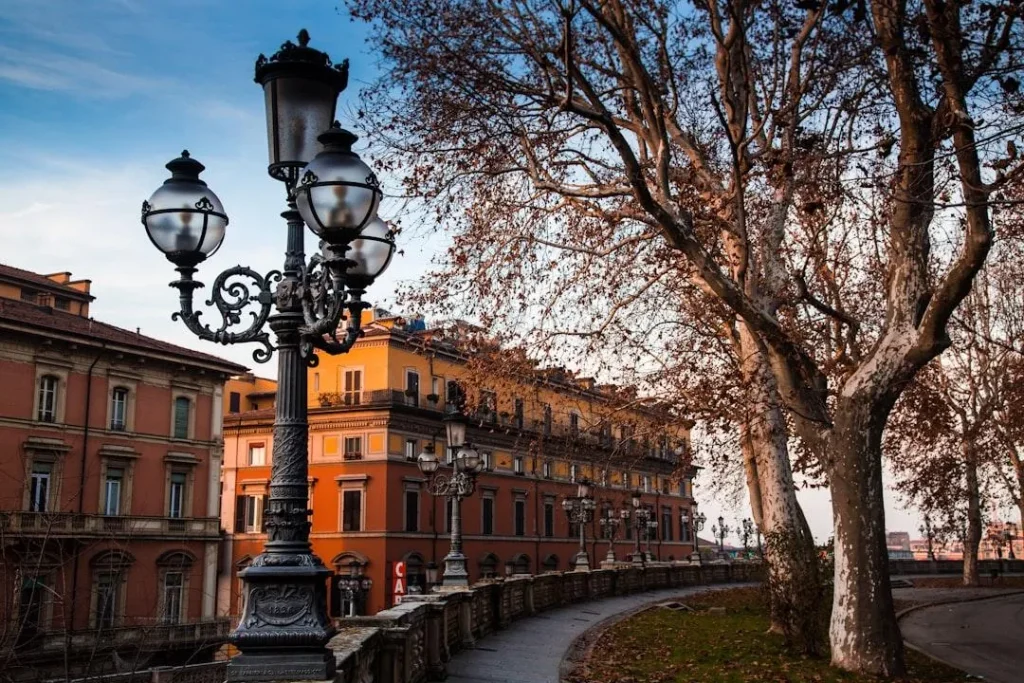
Featured image: Photo by Tuan P. on Unsplash
