
Observing a changing world through Antonio Pigafetta’s documentation of Magellan’s voyage
Antonio Pigafetta, born around 1492 in Vicenza, was an Italian navigator and writer who participated in the first circumnavigation of the globe from 1519 to 1522. His detailed account of the voyage, titled “Relazione del primo viaggio intorno al mondo” (Report on the First Voyage Around the World), provides invaluable insights into the lands and peoples encountered during this monumental expedition.
Related articles: Maes Titianus: A Roman Merchant’s Tale on the Silk Road; The Roman Expeditions of the Nile River
Early Life and Involvement in the Expedition
Antonio Pigafetta was born around 1492 into the noble Pigafetta family in Vicenza, a city in the Republic of Venice. His family’s prominence provided him with access to a thorough education, where he excelled in mathematics and astronomy—fields crucial for navigation and exploration during that era. These studies equipped him with the knowledge necessary to understand celestial navigation and cartography, skills that would prove invaluable in his later voyages.
Pigafetta became a Knight of the Order of St. John of Jerusalem, a prestigious military and religious order dedicated to hospital work and the defense of Christian territories. This order was also known as the Knights of Rhodes and later the Knights of Malta. His association with this order reflected his commitment to chivalric ideals and religious duties, further enhancing his reputation in noble circles.
In 1519, Pigafetta traveled to Spain as part of the entourage of Bishop Francesco Chiericati, a fellow Vicentine who served as a papal nuncio under Pope Leo X. The bishop was on a diplomatic mission to the court of King Charles V. During his time at the Spanish court, Pigafetta was exposed to intense discussions about recent voyages and discoveries made by Spanish and Portuguese explorers. The excitement and intrigue surrounding these explorations captivated him.

It was in this environment that Pigafetta learned about Ferdinand Magellan‘s planned expedition to find a westward route to the Spice Islands, known today as the Moluccas in Indonesia. The Spice Islands were famed for their valuable spices like cloves and nutmeg, which were highly prized in Europe for their use in medicine, cooking, and preservation. Control over the spice trade promised immense wealth and strategic advantage.
Driven by his thirst for knowledge and adventure, Pigafetta sought to join this groundbreaking voyage. With the assistance of Bishop Chiericati, he petitioned King Charles V for permission to be part of the expedition. Recognizing Pigafetta’s noble background and his potential contributions, the king granted his request. Pigafetta was accepted not as a regular crew member but as a sobresaliente, a supernumerary officer who accompanied the voyage without specific duties related to sailing the ship.
This role suited Pigafetta’s interests, as it allowed him to focus on observing and documenting the journey. He was intent on recording detailed accounts of the lands they would visit, the peoples they would meet, and the various phenomena they might encounter. His aim was to create a comprehensive narrative that could inform and educate others upon his return.
Pigafetta’s preparation for the voyage involved gathering instruments and materials necessary for his documentation work. His knowledge of languages, along with his skills in mathematics and astronomy, positioned him to contribute significantly to the expedition’s understanding of navigation and the new territories. His decision to join the voyage was fueled by a combination of personal ambition, intellectual curiosity, and the desire to be part of a historic endeavor that could expand the horizons of European knowledge.

Setting Sail and Early Observations
The fleet, consisting of five ships under Magellan’s command—Trinidad, San Antonio, Concepción, Victoria, and Santiago—departed from Seville on August 10, 1519. They navigated down the Guadalquivir River to Sanlúcar de Barrameda, where they spent over a month finalizing preparations for their extensive voyage. On September 20, they set sail into the Atlantic Ocean. Pigafetta, aboard the flagship Trinidad, began his journal with meticulous attention from the outset. He recorded not only daily events and duties but also the natural phenomena they encountered.
One notable event he described occurred during a fierce storm at sea. Amidst the howling winds and crashing waves, Pigafetta observed the “fire of St. Elmo.” He detailed how a luminous glow appeared at the tips of the ship’s masts and spars—a phenomenon caused by electrical discharge in the atmosphere during stormy weather. This mysterious light captivated him; he noted how it flickered like tongues of flame, casting an eerie glow over the vessel. The sailors, though battered by the storm, found solace in this sight, interpreting it as a favorable sign from St. Elmo, the patron saint of sailors, offering them protection.
Pigafetta’s account deeply explored the crew’s reactions, capturing their mix of fear and wonder. He portrayed the scene vividly, noting how the seamen gathered on deck, their faces illuminated by the strange light, whispering prayers and sharing tales of other mariners who had witnessed the same phenomenon. His description is one of the earliest detailed records of St. Elmo’s fire, demonstrating his keen interest in both the natural sciences and the superstitions held by sailors of the time.
Pigafetta continued to document the voyage with dedication. He wrote about the routines aboard the ships, the challenges of navigation, and the anticipation of reaching new lands. His observations extended to the behavior of sea creatures they encountered, changes in the weather, and the emotional states of the crew as they sailed further into uncharted waters.
Encounters in South America
Upon reaching the coast of Brazil in December 1519, the expedition anchored near what is now Rio de Janeiro. Antonio Pigafetta was immediately captivated by the richness of the landscape. He described dense forests filled with unfamiliar trees and plants, many bearing fruits unlike any he had seen in Europe. The variety of vegetation and the sheer abundance of life left a strong impression on him.
Among the wildlife, Pigafetta took note of vividly colored parrots, their feathers displaying bright greens, reds, and blues. He observed monkeys moving agilely through the treetops and described large rodents called “agnei,” which scholars believe could have been capybaras or agoutis. He detailed their appearances and behaviors, fascinated by creatures that were entirely new to him and his companions.
Pigafetta’s interest extended deeply to the indigenous peoples they encountered, particularly the Tupinambá tribe. He provided thorough accounts of their physical appearance, noting their tall stature and strong build. The Tupinambá wore no clothing but adorned their bodies with intricate paint made from natural dyes. They used red pigment derived from the annatto plant to color their skin, a practice that might have held ceremonial significance or served as protection against insects.
He observed that they decorated themselves with feathers from various birds, crafting elaborate headdresses and ornaments. The use of body paint and feathered adornments was an integral part of their identity and expression. Pigafetta remarked on their hairstyles and the use of bone or wooden ornaments inserted into their lips and ears.
The Tupinambá resided in large communal houses called “malocas,” constructed from wood and thatched roofs, accommodating multiple families under one roof. Pigafetta noted that their society appeared to operate without a rigid hierarchical structure, with elders playing a significant role in decision-making processes.
Regarding their diet, Pigafetta observed that the Tupinambá were skilled hunters and fishermen. They consumed fish from the rivers and game from the forests, such as wild pigs and birds. He was particularly interested in their cultivation and preparation of manioc (cassava). They processed the root to make flour and baked it into flatbread, a staple in their diet. He described their extensive knowledge of local plants and the techniques they used to remove the toxic substances from manioc.
Pigafetta paid close attention to their customs and social practices. He witnessed ceremonies that involved music, singing, and dancing, which were integral to their cultural expressions. They used instruments like flutes made from reeds and drums crafted from hollowed logs.
One of the most remarkable aspects of Pigafetta’s time in Brazil was his effort to learn and document the Tupinambá language. He compiled a list of vocabulary, carefully recording words and their meanings. For instance, he noted that “caraï” meant “sun,” “tupa” meant “God,” and “peca” meant “fish.” He included numbers, days, and common phrases that would facilitate basic communication. This endeavor was uncommon among explorers of his time, who often overlooked the importance of understanding indigenous languages.
Pigafetta’s linguistic documentation provides some of the earliest European records of the Tupian languages. His work has been invaluable to linguists and historians, offering insights into the language structure, vocabulary, and pronunciation.
He also observed social practices such as marriage customs and familial relationships. Pigafetta noted that the Tupinambá practiced polygamy and that marriages were often arranged within the community. He described how they cared for their children and the roles men and women played in daily life.
Interactions between the expedition members and the Tupinambá were generally amicable during their stay. Pigafetta recounted exchanges where the Europeans offered items like beads, mirrors, and metal goods in return for food, water, and handcrafted objects. These trade interactions allowed for mutual curiosity and learning, although Pigafetta was aware of the potential for misunderstandings due to cultural differences.
He was cautious in his observations about conflicts, noting that while their stay was largely peaceful, there were underlying tensions that could arise from miscommunication or differing worldviews.
At this initial stage of the voyage, the expedition maintained its full complement of approximately 270 crew members distributed across five ships.
Winter in Patagonia
As the expedition proceeded southward along the coast of South America, the fleet reached the region now known as Patagonia in March 1520. Antonio Pigafetta provided detailed accounts of their encounters with the indigenous people inhabiting this remote area. He described the Patagonian natives as extraordinarily tall, referring to them as “giants” due to their stature relative to the Europeans. Pigafetta estimated their height to be between eight and ten feet, though it is understood today that these measurements were likely overestimations influenced by the differences in average height between the two populations.
In one notable event, the crew observed a man on the shore performing actions that appeared both curious and inviting. He was singing, dancing, and sprinkling dust on his head, which Pigafetta interpreted as a form of greeting or ritual. Recognizing an opportunity for contact, Magellan ordered his men to approach the man. They offered him food and drink, including biscuits, preserves, and wine. The man accepted these offerings with evident enjoyment, indicating a willingness to engage.
This initial interaction led to a mutual exchange of gestures and attempts at communication. The crew presented the man with gifts such as a mirror, a comb, and bells. In return, he demonstrated his own customs, sharing aspects of his culture through song and dance. Pigafetta meticulously recorded these exchanges, noting the man’s reactions and the crew’s fascination with his responses.
Pigafetta described the clothing of the Patagonians as crafted primarily from animal skins, particularly those of the guanaco—a camelid native to the region similar to the llama. The skins were worn as cloaks, providing necessary warmth against the harsh, cold climate of Patagonia. He observed that they wrapped these cloaks around their bodies, fastening them with ties made from sinew or leather. The Patagonians also wore footwear fashioned from animal hides, suited for traversing the rugged terrain.
Their diet consisted of meat from the guanaco and other local fauna, as well as roots and plants they foraged. Pigafetta was impressed by their hunting skills and knowledge of the land, which allowed them to sustain themselves in an environment that was challenging for the Europeans. He remarked on their physical strength and agility, noting how they could run swiftly and endure the cold with minimal shelter.
Despite the initial friendly interactions, tensions arose due to the crew’s intentions to capture some of the Patagonians to take back to Europe. Pigafetta recounted that the Europeans employed deceptive tactics, using gifts to lure individuals onto their ships. Once aboard, they attempted to restrain them by placing shackles on their legs. In one instance, a man realized the nature of the metal restraints and began to struggle. He managed to break free, shouting loudly and alerting others. He leaped overboard and swam to shore despite the cold waters, an act that both astonished and concerned the crew.
These attempts at capture led to increased wariness among the Patagonians. The trust that had been established was eroded, making further interactions difficult. Pigafetta expressed a measure of regret over these developments, acknowledging that the actions of the crew had disrupted the possibility of peaceful relations.
During the wintering period in Patagonia, following the suppression of a mutiny that resulted in the execution of some officers and sailors, the crew numbers decreased to around 240 men.
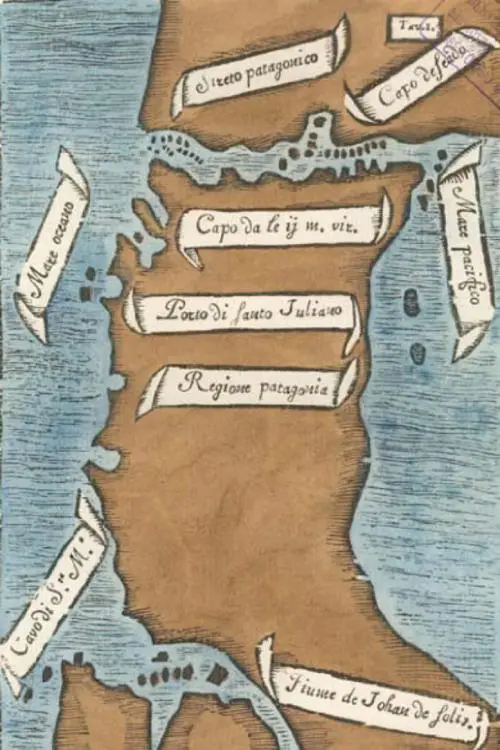
As the expedition continued southward along the coast of South America, the fleet sought a navigable route that would allow them to reach the Pacific Ocean and ultimately the Spice Islands. In October 1520, they arrived at a promising inlet, which turned out to be the entrance to a complex and uncharted waterway. Antonio Pigafetta meticulously documented their journey through this passage, which would later be named the Strait of Magellan in honor of their captain.
Pigafetta described the immense challenges they faced navigating through the strait. The waterway was a maze of channels, fjords, and dead ends, surrounded by towering mountains and steep cliffs. The crew had to be constantly vigilant to avoid hidden rocks and sudden shallows. Unpredictable winds and strong currents added to the difficulty, often pushing the ships dangerously close to the rocky shores.
The weather conditions were harsh and unforgiving. Pigafetta noted frequent storms that brought heavy rains, sleet, and even snow. Dense fog often enveloped the ships, reducing visibility to almost nothing and forcing the fleet to halt until it lifted. The cold temperatures were a stark contrast to the tropical climates the crew had experienced earlier, and many suffered from exposure and fatigue.
Despite these hardships, Pigafetta was struck by the rugged beauty of the landscape. He wrote about the snow-capped peaks that loomed over the strait and the glaciers that glinted in the distance. The dense forests that lined the shores were unlike any the Europeans had seen, filled with ancient trees and unfamiliar vegetation. Waterfalls cascaded down the cliffs, fed by melting snow and ice.
During their passage, Pigafetta observed an abundance of marine life that captivated the crew. He described large numbers of seals, which he referred to as “sea wolves,” noting their curious behavior and how they would often follow the ships. These animals were a source of fascination, as they were unlike any creatures the sailors had encountered before.
Penguins were another marvel. Pigafetta provided detailed accounts of these flightless birds, noting how they stood upright on land and moved swiftly through the water. He described their black and white plumage and their loud calls, which echoed across the water. The sailors were amused by the penguins’ waddling gait and their lack of fear around humans.
Birdlife was abundant as well. Pigafetta noted various species of seabirds, including albatrosses and petrels, which soared above the ships or rested on the water’s surface. These birds were often seen as signs of nearby land or changes in weather, and the crew paid close attention to their movements.
The richness of the marine ecosystem provided some relief to the crew, who were able to supplement their provisions by fishing. Pigafetta mentioned that they caught a variety of fish, which helped sustain them during the challenging navigation through the strait.
Throughout this portion of the journey, Pigafetta remained diligent in his documentation. He recorded latitude readings and made sketches of the coastline and waterways. His attention to detail provided valuable information for future navigators and contributed significantly to the cartographic knowledge of the time.
The passage through the strait took over a month, testing the limits of the crew’s endurance and the ships’ capabilities. One of the most significant setbacks occurred when the San Antonio, one of the fleet’s ships, deserted the expedition. The San Antonio’s crew decided to return to Spain, taking with them valuable supplies and leaving the expedition further strained. Pigafetta recorded this event with a sense of disappointment and concern for the challenges that lay ahead with a reduced fleet.
Finally, on November 28, 1520, the three remaining ships—Trinidad, Concepción, and Victoria—emerged from the strait into the vast expanse of the Pacific Ocean. Pigafetta wrote about the profound relief and elation felt by the crew upon reaching what seemed like calmer waters. Magellan named the ocean “Pacific” due to its apparent tranquility compared to the tumultuous conditions they had just endured.
After the ship San Antonio deserted and returned to Spain with some crew members, the expedition continued through the strait with three ships and approximately 200 crew members.
Crossing the Pacific Ocean
After navigating through the Strait of Magellan and entering the Pacific Ocean in November 1520, Antonio Pigafetta documented the severe challenges faced by the expedition during the long crossing. The crew was unprepared for the vastness of the ocean, which stretched before them without any sign of land for weeks on end. Magellan had named it the “Pacific” due to its initially calm waters, but the journey soon proved to be anything but peaceful.
Pigafetta recorded that the fleet sailed for more than three months without finding any inhabited islands where they could replenish their supplies. The lack of fresh provisions led to dire consequences. The crew began to suffer from scurvy, a disease resulting from a deficiency of vitamin C. Pigafetta described how the sailors’ gums swelled to the point where their teeth loosened and fell out. Many were so weak they could barely stand, and nineteen men died from scurvy and other ailments during this period.
The food stores deteriorated rapidly. Pigafetta detailed how the ship’s biscuits became infested with worms and reduced to powder mixed with foul substances. The biscuits were so spoiled that they were covered in rat droppings and emitted a repulsive odor. The water they had stored turned yellow and developed a terrible smell, making it barely drinkable. In their desperation, the sailors resorted to eating sawdust-infested biscuits and drinking the contaminated water.
Hunger drove the crew to extreme measures. They consumed leather parts of the ship, such as pieces of ox-hide used to bind the mainyard. They soaked the leather in seawater to soften it, then grilled it over coals before attempting to eat it. Rats on board became a coveted source of nourishment; sailors were willing to pay high prices for them when they could be caught.
Despite the appalling conditions, Pigafetta remained dedicated to his role as the chronicler of the voyage. He continued to write detailed entries in his journal, documenting not only the physical hardships but also the morale of the crew. He described the despair that settled over the men as the weeks dragged on without relief and the toll that starvation and disease took on their bodies and spirits.
On March 6, 1521, after 99 days crossing the Pacific without sighting land, the expedition finally reached the Mariana Islands, specifically Guam. Pigafetta recounted the overwhelming relief and joy among the crew upon seeing signs of habitation and the prospect of obtaining fresh food and water.
The arduous crossing of the Pacific Ocean led to significant losses due to scurvy and starvation, reducing the crew to about 150 men spread across the remaining ships.
The Islands of Southeast Asia
The expedition eventually reached the Mariana Islands in March 1521, after a grueling three-month crossing of the Pacific Ocean. Antonio Pigafetta documented their arrival at the island of Guam, where they encountered the Chamorro people. He was impressed by their exceptional seafaring abilities and provided detailed descriptions of their canoes, known as proas. These vessels featured a unique design with a single outrigger and a lateen sail, allowing them to achieve remarkable speed and agility on the water. Pigafetta noted that the Chamorro could maneuver their canoes swiftly, even outpacing the European ships in certain conditions.
Despite initial curiosity, tensions arose when the Chamorro began taking items from the ships without permission. Pigafetta recounted how the locals boarded the vessels and removed goods such as ropes, utensils, and even small boats. The crew perceived these actions as theft, leading to anger and frustration. In response, Magellan ordered a show of force to retrieve the stolen items. The situation escalated into violent confrontations, during which several Chamorro were killed, and their village was set on fire. Pigafetta expressed a mixture of condemnation and regret over the harsh measures taken.
Continuing their journey, the expedition reached the Philippines later in March 1521. Pigafetta’s narratives became more extensive during their time in the archipelago. He meticulously recorded observations about the various islands they visited, including their geography, natural resources, and especially the inhabitants. In the island of Homonhon, the crew was warmly received by the local people, who offered them food and fresh water. Pigafetta noted the hospitality and kindness shown, which stood in contrast to their earlier experiences.
In Cebu, the expedition established significant relations with local rulers. Pigafetta detailed the meeting with Rajah Humabon, the king of Cebu, describing him as a wise and influential leader. Through interpreters, Magellan and Humabon negotiated an alliance based on mutual benefit. Magellan agreed to assist Humabon in conflicts against rival tribes, while Humabon consented to provisions for the crew and support for their mission.
Pigafetta observed numerous ceremonies and rituals during their stay in Cebu. One of the most notable events was the mass baptism on April 14, 1521, where Rajah Humabon, his wife, and several hundred of their subjects converted to Christianity. Pigafetta described the ceremony in detail, noting the eagerness of the participants and the solemnity of the occasion. He highlighted the significance of this event, seeing it as a major accomplishment for the expedition’s spiritual objectives.
He also provided insights into the societal structures of the Philippines. Pigafetta wrote about the local governance systems, which included a hierarchy of chieftains and councils. He noted the sophistication of their political organization and the importance of alliances and kinship in maintaining social order. The influence of trade was evident in the wealth displayed by the ruling classes.
Pigafetta paid particular attention to the material culture of the Filipino people. He recorded the use of porcelain dishes imported from China, indicating extensive trade networks with neighboring regions. Gold ornaments were commonly worn by both men and women, adorning their ears, necks, and wrists. Pigafetta was struck by the craftsmanship of these items, describing intricate designs and high levels of artistry.
Silk garments were another indicator of the prosperous trade relations. Pigafetta noted that the upper classes wore clothes made from fine silks, which were also likely imported through established trade routes. The presence of such goods suggested that the islands were an integral part of regional commerce, connecting them to larger economic systems in Asia.
During his time in the Philippines, Pigafetta also documented religious practices and beliefs. He observed that while some communities were animistic, worshipping natural elements and ancestral spirits, others showed influences from Islam and Hinduism due to prior interactions with traders from those regions. His accounts provided a complex picture of a society with diverse religious traditions.
Pigafetta’s meticulous records extended to daily life and customs. He described local foods, cooking methods, and agricultural practices. Rice was a staple, cultivated extensively in the fertile lands. Coconut trees were abundant, and Pigafetta marveled at the myriad uses of the coconut, from its water and flesh to the fibers and shells.
He also detailed social customs such as marriage ceremonies, funerary rites, and festivals. Music and dance played significant roles in communal activities, with instruments like gongs and flutes accompanying performances. Pigafetta noted that these cultural expressions were integral to the community’s identity and cohesion.
Upon reaching the islands of Southeast Asia, including the Philippines, the expedition had around 150 crew members operating on three ships.
The Battle of Mactan and Magellan’s Death
A significant event in Antonio Pigafetta’s narrative is the Battle of Mactan, which resulted in the death of Ferdinand Magellan. Pigafetta provided a detailed, firsthand account of this confrontation with the forces led by Lapu-Lapu, a local chieftain on Mactan Island in the Philippines.
The events unfolded on April 27, 1521, after Magellan decided to support Rajah Humabon, the ruler of Cebu, who had formed an alliance with the Spaniards. Humabon requested assistance against Lapu-Lapu, who refused to acknowledge the authority of the king of Spain and resisted conversion to Christianity. Magellan agreed to intervene, believing that a display of military strength would intimidate other local leaders into submission.
Magellan assembled a contingent of 49 armed men, including Pigafetta, and set out for Mactan Island before dawn. Due to the shallow waters surrounding the island, the Spanish ships could not approach the shore closely. The men were forced to disembark in waist-deep water and wade a considerable distance to reach the beach, exposing them to the defensive positions of Lapu-Lapu’s warriors.
Pigafetta described how approximately 1,500 warriors awaited them on the shore, armed with bamboo spears, bows and arrows, and other indigenous weapons. The Spaniards, clad in armor and carrying swords, crossbows, and muskets, anticipated that their superior weaponry would give them an advantage. Magellan ordered his men not to attack immediately but to give the warriors a chance to submit. He sent a message to Lapu-Lapu, offering one final opportunity for peace, but the chieftain rejected the proposal.
As the battle commenced, the Spaniards found themselves at a disadvantage. The rough terrain and the difficulty of movement in the water hindered their progress. Pigafetta noted that the musketeers and crossbowmen were less effective due to the longer range required to reach the warriors on the shore. The smoke from their firearms did little to intimidate the opposing forces.
The warriors of Mactan employed tactics unfamiliar to the Spaniards. They moved swiftly, coordinated their attacks, and utilized the environment to their benefit. Pigafetta recounted how the warriors targeted Magellan, recognizing him as the leader. They aimed their arrows and spears at his legs, the only unprotected part of his body. Despite the wounds he sustained, Magellan continued to fight, ordering a strategic retreat to the boats to prevent further losses.
During the withdrawal, Magellan was surrounded by a group of warriors. Pigafetta described how Magellan and his remaining men fought bravely but were overwhelmed by the sheer number of attackers. Magellan was struck by a bamboo spear in the face and then by a lance to his arm. Weakened, he fell to the ground, and several warriors attacked him simultaneously until he succumbed to his injuries.
Pigafetta himself was wounded during the skirmish. He detailed how an arrow struck his leg, causing significant pain but not deterring him from continuing to fight alongside his comrades. He emphasized the chaos of the battle, the confusion among the ranks, and the desperation they felt as they tried to reach the safety of their boats.
The loss of Magellan had profound effects on the expedition. Pigafetta conveyed the sense of shock and grief that pervaded the crew. He reflected on the miscalculations that led to the defeat, acknowledging that underestimating the resolve and capabilities of Lapu-Lapu’s warriors was a critical error. The expectation that superior armor and weapons would guarantee victory proved to be false.
In his account, Pigafetta also expressed admiration for the bravery of the warriors of Mactan. He recognized their determination to defend their land and resist foreign domination. This event marked a turning point in the expedition, as the crew had to regroup and select new leadership to continue their journey.
Following the Battle of Mactan, where Magellan and several crew members were killed, the expedition’s numbers dwindled to approximately 120 men.
Relations with the Sultan of Brunei
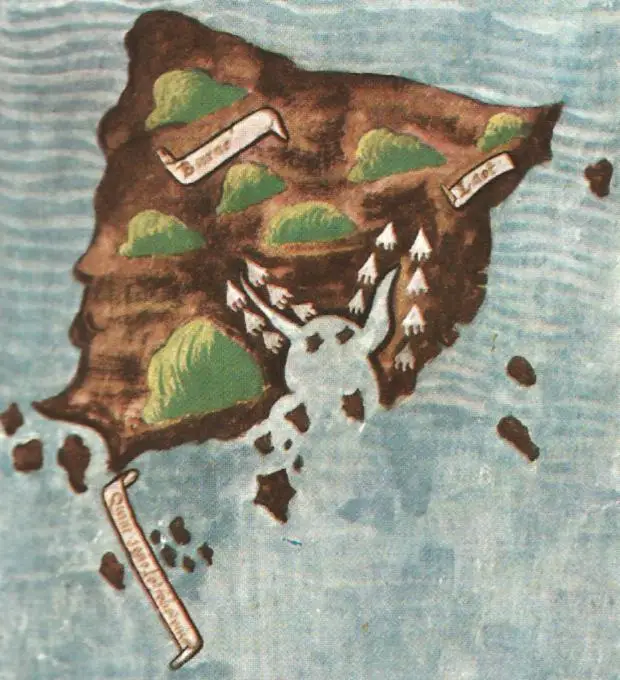
Continuing their voyage, the expedition reached the kingdom of Brunei on the island of Borneo in July 1521. Antonio Pigafetta provided a comprehensive account of their experiences there, expressing his astonishment at the wealth and sophistication he witnessed. He described the Sultan’s palace as an opulent structure built on the water, supported by numerous pillars. The palace was adorned with fine woods and precious metals, with walls and ceilings intricately decorated. The chambers were furnished with luxurious items, including rich tapestries and finely crafted furniture.
The use of elephants in the Sultan’s court particularly impressed Pigafetta. He observed that the Sultan owned several elephants adorned with embroidered cloths and gold ornaments. These majestic animals were used in royal processions and ceremonies, adding grandeur to official events. Pigafetta attended a feast hosted by the Sultan, where he witnessed elaborate ceremonies involving music, dance, and displays of martial prowess. Musicians played traditional instruments, and dancers performed intricate routines that reflected the cultural heritage of the region.
He was struck by the abundance of valuable commodities in Brunei. The kingdom was rich in spices such as cloves, nutmeg, and cinnamon. Pigafetta noted the presence of large pearls, gold, and other precious items, indicating the significant economic activity in the area. He remarked on the active trade with other parts of Asia, including China and India, which contributed to the kingdom’s prosperity. The marketplaces were bustling with merchants trading goods from various regions, showcasing the extensive commercial networks established by Brunei.
Pigafetta provided detailed observations of the social hierarchy and governance of the kingdom. He noted that the Sultan held absolute authority but was advised by a council of nobles and officials who managed different aspects of administration. The influence of Islam was evident in court practices and daily life. Pigafetta described the mosques he saw, the calls to prayer that echoed throughout the city, and the adherence to Islamic laws and customs by the populace.
He also described the advanced state of local technologies and craftsmanship. Pigafetta was particularly impressed by the manufacture of porcelain, which he found to be of high quality and artistry. He detailed the processes used in creating finely crafted metalwork, including weapons, jewelry, and household items made from gold, silver, and bronze. The artisans demonstrated remarkable skill, producing intricate designs and decorative patterns that rivaled those he had seen in other parts of the world.
In his account, Pigafetta mentioned the sophisticated infrastructure of the city. He observed that many houses were built on stilts over the water, connected by a network of walkways and bridges. This architectural style not only provided protection against flooding but also facilitated transportation and trade via canals. The cleanliness and organization of the city streets left a strong impression on him.
Pigafetta interacted with various members of the Sultan’s court and noted the formalities and protocols observed during these engagements. He described how they were received with honors, including the exchange of gifts such as fine textiles and spices. The hospitality extended to the expedition members reflected the diplomatic practices of the time and the importance the Sultan placed on maintaining good relations with foreign visitors.
He also provided insights into the daily lives of the people. Pigafetta observed that men and women dressed in garments made from silk and other fine fabrics, often embellished with gold thread and intricate embroidery. Both genders adorned themselves with jewelry, including rings, bracelets, and necklaces made from precious metals and stones. The use of cosmetics and perfumes was common, indicating a cultural appreciation for personal adornment and hygiene.
Due to insufficient crew to operate all vessels effectively, the decision was made to scuttle the ship Concepción, leaving the expedition with two ships and about 115 crew members.
The Moluccas and the Spice Trade
Upon reaching the Moluccas in November 1521, the expedition achieved its primary goal of finding the Spice Islands, famed for their abundant cloves, nutmeg, and other valuable spices. Antonio Pigafetta provided extensive accounts of the rich resources found on these islands, particularly focusing on the clove trees that dominated the landscape.
Pigafetta described in detail the process of harvesting and drying cloves. The local inhabitants gathered the cloves twice a year during specific seasons. Harvesters climbed the tall clove trees using ropes or simple ladders made from bamboo. They carefully picked the unopened flower buds by hand to ensure the highest quality. After collection, the cloves were spread out on mats or wooden platforms to dry in the sun. Pigafetta noted how the cloves changed color during drying, turning from a pale hue to the dark brown familiar in European markets. This process enhanced their aroma and preserved them for long voyages.
He observed that the cloves were not only a source of wealth but also integral to the local economy and daily life. The spices were traded extensively with merchants from various regions, including traders from China, India, and other parts of Southeast Asia. Pigafetta remarked on the significance of these commodities in global trade, understanding that control over the spice trade could bring immense prosperity.
Interactions with local rulers were a central aspect of Pigafetta’s narratives in the Moluccas. He recounted the negotiations with the Sultan of Tidore and other local leaders to secure spice trading rights. The expedition sought to establish alliances that would ensure a steady supply of spices for Spain. Pigafetta described formal meetings where gifts were exchanged, including items such as cloth, metal goods, and other European products unfamiliar to the islanders. These exchanges were crucial in building trust and fostering diplomatic relations.
Pigafetta paid close attention to the cultural practices of the Moluccan people. He observed their social customs, noting that the society was organized under the leadership of sultans and chieftains who held significant influence. Marriage customs were of particular interest to him. He detailed the elaborate ceremonies that accompanied weddings, which included feasting, music, and dance. Families often arranged marriages to strengthen alliances between clans or communities. The celebrations could last several days, reflecting the importance of these unions in their culture.
Traditional attire also caught Pigafetta’s attention. He described how both men and women adorned themselves with garments made from fine fabrics, sometimes imported through trade networks. Clothing was often embellished with gold, silver, and precious stones, indicating social status and wealth. Men wore colorful robes and turbans, while women dressed in elegant garments and adorned themselves with jewelry such as necklaces, bracelets, and earrings.
Pigafetta noted the craftsmanship evident in their metalwork and textiles. Artisans in the Moluccas produced intricate designs in gold and silver, creating items for both everyday use and ceremonial purposes. The advanced state of their craftsmanship highlighted the cultural sophistication of the society.
He also observed religious practices, noting that Islam was the predominant faith in the region. Pigafetta described the presence of mosques and the daily prayers conducted by the inhabitants. He respected their spiritual customs and recorded them with interest, recognizing the influence of religion on their laws and social norms.
During their stay, the expedition loaded their ships with significant quantities of cloves and other spices. Pigafetta documented the quantities and the care taken to preserve the spices for the journey back to Spain.
While in the Moluccas, preparing for the return journey, the expedition consisted of two ships and roughly 110 men.
Return Journey and the “Lost Day”
As the expedition prepared to return to Spain, Antonio Pigafetta documented the severe challenges they faced due to a dwindling crew and damaged ships. The long voyage had taken a heavy toll on both men and vessels. Many crew members had perished from disease, starvation, or conflicts encountered along the way. The remaining sailors were exhausted and in poor health, struggling to operate the ships effectively.
One critical decision recorded by Pigafetta was the abandonment and burning of the ship Concepción. With insufficient manpower to manage all three remaining ships, the leaders determined they could only operate two. After salvaging any useful supplies and equipment, they set the Concepción ablaze in the Moluccas to prevent it from being used by others. This difficult choice underscored the dire circumstances of the expedition and the pragmatic steps they had to take to ensure their survival.
The two ships, Trinidad and Victoria, faced their own challenges. The Trinidad began to take on water due to severe leaks and was in need of significant repairs. It was decided that the Victoria, commanded by Juan Sebastián Elcano, would continue westward across the Indian Ocean towards Spain, while the Trinidad would stay behind for repairs and later attempt to return via the Pacific Ocean. Pigafetta was among those who embarked on the Victoria, which now bore the immense responsibility of carrying the expedition’s remaining hopes.
During the arduous journey across the Indian Ocean, the Victoria contended with extreme weather, including violent storms that tested the limits of the ship and the endurance of the crew. Pigafetta noted the scarcity of provisions and the constant threat of illness. Navigational challenges were compounded by the lack of updated maps for these waters, making the voyage even more perilous.
Upon reaching the Cape of Good Hope, the Victoria faced some of the most treacherous conditions of the entire expedition. Pigafetta described towering waves and fierce winds that battered the ship, causing further damage and instilling fear among the sailors. Despite these obstacles, Elcano’s leadership and the crew’s determination enabled them to navigate around the southern tip of Africa.
As they approached the Cape Verde Islands, which were under Portuguese control, the crew was in desperate need of fresh supplies. Aware of the political tensions between Spain and Portugal, they devised a plan to procure provisions without revealing their true journey. Pigafetta and a small group went ashore, pretending to be a merchant vessel returning from the Americas. They successfully traded for food and water, but their deception was eventually discovered when discrepancies in their reported dates raised suspicion among the Portuguese officials.
It was during this interaction that Pigafetta and the crew realized they had lost a day in their calendar. They had carefully maintained their log throughout the voyage, yet the locals insisted that the date was one day ahead of what the crew had recorded. Confused by this discrepancy, Pigafetta pondered the implications. He concluded that by traveling westward around the globe, they had experienced one fewer sunrise than those who remained stationary, resulting in a lost day.
Pigafetta documented this phenomenon extensively, recognizing its significance in understanding timekeeping and global navigation.He observed the necessity of establishing an International Date Line and making adjustments to the way time was reckoned during the circumnavigation of the Earth. This realization made a significant contribution to astronomy and navigation, as it revealed the practical challenges of long-distance sea travel and the complexities involved in measuring time across various longitudes.
After narrowly avoiding conflict with the Portuguese in Cape Verde, the Victoria continued its voyage towards Spain. The ship was in poor condition, with worn sails and a hull in need of repair. The crew, though weakened, were motivated by the proximity to home. On September 6, 1522, nearly three years after they had departed, the Victoria arrived at Sanlúcar de Barrameda. Out of the approximately 270 men who had set sail in 1519, and after the lost of the Trinidad, only 18 returned on the Victoria. Pigafetta was among these survivors, bringing with him his invaluable journals that detailed the entirety of the expedition.
Pigafetta’s Linguistic Contributions
Throughout his account, Antonio Pigafetta demonstrated a strong interest in languages. He took the initiative to compile glossaries for several indigenous languages encountered during the voyage, including those spoken in Brazil, Patagonia, and the Malay Archipelago. These glossaries contained basic vocabulary and common phrases, providing valuable linguistic records that were rare for the time.
In Brazil, Pigafetta documented words from the Tupinambá language, noting terms for numbers, everyday objects, and expressions used in daily life. He paid close attention to pronunciation and context, striving to capture the essence of the language accurately. In Patagonia, he attempted to record the language of the Tehuelche people, although communication was more challenging due to limited interaction and cultural differences.
His most extensive linguistic work occurred in the Malay Archipelago, particularly in the Philippines and the Moluccas. Pigafetta compiled detailed word lists from languages such as Cebuano and Malay, including terms related to trade, navigation, and social customs.
Cultural Observations and Ethnography
Pigafetta’s work is considered one of the earliest examples of ethnography due to his detailed descriptions of the societies he visited. He meticulously recorded social structures, religious beliefs, customs, and aspects of daily life, providing insights that went beyond surface observations.
In the Philippines, he noted the practice of tattooing among various communities. He described the intricate designs and the significance they held, often related to social status, bravery, or spiritual beliefs. Pigafetta observed musical traditions involving instruments like gongs and bamboo flutes, which played integral roles in ceremonies and communal gatherings. He detailed agricultural methods, such as rice cultivation on terraced fields and the use of sophisticated irrigation systems, highlighting the ingenuity of local farmers.
He paid attention to funerary customs, documenting how different communities honored their deceased with specific rituals. For instance, some groups practiced secondary burial, where bones were exhumed and placed in ossuaries after initial decomposition. These practices offered insights into beliefs about the afterlife and ancestral veneration.
Pigafetta also recorded myths, legends, and oral histories shared by the locals. He transcribed stories about creation, natural phenomena, and heroic figures, preserving narratives that might have otherwise been lost over time.
Sources

Weird Italy, Guide to Unusual & Amazing Places to see in Italy. Italy’s news in English: Art, History & Facts