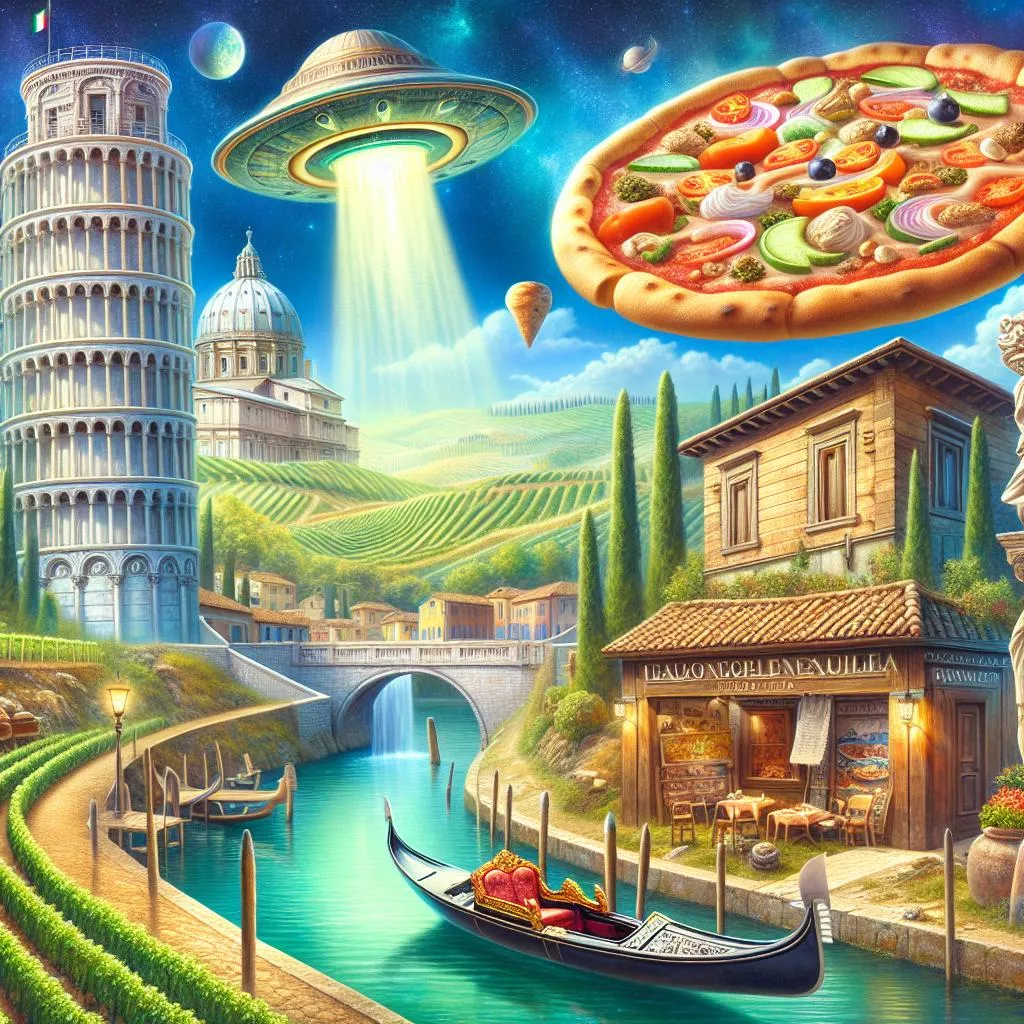
Italy has always had a unique relationship with the unusual. From mysterious medieval festivals and bizarre local superstitions to eccentric village competitions and surreal art movements, Italian culture has long embraced the strange, theatrical and unexpected. That fascination continues today, although it increasingly appears in digital form rather than only through traditional customs.
Modern online culture reflects this same attraction to unpredictability and absurd humor. Across social media and entertainment platforms, users are drawn toward quirky concepts, surreal aesthetics and fast-paced interactive experiences that feel intentionally chaotic or unconventional. Within this broader ecosystem, some internet users also encounter entertainment-oriented spaces such as chicken train, which fit naturally into the modern trend of strange, humorous and highly stylized digital experiences.
Why Italy embraces the bizarre
Italian culture has always balanced sophistication with eccentricity. Alongside world-famous art, fashion and cuisine, the country also celebrates highly unusual local traditions that often appear strange to outsiders.
Examples include:
- medieval orange battles in Ivrea
- bizarre religious processions
- costumed village festivals
- superstitions surrounding luck and football
These traditions survive because Italians often view eccentricity not as something embarrassing, but as something culturally expressive.
The internet’s obsession with absurdity
Modern digital culture increasingly rewards weirdness. The stranger an idea appears, the more likely it is to attract attention online.
This trend can be seen in:
- surreal memes
- intentionally chaotic humor
- bizarre indie game aesthetics
- random visual storytelling
Users today often enjoy content precisely because it feels unpredictable or absurd.
Why unusual digital experiences feel appealing
Part of the appeal comes from escaping repetitive online environments. Standard social media feeds often feel overly polished and algorithmically repetitive. Weird digital entertainment breaks that pattern.
Users are drawn to experiences that:
- feel unexpected
- create curiosity immediately
- rely on humor rather than realism
- avoid taking themselves too seriously
This is one reason strange internet aesthetics continue spreading across entertainment culture.
Comparing traditional entertainment and modern absurdist internet culture
| Traditional Media | Modern Internet Culture |
| Structured storytelling | Chaotic and fragmented humor |
| Clear narrative logic | Randomness and unpredictability |
| Professional presentation | Intentionally rough aesthetics |
| Passive consumption | Interactive participation |
| Stable tone | Rapid tonal shifts |
This evolution reflects broader changes in how audiences process entertainment online.
Italy, football and digital chaos
Italy’s football culture also reflects this blend of emotion and unpredictability. Serie A supporters are known for combining tactical obsession with dramatic emotional reactions, creating an atmosphere where humor, frustration and superstition constantly overlap.
Modern football communities frequently interact through:
- memes during matches
- ironic commentary
- exaggerated reactions
- surreal football edits and clips
The digital football experience increasingly mirrors the same chaotic creativity found across wider internet culture.
The rise of fast entertainment cycles
Attention spans online continue shrinking, which has encouraged entertainment formats built around quick reactions and immediate stimulation.
Popular modern digital formats often include:
- short interaction cycles
- bright visual design
- humor-driven mechanics
- instantly understandable concepts
These qualities make strange and fast-moving entertainment especially compatible with current online behavior.
Why weird aesthetics feel authentic
Interestingly, many users now distrust overly polished digital environments. Strange or awkward aesthetics often feel more human and less corporate.
This explains the popularity of:
- intentionally low-budget visuals
- surreal humor pages
- ironic internet communities
- chaotic visual identities
Audiences increasingly value originality and unpredictability over perfection.
Digital escapism and modern internet culture
One reason absurd entertainment continues growing is because it provides a form of low-pressure escapism. Users are not always searching for deep narratives or realistic experiences. Sometimes they simply want distraction that feels entertaining and unpredictable.
This type of digital escapism often works because it:
- reduces mental fatigue
- interrupts repetitive browsing habits
- creates quick emotional reactions
- encourages curiosity without commitment
The result is a more casual and playful relationship with entertainment.
The future of weird internet culture
Current trends suggest that internet culture will become even more fragmented and experimental in the coming years.
Likely developments include:
- AI-generated surreal content
- increasingly abstract humor styles
- hybrid gaming-entertainment ecosystems
- stronger blending of irony and interactivity
Italy’s long-standing appreciation for theatricality and eccentricity makes it especially compatible with this evolving online landscape.
Conclusion
From unusual festivals to surreal online humor, Italy continues to embrace forms of entertainment that feel expressive, emotional and slightly chaotic. Modern digital culture has transformed this fascination into a new type of internet experience built around unpredictability, irony and fast-moving interaction. As online audiences continue searching for entertainment that breaks routine, strange and unconventional digital spaces will likely become even more influential in shaping internet culture.

Contributing author to Weird Italy, a platform dedicated to the exploration of unique and unusual aspects of Italian culture, history, and contemporary phenomena.