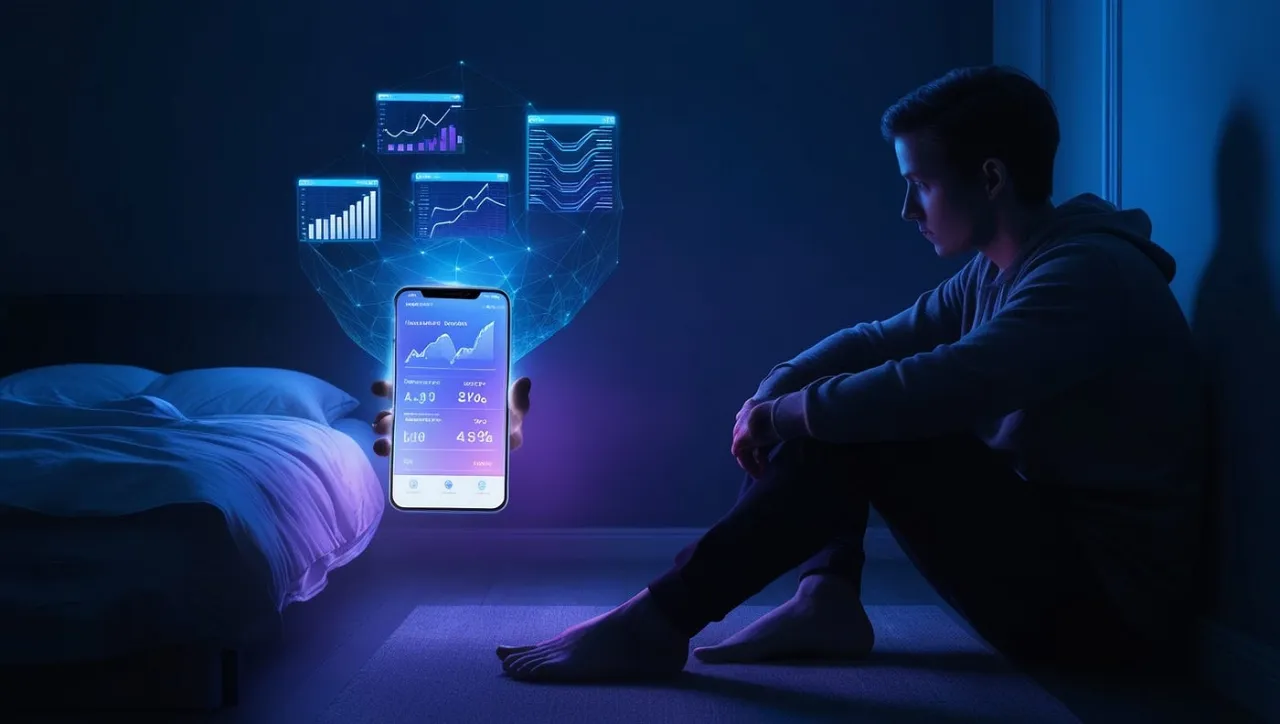
You carry your phone everywhere, even taking it to the bathroom each morning without thinking. It sleeps on your nightstand, just inches away from your face every single night. You type your thoughts, search your questions, and share your location without much thought. Have you ever stopped to think about what your phone actually knows about you? Let me explain why your phone knows more about you than your closest friends.
Your smartphone is not just a simple communication device at all. It is a powerful data collection machine that operates constantly. Every tap, swipe, and click gets recorded and analyzed somewhere far away. The companies behind your apps make huge money from this personal information. They build detailed profiles of your habits, preferences, and daily behaviors. You are not the customer here, you are the product being sold to others.
The Location Trail You Leave Everywhere
Your phone tracks your location constantly, even while you sleep at night. It records where you go, how long you stay, and builds a clear picture of your routine over time. Companies use this data to understand behavior and deliver targeted experiences.
In a similar way, online platforms analyze user activity to personalize content and offers, including environments like EliteSpin and their enchanting Elitespin Casino no deposit bonus that rely on patterns and engagement.
Here is what your location data reveals about your daily life:
- Where you live and where you work
- Which stores and restaurants you visit
- What time you wake up and go to bed
- How long your commute takes
This constant tracking allows businesses to reach you at the right moment, often without you noticing how much your habits are being analyzed.
The Microphone That Listens Without Permission
Your phone’s microphone is always ready to listen to everything you say. Smartphone data collection explained includes passive listening features that you may not know about. Voice assistants wait for their wake words, but they hear everything before those words. Your phone processes audio locally and sometimes sends snippets to servers far away. Companies use this data to understand your interests and daily needs.
Here is what your phone hears throughout the day:
| Audio Type | How It Is Used |
| Voice commands | To answer your questions |
| TV shows playing nearby | To serve relevant ads |
| Conversations with friends | To build interest profiles |
| Background noise | To determine your environment |
Turn off microphone access for apps that do not truly need it at all. Your calculator app does not need to hear your private conversations at any time. Check your settings today to see which apps have microphone permission enabled.
How Voice Assistants Really Work
Your phone listens for a specific wake word like “Hey Siri” or “OK Google” constantly. It processes audio locally to detect that word without sending any data yet. Once it hears the wake word, it starts recording and sends audio to servers. The company analyzes what you said to provide an answer or action. This means your phone is always listening, but not always recording and sending your data.
The Keyboard That Knows Your Secrets
Every word you type on your phone gets recorded and analyzed over time automatically. What your phone knows about your life includes everything you have ever written anywhere. Your keyboard app learns your vocabulary, grammar, and personal writing style gradually. It predicts your next word based on what you have typed before. This data helps the keyboard improve, but it also reveals your private thoughts.
Here is what your keyboard knows about your personal life:
- Your intimate thoughts and feelings
- Private conversations with loved ones
- Medical symptoms you search for
- Financial information you enter
Some keyboard apps sell this data to advertisers and data brokers for profit. Your private messages become part of your advertising profile without any consent. Switch to a privacy focused keyboard if this deeply concerns you. Your keyboard should not be sharing your secrets with the outside world.
The Camera That Sees Your World
Your phone’s camera captures more than just the nice photos you take on purpose. Phone tracking of your every move includes image metadata and facial recognition data collection. Each photo you take stores location, time, and device information automatically. Apps can access your camera without you actively taking pictures at all. QR code scanners, social media apps, and even games request camera access frequently.
Here is what your camera permissions often allow:
| Permission | What Apps Can Do |
| Full camera access | Take photos anytime |
| Photo library access | View and edit all images |
| Location tagging | Add GPS to your photos |
| Facial recognition | Identify people in images |
Review which apps have camera access in your phone settings today. Delete access for any app that does not need your camera to function. Your flashlight app does not need to take photos of your home.
The App Permission Problem
Most people never read the permissions they grant to new apps at all. Smartphone privacy concerns start with blindly accepting every single request that appears. A flashlight app does not need access to your contacts or location ever. A simple game does not need to read your text messages or call logs. Apps ask for far more data than they actually need to function properly.
Here is a table of common app permissions and their legitimate uses:
| Permission | Legitimate Use | Potential Abuse |
| Contacts | Finding friends | Selling contact lists |
| Location | Navigation | Tracking movements |
| Microphone | Voice recording | Eavesdropping |
| Camera | Taking photos | Spying on you |
| Storage | Saving files | Accessing private data |
Check your app permissions today and revoke any unnecessary access granted. Your photo editing app does not need your location or microphone access at all. Less access means less data for companies to collect and sell about you.
The Cross App Tracking Web
Apps share your data with each other without your explicit knowledge or consent ever. How much your phone knows about you multiplies when companies share information freely between themselves. Facebook knows what you search on Google and what you buy on Amazon. A health app can legally sell your personal data to an insurance company. Your shopping habits get combined with your location and browsing history easily.
Here is how your data flows between different companies without you knowing:
- You search for running shoes on Google’s search engine
- Google adds “runner” to your permanent interest profile
- Facebook shows you ads for upcoming running events
- Instagram suggests popular running apparel brands
- YouTube recommends running training videos to watch
This web of data follows you across every app and website you use regularly. You cannot escape your digital profile once companies have built it fully. Your data has become a product that companies buy and sell freely.
Simple Steps to Take Back Control
You cannot stop all data collection, but you can reduce it significantly starting today. Go into your phone settings and carefully review every app permission one by one. Turn off location services for apps that do not truly need it at all. Disable microphone and camera access for most applications you use daily. Use a private browser and a good VPN for additional protection online.
Here is a simple checklist for better phone privacy today:
- Review all app permissions monthly
- Turn off ad personalization completely
- Reset your advertising ID regularly
- Limit background app refresh always
- Use encrypted messaging apps only
Your phone does not need to know everything about your personal life at all. Take control of your data starting today, starting right now.
FAQ
1. Does my phone really listen to my conversations?
Your phone’s microphone is always ready for voice assistant wake words constantly. Some audio gets processed locally, and some may be sent to servers. Tech companies deny using microphone data for ad targeting purposes. But many users report eerily relevant ads after speaking about various products.
2. How can I see what data my phone has collected?
Google lets you download your collected data through the Takeout service online. Apple provides privacy reports showing which apps access your personal data. Each social media platform has a data download option in settings. You may be shocked by how much information has been stored about you.
3. Does turning off location services stop all tracking?
No, your phone can still estimate your location using Wi Fi and Bluetooth networks. Cell tower triangulation also reveals your approximate location to providers. Turning off location services stops GPS tracking, but not all tracking methods. Use airplane mode for complete location privacy when needed.
4. Which apps collect the most personal data?
Social media apps like Facebook and Instagram collect the most personal data. Google apps track your searches, location, and browsing history constantly. Free games and utility apps often sell your data to third parties. Dating and health apps collect especially sensitive personal health information.
5. Is it worth using a privacy focused phone or operating system?
Privacy focused phones like the Purism Librem 5 offer much better protection. GrapheneOS and CalyxOS are privacy oriented Android alternatives available today. These options require technical knowledge to use properly and comfortably. For most people, adjusting settings on their current phone is completely sufficient.

Contributing author to Weird Italy, , a site focused on exploring the distinctive and unconventional facets of Italian culture, history, and modern life.