Hair extensions can change your look in minutes, but comfort matters just as much as style. If you wear extensions every day, you need to know which type feels better on your head and causes less stress on your natural hair. Two popular options are halo and tape-in extensions, and they work very differently.
Halo extensions are more comfortable for daily wear because they do not attach directly to your hair or scalp, which means they put less strain on your natural hair and are easier to remove at night. Tape-ins stick to your hair with adhesive and stay in place for weeks at a time. This creates a more permanent look but requires more care and professional help.
Your choice depends on how you want to use your extensions each day. We will look at how each type feels on your head, what daily care they need, and how they fit into different lifestyles. This will help you decide which option works best for your routine and comfort needs.
Comparing Comfort: Halo Hair Extensions vs. Tape-In
The comfort level between halo and tape-in extensions differs significantly in how they attach to your head, distribute weight, and affect your natural hair over time. Halo extensions rest on top of your head like a headband, while tape-ins bond directly to small sections of your hair near the roots.
Weight and Pressure Distribution on the Scalp
Halo extensions concentrate most of their weight on the crown area where the wire rests. The wire distributes tension across a wider surface than individual attachment points. This design can feel lighter for some people because it avoids pulling on specific hair sections. However, the wire itself creates consistent pressure in one spot.
Tape-in extensions spread their weight across multiple attachment points along your head. Each tape section holds a smaller amount of hair, which reduces strain on individual strands. Quality, luxurious hair extensions in tape-in form can feel nearly invisible when applied correctly, with the right number of wefts for your hair density.
The number of tape-in wefts affects overall weight. Too many pieces create heaviness and discomfort. Your stylist should match the extension volume to what your natural hair can support comfortably.
Material and Design Differences
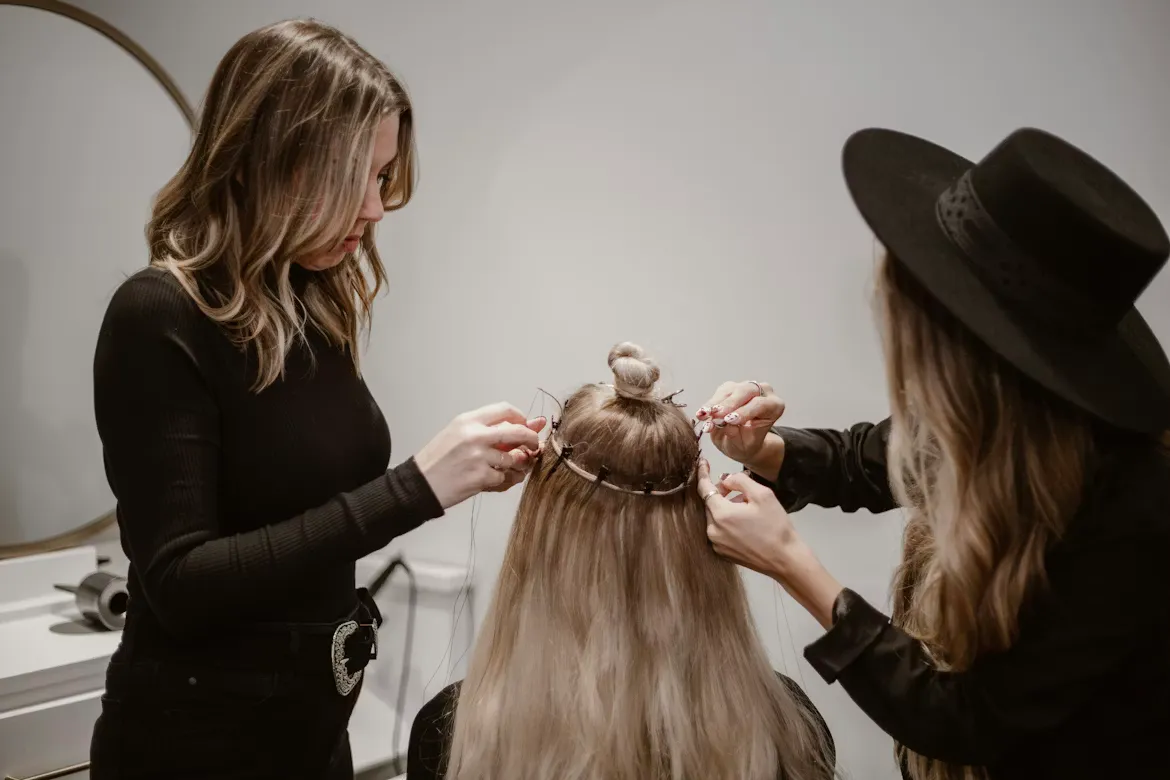
Halo extensions feature a transparent wire that sits across the crown of your head. The wire connects to wefts of hair that hang down to blend with your natural strands. You can adjust the wire to fit snugly without clips or adhesive.
Tape-in extensions use thin polyurethane or medical-grade tape strips. These strips sandwich small sections of your natural hair between two wefts. The adhesive bonds create a flat attachment point that lies close to your scalp.
The halo design allows you to remove the extension at night or during workouts. Tape-ins stay attached 24/7 for six to eight weeks. The temporary nature of halos means less commitment but requires daily application if you want consistent wear.
Ease of Application and Removal
You can put on halo extensions in under five minutes without professional help. You simply place the wire on your crown and adjust it to sit securely. The process requires no tools or special training. Removal takes even less time since you just lift the wire off your head.
Tape-in application demands professional installation. A stylist sections your hair and applies each weft with precision to avoid bumps or visible lines. The appointment typically takes one to two hours for a full head. You need salon visits every six to eight weeks for repositioning as your hair grows.
The daily removal option with halos gives you flexibility for sleep and exercise. Many people find sleeping with tape-ins uncomfortable at first because the attachment points can press against your pillow.
Impact on Natural Hair Health
Halo extensions cause minimal damage to your natural hair because they don’t use adhesive or heat. The wire might create slight tension, but you can adjust the tightness to reduce pressure. You control the wear time, which lets your scalp rest between uses.
Tape-in extensions can stress your hair follicles if applied too tightly or if you use too many wefts. The adhesive requires special removal solution, and improper removal can pull out natural hair. Regular maintenance appointments help prevent damage by repositioning the tapes before they slide down too far.
Both extension types require you to brush carefully to avoid tangles. Tape-ins need more maintenance because you wear them constantly, which exposes them to more friction from pillows and clothing. Your natural hair underneath the tapes can become matted if you don’t brush thoroughly at the roots.
Long-Term Wear: Daily Maintenance and Lifestyle Factors
Halo extensions require less daily upkeep because they detach at night, while tape-ins stay in place for weeks but need careful washing and product selection to maintain the adhesive bond.
Suitability for Sensitive Scalps
Halo extensions work well for sensitive scalps because they don’t attach directly to your hair or skin. The wire sits on top of your head without any glue, tape, or clips that pull on your roots. You can remove them at any time if you feel discomfort.
Tape-ins use medical-grade adhesive that bonds to your natural hair close to the scalp. The tape can sometimes irritate sensitive skin, especially if you have allergies to adhesives. Additionally, the constant weight near your roots may cause tenderness over time. You need to avoid oil-based products near the tape because oils break down the adhesive and cause slippage.
If you already deal with scalp sensitivity or conditions like psoriasis, halo extensions offer more control. You decide when to wear them and can give your scalp breaks throughout the day or week.
Styling Versatility and Security
Tape-ins provide more security for active lifestyles because they stay attached to your hair 24/7. You can wear high ponytails, buns, and updos without worry about the extensions shifting or showing. The flat tape wefts lie smooth against your head and blend seamlessly with your natural hair.
Halo extensions have a visible wire that limits your styling options. High ponytails and updos may expose the wire, though you can cover it with strategic placement of your natural hair. The wire stays secure through normal daily activities but may shift slightly if you move vigorously.
Both types allow you to use heat tools like straighteners and curlers. However, you must avoid applying heat directly to the tape bonds because high temperatures damage the adhesive. Halo extensions give you complete freedom to style without restrictions since there are no attachment points to protect.
Sleep, Exercise, and Daily Activities
You should remove halo extensions before bed each night. This takes just seconds and protects both the extensions and your natural hair from tangling. You also avoid any discomfort from the wire while you sleep.
Tape-ins stay in place while you sleep, but you need to braid your hair or tie it loosely to prevent matting. The constant wear means you must be gentle to avoid putting stress on the bonds.
For exercise, tape-ins handle sweat and movement better because they don’t shift. You can swim, run, and do yoga without adjustments. Halo extensions work for moderate exercise but may feel uncomfortable or slip during intense workouts. You need to secure the wire properly and avoid activities that involve a lot of jumping or rapid head movement.
Conclusion
Your choice between halo and tape-in extensions depends on your daily routine and comfort needs. Halo extensions work best if you want a temporary option that takes seconds to apply and removes easily without any damage to your natural hair. Tape-in extensions suit those who prefer a semi-permanent solution that lasts several weeks and feels secure for active lifestyles.
Consider your hair type, maintenance preferences, and how much time you want to spend on your extensions each day. Both options can look natural and beautiful, but halos offer more flexibility while tape-ins provide long-term wear.
Featured image: Unsplash
