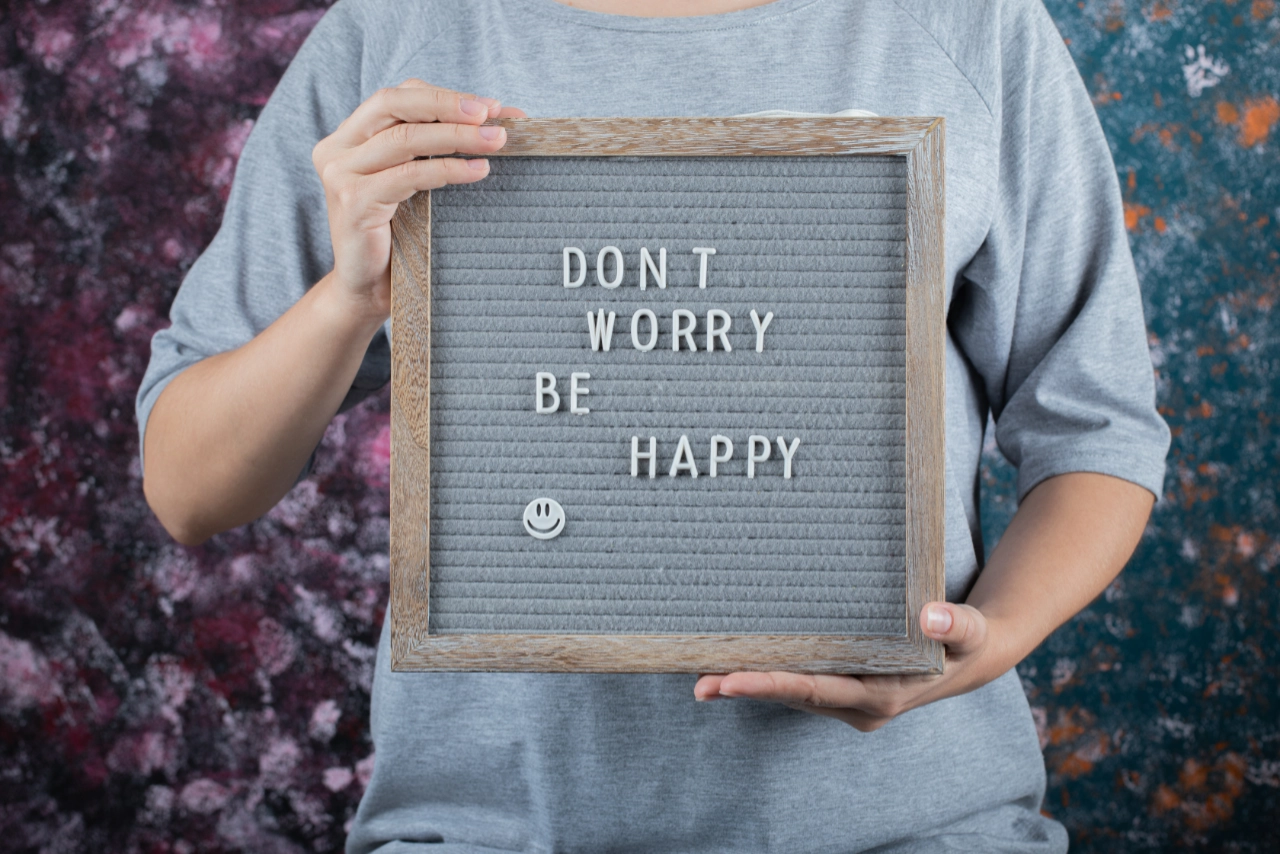
Canvas art is more than decoration. What you see on your walls shapes how you think, feel, and act. Motivational canvas art works quietly in the background of your daily life, reinforcing ideas, emotions, and habits without demanding attention.
This article explains how canvas art influences your mindset every day. It covers the psychology behind visual cues, how motivational messages affect behavior, where canvas art works best, common mistakes people make, and how to choose the right pieces for lasting impact.
The focus is practical, clear, and based on how people actually live and work.
Why Visual Environment Matters More Than You Think
Your brain constantly processes visual information. Walls are not neutral space. Empty walls send one message. Busy walls send another. Intentional canvas art sends a clear signal about values, goals, and identity.
Unlike digital reminders, canvas art is always present. You do not scroll past it. You do not mute it. Over time, repeated exposure shapes perception and emotional response.
This effect is subtle but consistent. The mind adapts to what it sees every day.
How the Brain Responds to Repeated Visual Cues
The brain uses repetition to decide what matters. When a phrase, image, or symbol appears daily, the mind starts treating it as familiar and important.
Motivational canvas art works through:
- Visual priming
- Emotional association
- Habit reinforcement
- Identity shaping
These processes happen automatically. You do not need to consciously read the message every time for it to have an effect.
Canvas Art Versus Temporary Motivation
Short-term motivation comes from videos, talks, or social media. Canvas art supports long-term mindset alignment.
Key differences include:
| Factor | Canvas Art | Digital Motivation |
| Exposure | Constant | Occasional |
| Effort required | None | Active |
| Distraction risk | Low | High |
| Longevity | Years | Minutes |
Because canvas art stays in place, it becomes part of your environment rather than an event.
What Makes Motivational Canvas Art Effective
Not all canvas art changes mindset. Some pieces are ignored. Others become visual anchors that influence thought patterns.
Effectiveness depends on clarity, relevance, and placement.
Clear Messages Beat Complex Designs
Motivational canvas art works best when the message is simple. Short phrases, bold imagery, and direct language are easier for the brain to process.
Effective examples focus on:
- Action-oriented words
- Emotional clarity
- Personal relevance
Overly abstract designs may look good but often fail to influence daily thinking.
Personal Meaning Drives Real Impact
Generic quotes can inspire briefly. Personal meaning sustains influence.
Canvas art has stronger impact when it reflects:
- A personal goal
- A value you care about
- A challenge you face daily
- A reminder of progress
The brain reacts more strongly to visuals tied to lived experience.
Consistency With Your Identity
Motivational canvas art reinforces identity when it aligns with how you see yourself or how you want to see yourself.
For example:
- A disciplined person benefits from reminders about consistency.
- A creative person benefits from art that celebrates curiosity.
- A leader benefits from messages about responsibility and growth.
When art conflicts with identity, it is often ignored.
How Motivational Canvas Art Shapes Daily Mindset
Mindset is built from repeated thoughts. Thoughts are influenced by environment. Canvas art becomes a steady input into that loop.
Morning Influence
The first things you see in the morning affect your tone for the day. Canvas art in bedrooms, hallways, or near mirrors sets emotional direction before distractions begin.
Positive morning effects include:
- Reduced mental friction
- Clear intention
- Emotional grounding
This is not about instant happiness. It is about orientation.
Reinforcement During Stressful Moments
During stress, the brain looks for familiar signals. A motivational canvas can act as a stabilizer.
Instead of reacting impulsively, visual reminders help:
- Reframe problems
- Encourage patience
- Reduce emotional overload
This effect is strongest when the message is short and emotionally neutral.
End of Day Reflection
Canvas art visible in the evening supports reflection rather than stimulation. Messages focused on effort, learning, or gratitude help close the day without mental clutter.
This improves emotional recovery and sleep readiness.
Canvas Art in Different Spaces and Its Effects
Placement matters as much as content. The same canvas art can have different effects depending on location.
Home Office and Workspaces
In work areas, motivational canvas art influences productivity and focus.
Effective themes include:
- Progress over perfection
- Consistency
- Problem-solving
- Long-term vision
Avoid aggressive or pressure-heavy messages. They increase stress and reduce creative thinking.
In shared areas, canvas art shapes group mood and social behavior.
Effective choices emphasize:
- Calm confidence
- Shared values
- Positivity without pressure
These spaces benefit from visual balance rather than direct commands.
Bedrooms and Personal Areas
Bedrooms are for rest and identity reinforcement. Motivational canvas art here should be subtle and reassuring.
Good themes include:
- Self-trust
- Growth
- Acceptance
- Quiet confidence
Avoid competitive or deadline-driven messages in these spaces.
The Psychology Behind Motivational Canvas Art
Understanding why canvas art works helps you choose better pieces.
Visual Anchoring
An anchor is something the brain associates with a state of mind. Over time, canvas art becomes an anchor for focus, calm, or determination.
Repeated exposure links the image to emotional responses.
Cognitive Framing
Words and images frame how you interpret experiences. A simple phrase on canvas art can shift perception without effort.
For example:
- A setback becomes feedback.
- A delay becomes preparation.
- A challenge becomes practice.
This framing happens gradually but consistently.
Reduced Decision Fatigue
Motivational canvas art reduces mental load by reminding you of priorities. You spend less energy deciding how to respond and more energy acting.
This is especially useful in high-pressure environments.
Common Mistakes People Make With Motivational Canvas Art
Many people buy canvas art that looks good but does nothing for mindset.
Choosing Style Over Substance
Design matters, but message matters more. Art that only matches furniture often gets ignored mentally.
Ask one question before buying: Does this say something I need to remember?
Overcrowding Walls
Too many pieces dilute impact. When everything is motivational, nothing stands out.
One strong canvas art piece works better than five weak ones.
Using Negative Pressure Language
Phrases that shame or pressure may backfire. They increase anxiety and resistance.
Avoid messages that imply failure or urgency without context.
Ignoring Lighting and Visibility
If you cannot see the art clearly, it cannot influence you. Poor lighting or awkward placement reduces effect.
Canvas art should be visible without effort.
How to Choose Canvas Art That Actually Works
Choosing the right canvas art is a practical decision, not an emotional impulse.
Step 1: Identify the Mindset You Want
Be specific. Do not choose generic motivation.
Examples:
- More patience during work
- Better focus in the morning
- Confidence during decisions
- Calm during uncertainty
Step 2: Match Message to Location
Choose messages that fit the emotional role of the space.
Work areas need clarity. Rest areas need reassurance.
Step 3: Keep the Message Short
The brain prefers simplicity. One clear idea beats a paragraph.
Step :4 Choose Timeless Over Trendy
Trends fade. Mindset reminders should last.
Avoid slang or temporary references that lose relevance.
Step 5 Prioritize Quality
Canvas art lasts longer than posters. Texture, print quality, and framing affect how seriously the brain treats the message.
Cheap visuals often feel temporary and are ignored.
Motivational Canvas Art Versus Other Decorative Options
Not all wall decor influences mindset equally.
| Decor Type | Mindset Impact | Longevity | Effort Required |
| Canvas art | High | Long-term | None |
| Posters | Medium | Short-term | Low |
| Digital screens | Variable | Temporary | High |
| Wall decals | Low to medium | Medium | Low |
Canvas art stands out because it combines permanence with visual warmth.
How Long It Takes to Notice Effects
Motivational canvas art does not change mindset overnight.
Typical timeline:
- First week: Awareness
- First month: Familiarity
- Three months: Emotional association
- Six months: Habit reinforcement
Consistency matters more than intensity.
Does Motivational Canvas Art Work for Everyone
Canvas art influences most people, but results vary based on personality and environment.
It works best for people who:
- Spend time in the same spaces daily
- Respond to visual cues
- Prefer subtle reminders
- Value environment design
It is less effective in cluttered or constantly changing spaces.
Frequently Asked Questions
Is canvas art better than framed prints
Canvas art feels more integrated into the space. It reduces visual barriers and feels less formal, which helps emotional connection.
Can motivational canvas art become background noise
Yes, if overused or poorly chosen. This is why simplicity and relevance matter.
Should canvas art include text or just images
Both can work. Text provides clarity. Images offer emotional tone. The best choice depends on your goal.
How many motivational canvas art pieces should a room have
One to two maximum. More reduces impact.
Does color matter in canvas art
Yes. Soft colors calm the mind. High contrast increases alertness. Choose based on space function.
Can canvas art help with productivity
Yes, when placed in workspaces and paired with clear, supportive messages.
Long Term Benefits of Motivational Canvas Art
Over time, canvas art contributes to:
- Emotional stability
- Clearer priorities
- Reduced mental clutter
- Consistent self-talk
- Stronger sense of identity
These benefits come from alignment, not inspiration spikes.
Final Thoughts
Canvas art shapes mindset through repetition, presence, and emotional association. Motivational canvas art works because it becomes part of your environment, not another task.
When chosen carefully and placed intentionally, canvas art reinforces how you think, how you respond to stress, and how you approach daily challenges.
The goal is not constant motivation. The goal is quiet alignment.
When your environment supports your mindset, progress becomes easier and more natural.
Featured image: Freepik
