Italy’s reputation for passion, artistry, and playful spirit goes far beyond cuisine and Renaissance masterpieces. Hidden in its piazzas, gaming halls, and centuries-old taverns is a living tapestry of games that trace the country’s impulses toward chance, skill, and communal celebration. Some of these amusements morphed into global gambling phenomena, while others remained proudly local, treasured as markers of identity and memory.
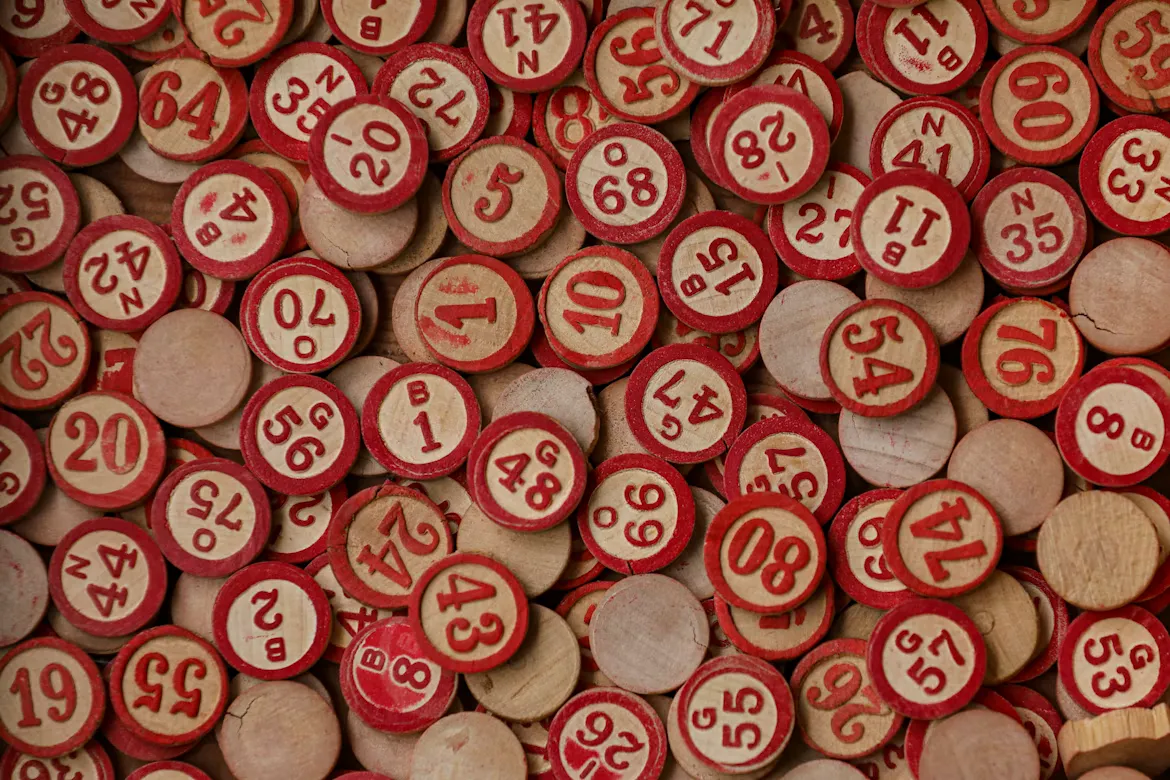
Take baccarat, for instance, which first appeared in the late 1400s as “baccara,” a card game linked to early Italian tarrochi traditions. Initially, players competed against one another instead of a house, wagering on hands valued closest to zero. Its simple yet tense gameplay, combined with an elegant aesthetic, helped it sweep across Europe and become a casino staple. Close behind is bingo, born in 1530 from the Italian national lottery Il Gioco del Lotto d’Italia. What started as a pastime for Italian nobles eventually crossed borders, evolved through inventive tinkering like Cowell’s waterproof cards, and found its modern name in Edwin S. Lowe’s American game halls.
Biribi, often considered a rustic ancestor of roulette, occupies a more shadowy corner of Italy’s gaming past. Popular during turbulent periods, it dealt in low stakes and high suspense. Players wagered on numbered slots arranged on a board, hoping luck would land on their chosen mark. Whether invented by playful nuns or desperate soldiers killing time, its spirit carried seamlessly into roulette’s later refinement. Despite the centuries between them, these titles remain the foundation of any successful brand, and even with new social casino platforms, which reflects the lasting global appeal of these games.
Yet Italy’s gaming culture is not defined by casinos alone. Wander through rural villages or old neighborhoods, and you’ll find amusements that survive simply because they are fun. Bocce, one of the oldest precision games in the world, thrives in quiet courtyards where players strategize over the arc of a rolling ball. Morra turns prediction into theater as opponents shout their guesses and flash fingers with lightning speed. Scopone, a cunning 18th-century card duel, still stirs rivalries in cafés where the clack of saucers keeps rhythm with shuffling decks.
These games may not involve shimmering tables or flashing digital screens, but they embody the same instinct that fueled Italy’s more famous gambling exports: the thrill of uncertainty shared with others. Consider Pallone col Bracciale, once the darling of Renaissance spectators, where athletes wield spiked wooden bracciali to launch balls down grand courts. Or the rustic Ruzzola del Formaggio, in which wheels of pecorino cheese hurtle along country roads to the cheers of onlookers. They reveal a culture that found amusement everywhere, from monasteries to marketplaces.
Italy’s playful soul is vast and eclectic. Whether you’re watching bocce under a fading sunset or trying your luck in a modern casino, you’re participating in a lineage that runs for millennia. These games are more than pastimes; they are relics of communities, stories, and the enduring human urge to gather, compete, and revel in chance.
Featured image: Unsplash

Contributing author to Weird Italy, , a site focused on exploring the distinctive and unconventional facets of Italian culture, history, and modern life.