
Fashion trends come and go faster than you can say “statement sleeves,” but a well-built wardrobe stands the test of time. Building a closet that works through every phase of your life isn’t about chasing the latest runway looks or filling your space with cheap fast fashion. It’s about making smart choices that adapt to your changing body, lifestyle, and priorities while keeping you looking polished and confident at any age.
Why Your Wardrobe Should Adapt to Life’s Changes
Life brings unexpected changes, and your clothing should adapt accordingly. Career shifts might call for different dress codes, while physical changes require new fits and silhouettes.
Even major celebrations require thoughtful planning — brides over 60 often find that traditional bridal shops don’t cater to their sophisticated style preferences, making a well-curated wardrobe essential for finding elegant alternatives that feel authentic and age-appropriate. The same principle applies to every life milestone: having quality basics means you’re always prepared for whatever comes next.
Start with Quality Basics That Last
Your wardrobe’s foundation should consist of pieces you can wear repeatedly without feeling repetitive. A well-fitted white button-down shirt works for job interviews, school events, and dinner dates. Classic straight-leg trousers in navy or black pair with everything from blazers to casual sweaters.
Invest in these core pieces:
- A blazer in a neutral color that fits your shoulders perfectly
- Two pairs of well-fitted jeans in different washes
- A little black dress that flatters your figure
- Comfortable flats and one pair of versatile heels
- A quality wool coat for cold weather
- Basic tees and tanks in white, black, and gray.
These items form the backbone of countless outfits. Quality basics cost more upfront but pay dividends over years of wear. Look for natural fibers when possible — they age better and feel more comfortable against your skin.
Choose Colors That Work Together
A cohesive color palette makes getting dressed easier and ensures everything in your closet plays well together. Pick three to four neutral colors as your base — think navy, gray, cream, and black. Then add two accent colors that you love and that flatter your skin tone.
This approach means you can grab almost any two pieces from your closet and create a put-together look. It also makes shopping simpler because you know exactly what colors to look for. When you spot a great piece in a color that doesn’t fit your palette, walk away. That amazing purple sweater might look fantastic in the store, but if nothing else in your wardrobe coordinates with it, you’ll never wear it.
Adapt Your Fit as Your Body Changes
Your body will change throughout your life, and your clothes should change with it. This doesn’t mean completely overhauling your style every few years, but rather adjusting cuts and silhouettes to flatter your current figure.
Pay attention to how clothes make you feel. If your favorite jeans suddenly feel uncomfortable or unflattering, it’s time to try a different cut. Maybe you need a higher waist or more room through the hips. The style you loved in your twenties might not serve you in your forties, and that’s perfectly normal.
Regular wardrobe evaluations help you stay current with your body’s needs. Try everything on at least once a year and honestly assess what still works. And remember that tailoring can extend the life of quality pieces that just need minor adjustments.
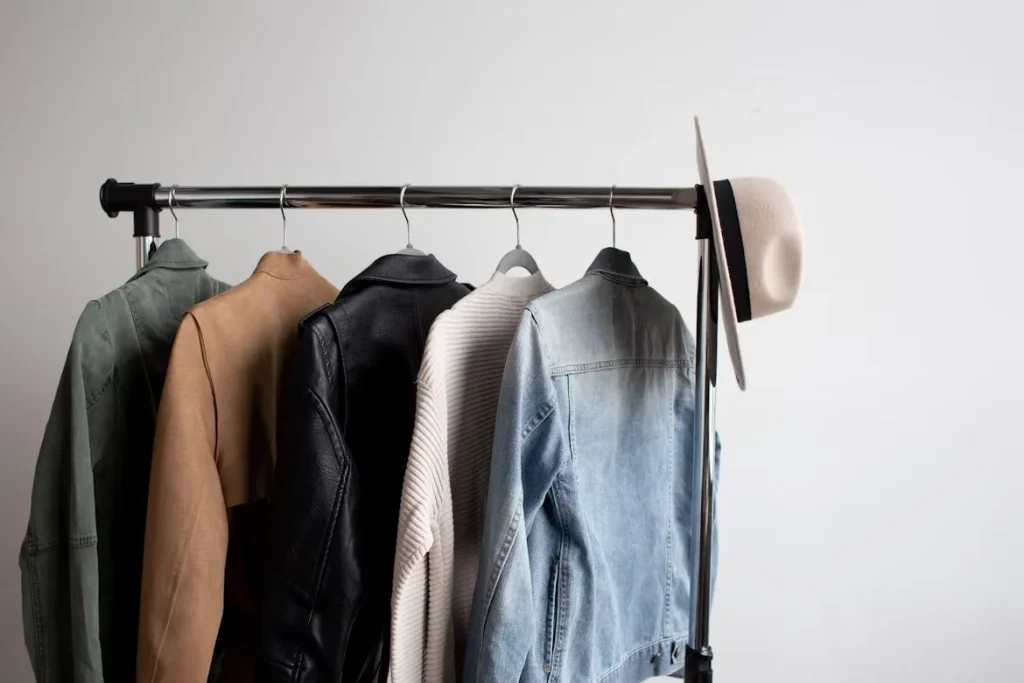
Balance Trends with Timeless Pieces
You don’t have to ignore trends completely, but approach them strategically. Use accessories and less expensive pieces to experiment with current styles while keeping your core wardrobe classic.
A trendy scarf can update a basic outfit without requiring a major investment. Statement jewelry, bags, and shoes let you play with current looks while keeping your foundation solid. When a trend really speaks to you, ask yourself if you can see yourself wearing it in five years. If the answer is no, either skip it or buy an inexpensive version.
Plan for Different Life Phases
Your clothing needs will shift as your life changes. New parents require machine-washable pieces and comfortable fits. Career climbers might need more professional attire. Empty nesters often want to refresh their style entirely.
Anticipate these changes when possible. If you’re planning to start a family, gradually add more casual, comfortable pieces to your wardrobe. If retirement is approaching, consider what activities you’ll pursue and how your clothing needs might change.
Building flexibility into your wardrobe means having pieces that work in multiple contexts. A midi dress works for the office with a blazer, for weekend errands with sneakers, and for dinner out with heels.
Maintain and Care for Your Investment
Quality clothes require proper care to last through multiple life stages. Learn to read care labels and follow them. Invest in good hangers, proper storage, and regular dry cleaning for pieces that require it.
Rotate seasonal items to prevent wear and fading. Store off-season clothes in breathable garment bags or cedar-lined containers. Address stains and minor repairs immediately before they become major problems.
Regular maintenance keeps your clothes looking fresh and extends their lifespan significantly. A well-maintained piece from ten years ago can look better than a new piece that’s been poorly cared for.
Shop Intentionally, Not Impulsively
Before buying anything new, ask yourself three questions:
- Do I have something similar already?
- Does this work with at least three other pieces in my wardrobe?
- Will I still want to wear this in two years?
Keep a running list of what you actually need. When you find yourself reaching for items you don’t own, check the list. This prevents impulse purchases and ensures new additions truly enhance your wardrobe.
Quality over quantity should guide every purchase. One well-made piece that you love and wear frequently is worth more than five mediocre items that hang unworn.
To sum up, building a timeless wardrobe takes patience and intention, but the payoff is enormous. You’ll spend less time deciding what to wear, feel more confident in your choices, and save money in the long run. Most importantly, you’ll have a closet that truly serves your life, no matter what changes come your way.

Contributing author to Weird Italy, a platform dedicated to the exploration of unique and unusual aspects of Italian culture, history, and contemporary phenomena.