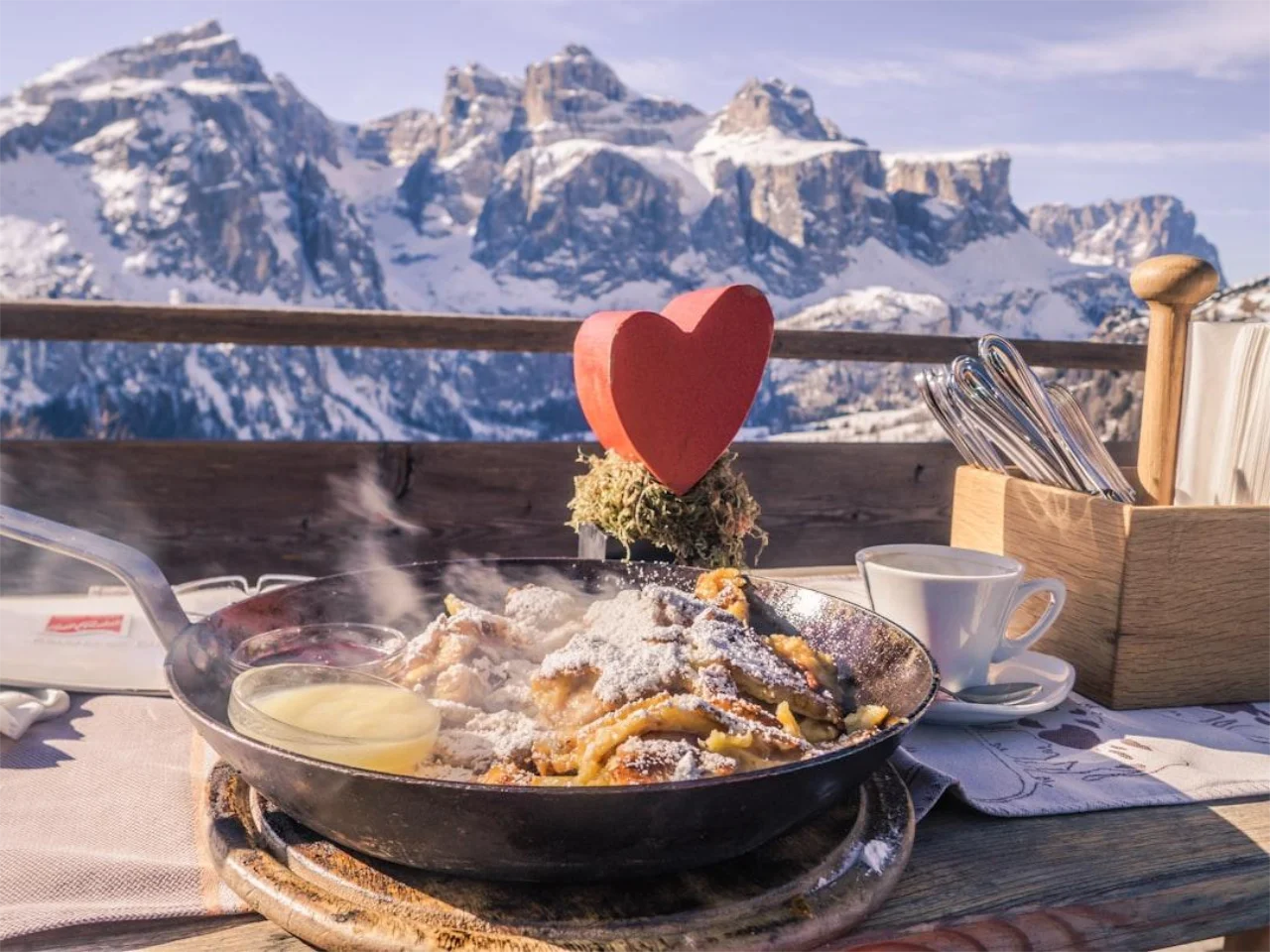
The Alps, known for their breathtaking landscapes and thrilling adventures, boast a rich culinary tradition that reflects the region’s culture and history. From hearty mountain dishes to exquisite pastries, the flavors of the Alps provide something for every palate.
When exploring this picturesque region, savoring local cuisine becomes part of the adventure, transforming each meal into a cultural experience. Each country within the Alpine range contributes its flair and produces diverse yet harmonious dishes.
How Altitude Influences Local Cuisine
At higher elevations, the weather can limit agricultural potential, which leads to a distinctive adaptation in traditional dishes. Many Alpine communities focus on ingredients that can thrive in their environment. Hearty root vegetables, hardy grains, and preserved meats dominate menus, meeting the nutritional needs of residents and adventurers. Various variations of cheese are also common, as livestock thrive in rugged terrains. These influences reflect on Alpine cuisines, which vary greatly even across short distances due to environmental considerations. Menu items, cooking methods, and flavor profiles shift dramatically from one mountain pass to another. Visitors can expect distinct gastronomic experiences in small villages compared to larger towns, making culinary exploration even more rewarding. With each meal, guests have the chance to experience the story of the land and its people.
Hearty Dishes for Outdoor Enthusiasts
After a gratifying day of hiking or skiing, nothing beats a hearty meal to rejuvenate the body. Traditional Alpine food leans heavily toward rustic and wholesome ingredients, ideal for restoration. In many Swiss chalets, that means a warm serving of raclette or fondue, both made with rich, melted cheese. Or head to an Italian rifugio and find polenta served with game meats, offering an intense flavor experience. In Austria, try a plate of Tiroler Gröstl, a comforting blend of potatoes, onions, and leftover meats that warms you from the inside out.
Each of these dishes encourages a slow dining experience, accompanied by local wines or schnapps. The use of simple ingredients speaks to the traditions of sustenance in these mountainous regions, where nourishment was necessary for survival in harsh climates. A rustic wooden cabin or a bustling mountain lodge adds to the sensation and makes every meal memorable.
Delicious Desserts to Sweeten Your Journey
No culinary adventure in the Alps is complete without indulging in local sweets. Many desserts are crafted with seasonal ingredients, and others reflect centuries of tradition. The famed Apfelstrudel, a pastry filled with spiced apples and raisins, can be found throughout the region, enjoyed warm with a scoop of vanilla ice cream.
Another beloved treat is the rich chocolate torte, popular in Switzerland. Chocolate of the highest quality is combined with eggs, sugar, and butter to create a decadent dessert that pleases the senses. Travelers should not overlook the variety of traditional cookies like Lebkuchen or Biscotti, perfect accompaniments to a late afternoon coffee. Gathering around a table adorned with these desserts becomes a communal affair that celebrates friendship and togetherness.
Exploring Local Markets and Street Food
When traveling through the Alps, local markets offer a vibrant glimpse into regional life and food culture. Farmers proudly display their seasonal produce, including fresh vegetables, fruits, artisanal cheeses, and homemade breads. Strolling through these markets, you can sample local goods like salami, cured meats, or piquant olives that are perfect for picnicking by a scenic lake. Many towns host street fairs so that vendors have the opportunity to showcase traditional dishes from local recipes.
Street food options vary from country to country, yet they still include unique twists on beloved comfort foods. In Switzerland, you might try a hearty sausage served with freshly made sauerkraut or a warm pretzel. In Austria, finish your meal with a slice of freshly baked strudel from a market stall. Engaging with local vendors and learning about their products adds another layer to your culinary experience, bringing you closer to the heart of the Alpine lifestyle.
Brewed Specialties
As much as food defines the Alpine experience, so do its beverages. Beer is an ingrained aspect of Alpine culture, and many regions pride themselves on their local breweries. German and Austrian beers, like Märzen, feature prominently during communal gatherings or festivals. Swiss breweries produce a variety of quality beers, each reflecting local ingredients and brewing traditions. Often experimented with, numerous options cater to diverse taste preferences.
Traditional spirits hold a special place within Alpine culture. Each area produces its unique take on this distilled liquor, with flavors ranging from fruity to herbal. A carefully crafted glass of schnapps can either rejuvenate after a long day outdoors or serve as an excellent accompaniment to desserts. Sampling these beverages amplifies the flavors of local dishes and showcases the craftsmanship of local producers.
Vegetarian and Vegan Options in the Alps
A noticeable shift has occurred in Alpine cuisine, welcoming more vegetarian and vegan options. Many traditional dishes are now being recreated without meat, focusing instead on fresh vegetables, legumes, and grains. Vegetable-based soups made with local herbs and seasonal produce reflect vibrant flavors. Restaurants find ways to incorporate regional specialties to cater to diverse dietary preferences.
Many chefs have embraced the concept of farm-to-table dining, actively sourcing organic and local ingredients to create innovative dishes. Stopping for a meal at a local bistro may surprise you with creative salads, cheese platters, and hearty vegetable stews that honor the land’s bounty. Now, vegetarians and vegans can enjoy the richness of Alpine cuisine.
Dine in Unique Alpine Settings
Dining in the Alps is mostly about the atmosphere. Many restaurants and lodges are set against stunning backdrops, improving the experience of enjoying a meal. Imagine sharing a raclette with friends on a terrace overlooking the mountains or enjoying a riverbank picnic with homemade treats sourced from local markets. Such moments capture the spirit of adventure and camaraderie found in the Alps.
Look into mountaintop restaurants accessible only by gondola or charming wine cellars located in scenic valleys that add memorable elements. Seasonal pop-up restaurants are gaining popularity, offering dishes made from freshly harvested local ingredients. These settings elevate the culinary experience and deepen the connection with nature.
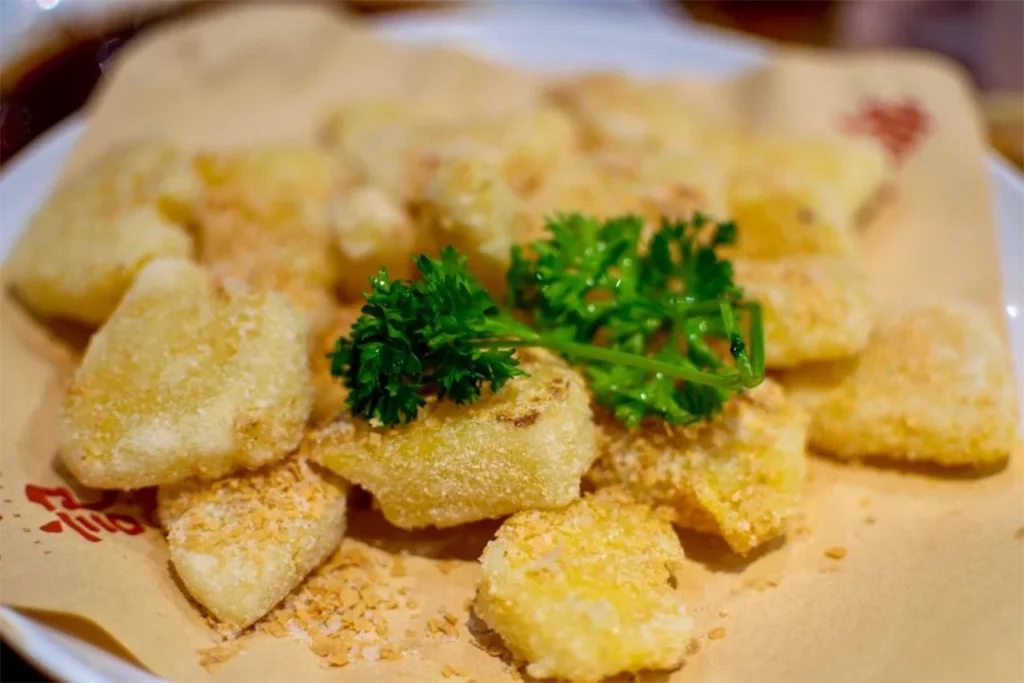
Travelers in the Alps engage in a multi-sensory culinary journey, indulging in rich flavors, picturesque settings, and engaging stories. Each dish has a unique narrative shaped by environmental conditions, historical cultures, and community bonds, creating an unparalleled dining adventure.
