Italy is a country celebrated worldwide for its incredible cuisine, offering dishes that range from rustic to refined. Traveling through its regions, you encounter a wide array of tastes and ingredients that tell stories of centuries-old traditions and local pride. The charm of Italian food lies in its simplicity—fresh, high-quality ingredients transformed into memorable meals. Whether you’re wandering through narrow streets in Rome or relaxing by the coast in Sicily, each bite brings a unique experience. This knowledge helps in savoring each dish in its intended spirit and respecting the customs behind the preparation and presentation.
Classic Pasta Dishes That Define Italy
Pasta is at the heart of Italian cooking, with endless varieties and sauces reflecting regional diversity. From the creamy carbonara of Rome to the rich ragù alla bolognese from Emilia-Romagna, pasta is often a comforting staple. In Naples, you’ll find the famous spaghetti alle vongole, a simple dish of pasta with clams, garlic, and olive oil that bursts with coastal flavors. Every region takes pride in its signature pasta shapes, like orecchiette in Puglia or trofie in Liguria, paired perfectly with local ingredients. Understanding the pairing of pasta and sauce is part of enjoying these dishes authentically, as Italians rarely mix heavy sauces with delicate pasta types. Eating pasta properly also includes the tradition of not cutting it with a knife, a subtle but important detail.
The Art of Italian Pizza
Italy is home to pizza as we know it, and nothing compares to tasting it where it originated. Naples remains the birthplace of the classic pizza Margherita, with its thin, chewy crust, fresh tomatoes, mozzarella, basil, and a drizzle of olive oil. Other styles, like the thicker Roman pizza, offer different textures and baking techniques. The ingredients’ quality is paramount, and many pizzerias take pride in sourcing local produce and using traditional wood-fired ovens. Learning the traditional Italian food dos and don’ts includes knowing that pizza is usually eaten with hands, without overwhelming toppings, allowing the base and fresh ingredients to shine. Overloading pizza with unnecessary extras is frowned upon and can detract from the experience.
Cheese and Cured Meats: Italian Delicacies
Italy’s cured meats and cheeses are integral to its culinary identity, celebrated in antipasti platters and regional specialties. Prosciutto di Parma, a sweet and tender cured ham, pairs beautifully with Parmigiano-Reggiano or fresh mozzarella. Each region produces distinct varieties, such as the spicy nduja from Calabria or the delicate Taleggio from Lombardy. These products are often enjoyed simply with bread, olives, or fresh fruit, emphasizing their natural flavors. In Italian dining culture, the sequence of courses respects the flavors and textures, meaning cheeses and cured meats are savored at specific moments rather than mixed haphazardly with other dishes.
Risotto and Seafood: The Northern Coastal Treasures
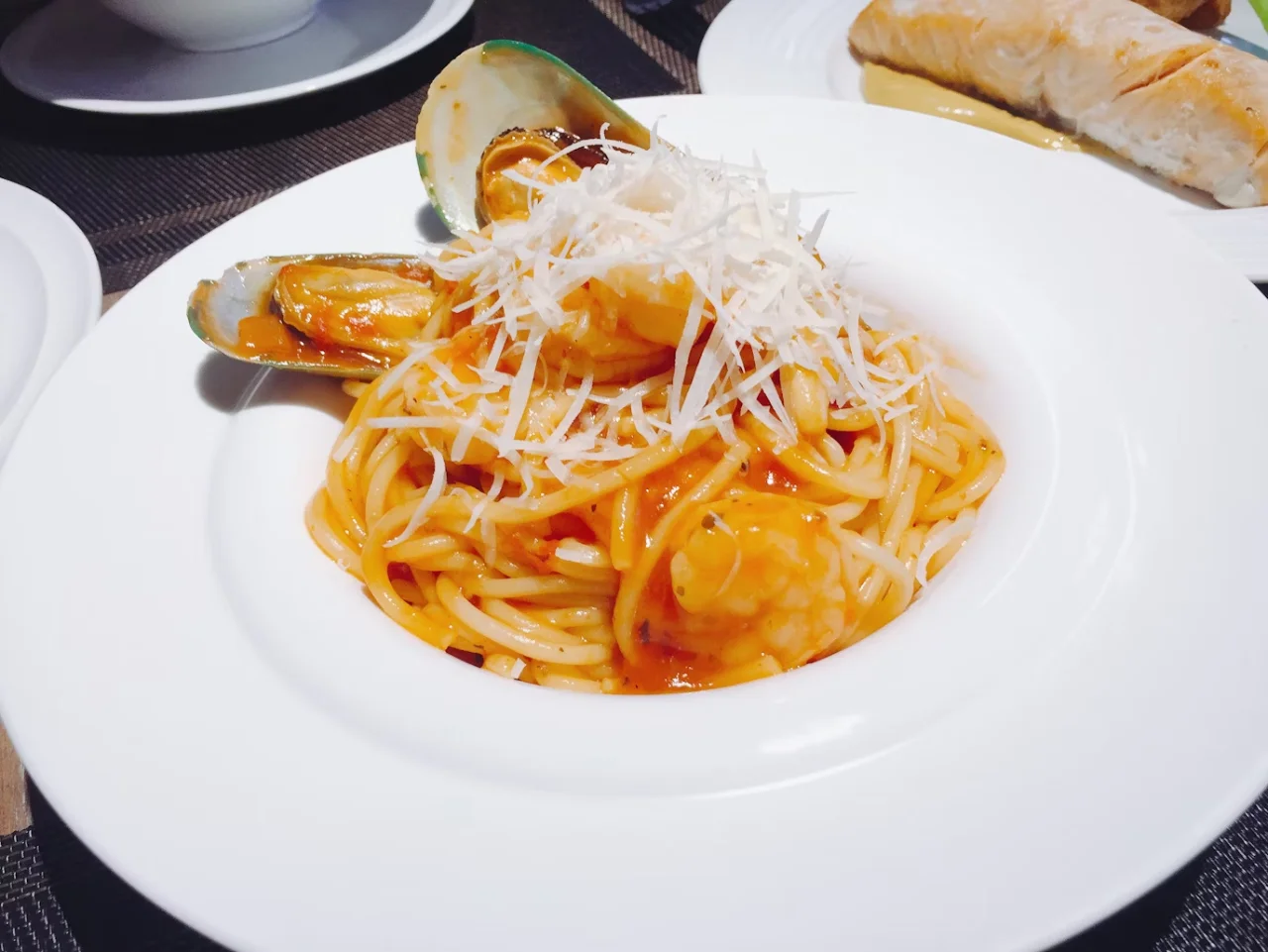
In the northern coastal regions of Italy, especially along the Ligurian and Venetian shores, risotto and seafood come together in a symphony of flavor that reflects the richness of both land and sea. Risotto, known for its creamy texture and made from starchy short-grain rice like Arborio or Carnaroli, serves as a perfect canvas for the ocean’s bounty. Dishes such as risotto al nero di seppia (squid ink risotto) and risotto ai frutti di mare (seafood risotto) showcase fresh ingredients like mussels, clams, shrimp, and cuttlefish, harvested just hours before reaching your plate. The delicate balance of briny seafood flavors, fragrant herbs, and slow-cooked rice infused with white wine and fish stock is a testament to Northern Italy’s culinary finesse. Each bite captures the coastal atmosphere—salty sea air, bustling fish markets, and the warmth of family kitchens passed down through generations. For any food lover traveling through Italy, savoring a seafood risotto by the water’s edge is an unforgettable culinary experience.
Sweet Endings: Italian Desserts Worth Trying
No meal in Italy is complete without dessert, with options that satisfy a sweet tooth while offering cultural insight. Tiramisu, with its layers of coffee-soaked ladyfingers and mascarpone cream, represents one of Italy’s most famous desserts. Gelato offers a wide range of flavors, made with less air than regular ice cream for a denser texture and richer taste. Regional sweets also tell stories; Sicilian cannoli, filled with sweet ricotta, reflect the island’s Arab influences, while Panettone, a fluffy fruit bread, marks festive occasions in Milan. Italian desserts are often light and not overly sweet, encouraging diners to savor them slowly, appreciating every bite’s balance.
Wine and Coffee: The Perfect Complements

Italian food culture is not just about the dishes on the table; the drinks that accompany a meal play an equally important role in completing the experience. Italy boasts some of the world’s most renowned wines, crafted with care in diverse regions that produce a wide range of flavors and styles. From the bold and tannic reds like Chianti and Barolo in Tuscany and Piedmont, to lighter, aromatic whites such as Pinot Grigio from the northeastern regions, wine is carefully paired with food to enhance both the dish and the drink. Wine isn’t merely a beverage in Italy—it’s a part of the ritual, where locals take time to appreciate the nuances of each sip, making the meal feel more celebratory and connected to place. Alongside wine, coffee culture holds a special, almost sacred place in daily Italian life. Espresso is the backbone of Italian coffee, enjoyed quickly and often standing at the bar in the morning or after meals. It’s common knowledge among Italians that ordering a cappuccino after lunch or dinner is a no-go, as milk-based coffees are traditionally reserved for mornings. The rhythm of enjoying coffee is quite different from many other countries—it’s a brief, intense moment of flavor rather than a leisurely sip over conversation. Whether sipping a glass of carefully chosen wine or grabbing a quick espresso, these drinks add layers of enjoyment that highlight Italy’s dedication to gastronomy as a holistic art form.
Italy’s cuisine invites everyone to explore and enjoy an array of flavors that have been perfected over generations. Tasting these must-try foods gives more than just nourishment—it offers a window into Italy’s diverse regions and rich cultural heritage. Whether indulging in pasta, pizza, cured meats, seafood, desserts, or the perfect glass of wine, each bite is a celebration of authentic traditions that continue to delight palates worldwide. Embracing the customs behind these dishes allows travelers and food lovers alike to savor the genuine spirit of Italian dining.
