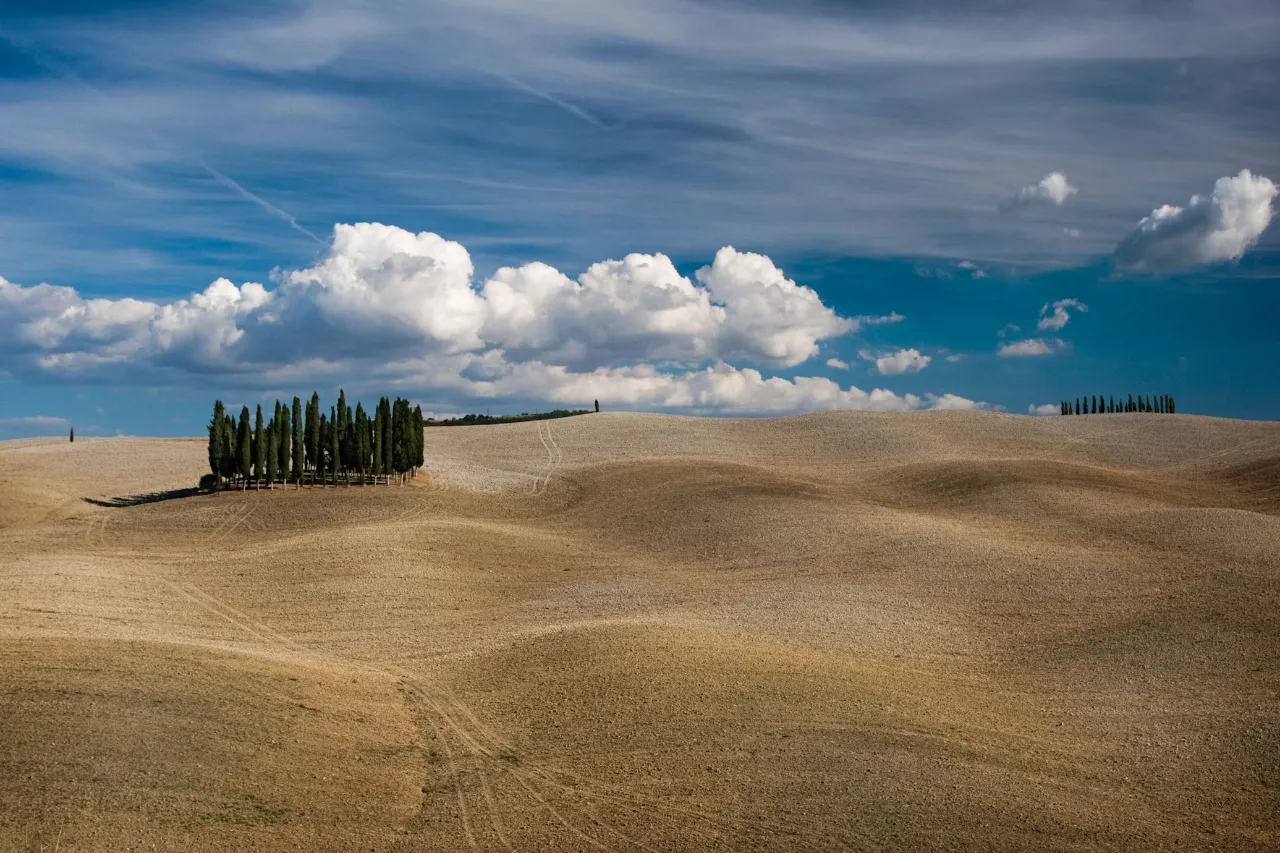
While Italy’s artistic treasures and archaeological wonders justifiably command attention, the country’s extraordinary natural landscapes offer equally rewarding experiences for travellers. From alpine peaks to Mediterranean coastlines, Italy’s diverse ecosystems provide spectacular settings for outdoor adventures and peaceful retreats alike.
- Italy’s natural diversity
Besides the renowned architecture of Florence and the ancient ruins of Rome, there’s a country of great geographical diversity. Italy’s territory encompasses three major mountain ranges, 25 national parks, and over 7,600 kilometres of coastline. According to the Isprambiente organisation, Italy is one of the most biodiverse countries in Europe, having half of European plant species and the highest number of animal species, with more than 58,000. This natural wealth remains surprisingly underexplored by international visitors. While small group tours in Italy increasingly incorporate natural attractions alongside cultural sites, many of the country’s most magnificent landscapes remain refreshingly uncrowded.
- The majestic mountains
The Dolomites, a UNESCO World Heritage Site in northeastern Italy, is one of Europe’s most incredible mountain sceneries. Their pale limestone peaks, rising sharply above alpine meadows and dense forests, create an otherworldly landscape that transforms throughout the day as changing light plays across their jagged surfaces. Besides the more accessible areas around Cortina d’Ampezzo and Val Gardena, there’s a network of hiking trails running from easy walks to challenging multi-day routes like Alta Via 1. Winter changes these same mountains into world-class skiing destinations with extensive interconnected resort areas.
- Lakes and coastlines
Northern Italy’s pre-Alpine lakes inspired poets and painters for centuries. Lake Como’s elegant villas and Lake Maggiore’s enchanting islands are refined natural beauty, and Lake Garda gives that Mediterranean microclimate that supports olive groves and citrus orchards surprisingly far north. Along the Mediterranean, Italy’s coastlines range from the rugged drama of Sardinia’s eastern shores to the cultural views of the Amalfi Coast. The “Path of Gods” hiking trail above the Amalfi Coast has breathtaking views all across the Tyrrhenian Sea toward Capri and offers a completely different perspective from the crowded coastal roads below.
- National parks and natural reserves
Italy’s commitment to conservation has created a network of protected areas preserving extraordinary ecosystems. The Cinque Terre National Park has a mix of natural beauty with cultural heritage, protecting both the coastal landscape and the centuries-old agricultural terraces that shape it. Further south, Abruzzo National Park harbours some of Europe’s rarest wildlife, including the Marsican brown bear and Italian wolf. These protected areas have become very important biodiversity reservoirs in one of Europe’s most densely populated countries.
For travellers seeking authentic connections with Italy’s natural heritage, these protected areas offer immersive experiences that reveal a different side of Italian culture—one shaped by mountains, forests, and coastal environments that have influenced regional identities and traditions for millennia.
Featured image: Unsplash
