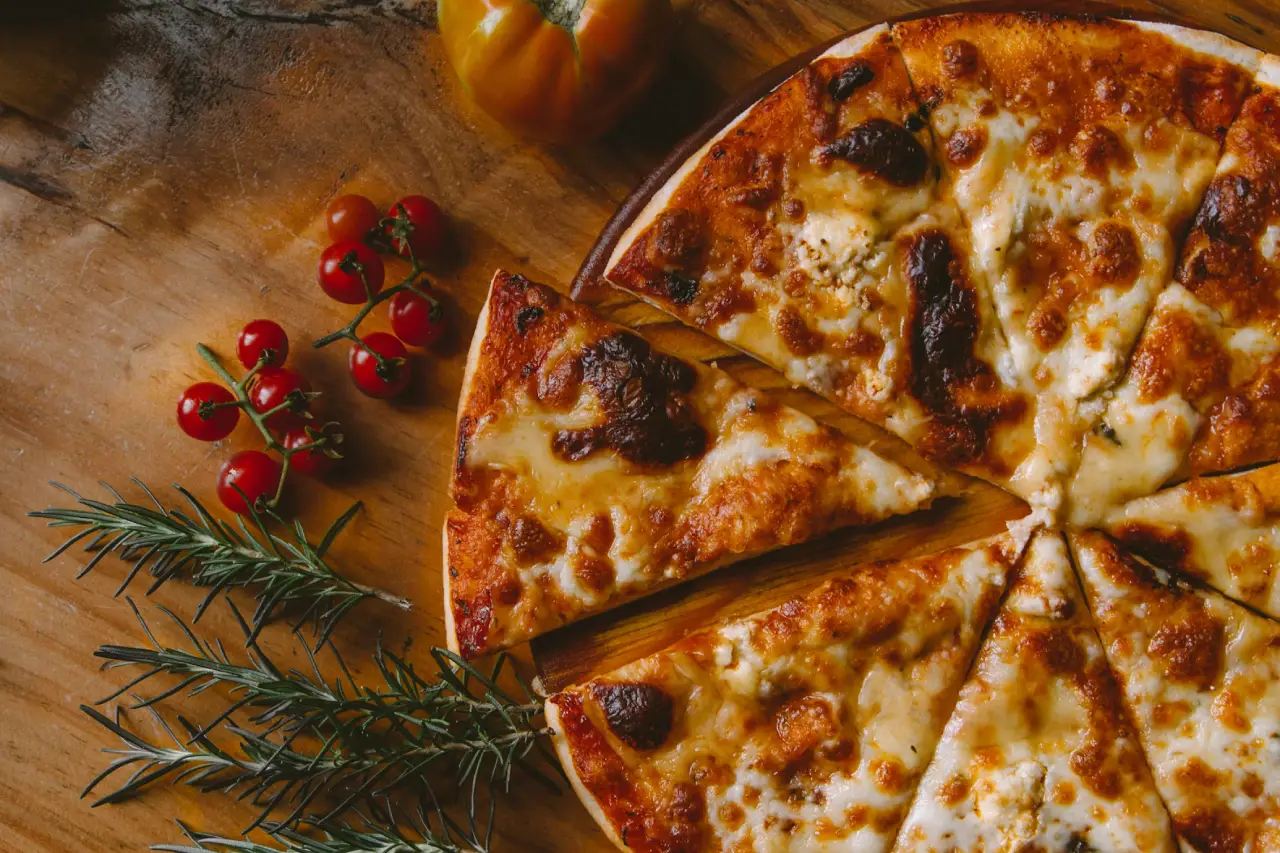
Italy’s food culture is more than a collection of delicious dishes—it’s a business model that has stood the test of time. Whether it’s a small family-run pizzeria or a luxury dining experience, Italian food businesses understand pricing, branding, and customer loyalty better than many corporations. The way pizza, in particular, has shaped local economies and global markets offers a unique perspective for business students.
Understanding these principles can be as valuable as studying traditional business theories. Learning from real-world examples is just as important as academic coursework. If you’re struggling to connect the dots in your business classes, using an academic writing service like DoMyEssay can help break down complex ideas. It’s not about shortcuts—it’s about learning how to do your homework for a high grade while improving your ability to analyze market strategies. And pizza, believe it or not, is a great case study.
Why Italian Food Culture Thrives
Italian food businesses rely on a few core principles that keep them profitable, even in changing economic conditions. The secret? They focus on simplicity, quality, and strong customer relationships.
Branding Without Gimmicks
Big brands spend millions trying to create an authentic image. Italian food businesses, on the other hand, thrive on the real thing. A family name on a pizzeria means generations of expertise. A single style of pizza—like Neapolitan—can be enough to define an entire business. Customers return not because of marketing campaigns but because the food speaks for itself.
Quality Over Expansion
Unlike fast-food chains that prioritize rapid growth, traditional Italian food businesses focus on consistency. Expanding too fast can hurt quality, which is why many top pizzerias remain small. This teaches a valuable business lesson: growth should never come at the cost of a product’s reputation.
Customer Loyalty Built on Trust
Italian restaurants don’t need complex loyalty programs. Their customers return because they trust the experience. In business, customer retention is often more valuable than new customer acquisition. Italian food culture proves that trust and authenticity are worth more than flashy promotions.
Pizza as a Business Model
Pizza is one of the best examples of how a simple product can dominate a market. The global pizza industry is worth over $150 billion, yet some of the most successful pizzerias are tiny, single-location businesses. What makes this work?
- Scarcity Creates Demand: Some of Italy’s most famous pizzerias, like Da Michele in Naples, serve only a few types of pizza. By keeping options limited, they maintain high quality while increasing demand. This is the same strategy high-end brands use—exclusivity sells.
- Pricing Strategy Matters: In Naples, a traditional margherita pizza might cost only a few euros, while in New York, a similar pizza from a high-end pizzeria can cost over $20. Understanding how markets value a product differently is key to pricing strategies in any business.
- Efficiency Without Sacrificing Quality: A well-run pizzeria operates with precision. The dough is prepped, ovens stay at the right temperature, and each ingredient is measured for consistency. This efficiency is something all businesses—whether in food, retail, or tech—can learn from.
Lessons for Business Students
Studying pizza economics isn’t just about food—it’s about understanding business fundamentals in a way that textbooks don’t always cover. Here are some key takeaways:
- Simplicity Wins
Many businesses fail because they try to do too much. Italian food culture proves that focusing on a single great product can be more effective than trying to offer everything. The most successful brands know their strengths and stick to them.
- Local Success Can Lead to Global Influence
Some of the biggest food trends started as small, local businesses. Neapolitan pizza was once just a regional dish—now it has an international certification to protect its authenticity. Business students can see how even a small idea, when executed well, can grow into something much bigger.
- Reputation Is Everything
Marketing can bring in customers, but a strong reputation keeps them. Italian businesses invest in quality over advertising, and this approach can apply to any industry. Whether you’re selling a product, service, or even building a personal brand, credibility matters.
- Know Your Market’s Willingness to Pay
A product’s worth isn’t just tied to what it costs to make—it depends on what customers are willing to pay. The same pizza that sells for a few euros in Naples can be priced at five times that in another country. Knowing how to present a product to different markets plays a major role in its success.
Why This Matters Beyond the Food Industry
The principles that keep Italian food businesses thriving apply to every sector. Whether you’re starting a tech startup, working in retail, or studying marketing, the same business lessons hold up.
- Tech Startups: The best startups solve one problem well rather than trying to do too much at once—just like a great pizzeria focuses on perfecting one style of pizza.
- E-Commerce: Italian businesses show that authenticity sells. In an era of mass production, businesses that prioritize originality stand out.
- Freelancing & Personal Branding: If you want a lasting career, prioritizing quality over quantity pays off. Like in Italian food culture, a strong reputation and trust hold the most value.
Final Thoughts
Pizza isn’t just food—it’s a business strategy. Italian food culture proves that simplicity, consistency, and authenticity are the foundation of long-term success. For business students, understanding these ideas in action is just as important as studying theories in class. Whether you’re planning to run a company or just want to sharpen your business skills, paying attention to how Italy’s food industry operates is a lesson worth learning.
Featured image: Unsplash

Contributing author to Weird Italy, a platform dedicated to the exploration of unique and unusual aspects of Italian culture, history, and contemporary phenomena.