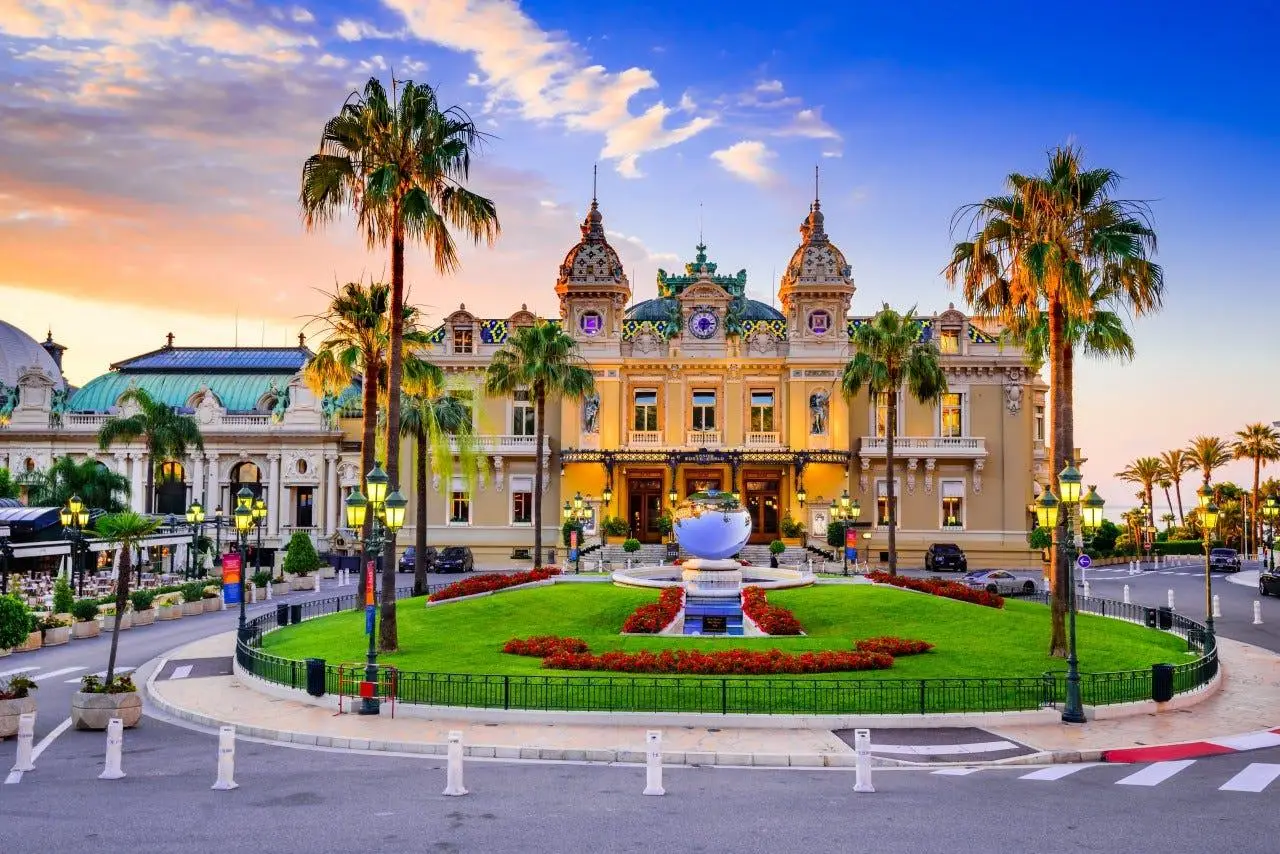
Monaco, the small but glamorous principality on the French Riviera, is synonymous with wealth, luxury, and high-stakes gambling. Over the centuries, it has transformed into a global hub for elite tourism and casino culture. This article delves into the unique history of how Monaco became Europe’s casino capital, exploring its origins, economic impact, and enduring legacy.
Monaco’s Transformation into Europe’s Casino Hub
The journey of Monaco becoming Europe’s casino capital is a fascinating tale of vision, resilience, and strategic innovation. In the mid-19th century, the principality faced financial hardship due to the loss of significant territories and limited natural resources. It was this dire situation that set the stage for Monaco’s rise as a gambling haven.
In 1856, Prince Charles III envisioned a future where Monaco could thrive by attracting wealthy tourists. To achieve this, he decided to capitalize on Europe’s growing interest in gambling. Much like modern players seeking opportunities with offers like Richard Casino free chip, Monaco aimed to create an enticing environment for visitors, ensuring they found both entertainment and value. What began as a desperate attempt to revive the economy soon became the cornerstone of Monaco’s global identity.
The Origins of Gambling in Monaco
Monaco’s journey into the gambling industry is a compelling story of necessity and innovation. Faced with economic challenges, the principality turned to gambling as a solution, paving the way for its transformation into a global gambling hub.
Historical Context and the Need for Revenue
In the mid-19th century, Monaco faced a severe financial crisis. Traditionally reliant on agriculture and trade, the principality’s economy was devastated in 1848 when it lost the territories of Roquebrune and Menton to France. These regions had been key sources of revenue, and their loss left Monaco struggling to sustain itself.
Desperate for a solution, Prince Charles III and his advisors turned to the emerging trend of gambling, inspired by successful establishments in Germany and France. At a time when gambling was gaining popularity among Europe’s elite, this move was seen as a potential lifeline to attract wealthy visitors and generate revenue. Though controversial, the plan was necessary to secure Monaco’s survival and future prosperity.
The Vision of Charles III and François Blanc
Monaco’s first attempt at establishing a casino came in 1856 with a modest gambling house in La Condamine. However, its poor location and lack of infrastructure failed to attract the desired clientele. Recognizing the need for a bolder approach, Charles III enlisted François Blanc, a renowned gambling entrepreneur who had turned Germany’s Bad Homburg casino into a thriving success.
Blanc relocated Monaco’s gambling operations to the newly developed Monte Carlo district, named in honor of Prince Charles III. Designed as a luxurious destination for Europe’s elite, Monte Carlo featured grand architecture, lush gardens, and exclusive amenities. In 1863, the iconic Monte Carlo Casino opened, becoming a beacon of sophistication and wealth.
Blanc’s innovations extended beyond the casino itself. He introduced a transportation network, including rail connections, to make Monaco accessible to international visitors. Policies tailored to high-stakes gamblers further cemented the casino’s reputation as a prestigious venue.
The Monte Carlo Casino’s success revitalized Monaco’s economy, transforming the principality into a global symbol of luxury and gambling. By the end of the 19th century, Monaco had risen from financial despair to become the epitome of wealth and exclusivity.
Top Hotels with Casinos in Monaco
Monaco’s reputation as a luxury destination extends to its world-class hotels, many of which host elegant casinos. These establishments combine opulent accommodations with thrilling gaming experiences, attracting high rollers and elite travelers from around the world. Below is a list of the top hotels in Monaco that offer exceptional casino experiences.
| Hotel Name | Casino Highlights | Additional Features |
| Hôtel de Paris Monte-Carlo | Located adjacent to the Monte Carlo Casino, this iconic hotel offers direct access to one of the world’s most famous casinos. The gaming area features high-stakes tables and exclusive VIP rooms. | Michelin-starred restaurants (Le Louis XV by Alain Ducasse), luxury spa, and stunning views of the Mediterranean. |
| Fairmont Monte Carlo | This contemporary hotel houses the Sun Casino, which offers a more relaxed gaming atmosphere with slot machines and classic table games. | Rooftop pool, renowned Nobu restaurant, and a prime location overlooking the Monaco Grand Prix circuit. |
| Monte-Carlo Bay Hotel & Resort | Home to the Bay Casino, known for its modern design and selection of slot machines and electronic gaming tables. The casino provides a casual, yet upscale gaming environment. | Lagoon-style pool, lush gardens, and a trendy nightclub (Blue Gin) with panoramic sea views. |
| Hôtel Hermitage Monte-Carlo | Although it doesn’t have its own casino, the hotel offers seamless access to the Monte Carlo Casino and the Casino Café de Paris. Guests enjoy complimentary shuttles to nearby gaming venues. | Belle Époque architecture, a private beach club, and Thermes Marins Monte-Carlo spa with state-of-the-art facilities. |
| Le Méridien Beach Plaza | Features a small gaming lounge with slot machines, catering to guests seeking a more intimate gaming experience. | The only Monaco hotel with a private beach, multiple swimming pools, and a chic beachfront restaurant. |
These hotels seamlessly blend luxurious accommodations with the excitement of gaming, making them a perfect choice for visitors looking to indulge in Monaco’s glamorous casino culture. Whether you prefer the iconic Monte Carlo Casino or the modern vibe of the Sun Casino, these properties cater to every taste while delivering exceptional service and amenities.
Economic Contributions
Gambling became a cornerstone of Monaco’s economy in its early years, with taxes from casinos accounting for as much as 95% of state revenue during the late 19th and early 20th centuries. While this reliance has diminished over time due to diversification, casinos remain a vital contributor. Today, the Monte Carlo Casino and others support Monaco’s robust financial system and its reputation as a tax haven.
In addition to direct revenue, casinos have spurred growth in complementary sectors such as hospitality, real estate, and luxury retail. The influx of affluent tourists has driven the development of world-class hotels, Michelin-starred restaurants, and exclusive shopping districts, creating a thriving ecosystem of high-end services.
Tourism and Economic Statistics
The following table highlights Monaco’s economic reliance on its luxury and gambling-driven tourism sector:
| Metric | Value | Key Highlights |
| Casino Revenue (2022) | €210 million | Monte Carlo Casino remains the largest contributor. |
| Tourism Contribution to GDP | 25% | Casinos, luxury hotels, and events like the Monaco Grand Prix drive this figure. |
| Annual Visitors | ~7 million | Many visitors are high-net-worth individuals drawn by Monaco’s exclusive appeal. |
| Average Spending per Tourist | €1,500–€2,000 | A high concentration of luxury travelers boosts spending on gambling, retail, and dining. |
| Jobs Supported by Casinos | ~5,000 | Casinos directly and indirectly support employment across multiple industries in Monaco. |
Exclusive Appeal to the Global Elite
Monaco’s strategic decision to cater to high-net-worth individuals has ensured its financial success. By offering unparalleled luxury and maintaining a reputation for exclusivity, the principality has solidified its position as a playground for the rich and famous. This strategy not only attracts gamblers but also reinforces Monaco’s image as a symbol of sophistication and opulence.
The principality hosts high-profile events, including the Monaco Grand Prix and Monte Carlo Yacht Show, which further complement its gambling sector. These events draw global elites, boosting economic activity and reinforcing Monaco’s status as a luxurious destination.
How Monaco’s Casinos Changed the World
Monaco’s casino industry has left a profound mark on the global gambling landscape, setting benchmarks in luxury, exclusivity, and innovation. Through its visionary approach, Monaco has inspired gambling hubs around the world and redefined the perception of casinos as spaces of sophistication and cultural importance.
- Setting the Standard for Luxury and Exclusivity – The Monte Carlo Casino, with its opulent Belle Époque architecture and elite clientele, established the blueprint for luxury gambling destinations. High-end resorts in Las Vegas, Macau, and Singapore have emulated Monaco’s integration of gambling with fine dining, art, and entertainment.
- The Rise of Integrated Resorts – Monaco’s ability to combine casinos with cultural and recreational attractions influenced the development of modern integrated resorts. Iconic properties like The Venetian Macau and Marina Bay Sands in Singapore owe much of their conceptual design to Monaco’s model.
- Shaping Perceptions of Gambling as an Elite Activity – Through its exclusive appeal, Monaco redefined gambling as an activity for the affluent and sophisticated. Its association with aristocrats, celebrities, and luxury events, such as the Monaco Grand Prix, reinforced the idea of casinos as prestigious spaces rather than mere gaming establishments.
- Architectural and Cultural Influence – The Monte Carlo Casino’s timeless design, created by Charles Garnier, became a symbol of elegance and refinement. This architectural legacy has inspired the design of luxury casinos and entertainment spaces worldwide.
- Inspiring Global Branding in Gambling – Monaco’s branding as a glamorous gambling haven elevated the status of casino tourism. Destinations like Las Vegas adopted similar branding strategies to attract visitors, using glamour and entertainment as central themes.
Monaco’s casino industry continues to serve as a model for innovation, cultural integration, and excellence in the global gambling scene. Its influence extends far beyond the French Riviera, shaping the way casinos are perceived and experienced worldwide.
Conclusion
Monaco’s rise as Europe’s casino capital is a testament to visionary leadership and strategic innovation. From its humble beginnings as a financially struggling principality to its status as a global symbol of luxury, Monaco has harnessed the power of gambling to achieve economic prosperity and cultural prestige.
The principality’s ability to adapt to challenges, uphold its exclusivity, and diversify its economy ensures that its casino industry remains a cornerstone of its success. As the world of gambling continues to evolve, Monaco’s unique story serves as both an inspiration and a benchmark for excellence in the global casino industry.

Contributing author to Weird Italy, , a site focused on exploring the distinctive and unconventional facets of Italian culture, history, and modern life.