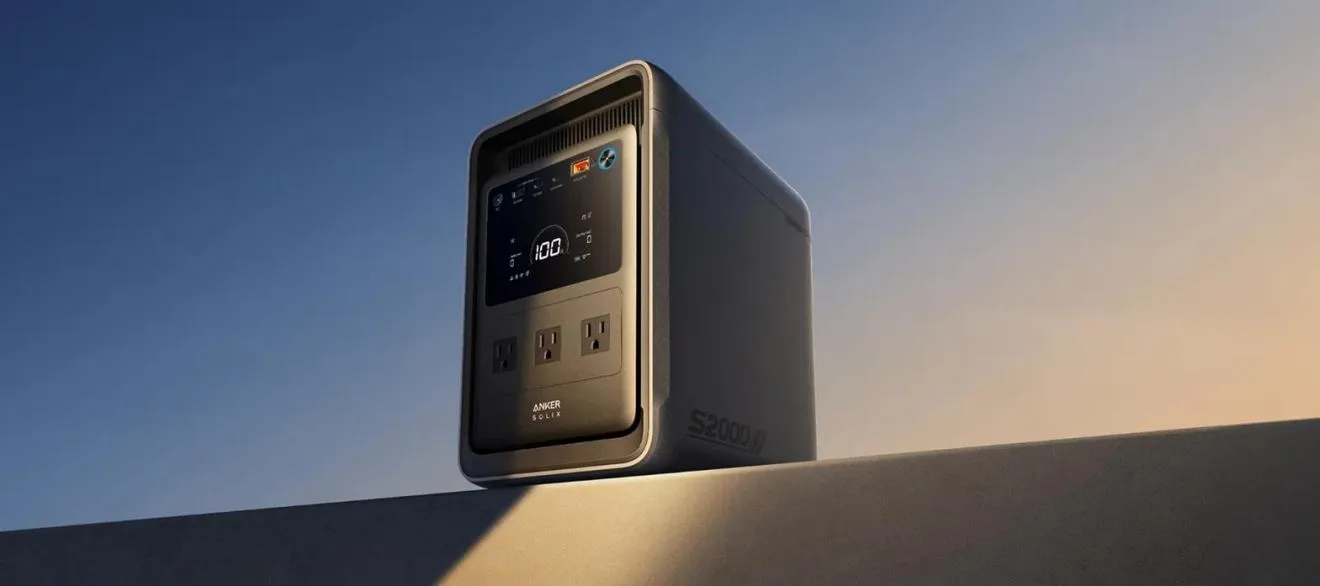
A power station can run a fridge during an outage if it has enough battery capacity, sufficient AC output, and enough surge power for the compressor at startup. Most household refrigerators do not draw their maximum wattage continuously, but they cycle on and off throughout the day, which makes portable battery backup a practical option for short and medium outages. The key is choosing a unit that can handle both the running load and the brief startup spike. You also need realistic expectations about runtime, because door openings, room temperature, and fridge size all affect power use. With the right setup, a portable power station can help protect food, reduce disruption, and keep essential cooling available until grid power returns safely.
How Long Can a Power Station Run a Fridge?
Calculate Fridge Runtime From Watt-Hour Capacity
To estimate runtime, divide the power station’s usable watt-hour capacity by your fridge’s average watt draw. For example, a 2,010Wh unit does not deliver every watt-hour to the appliance because inverter losses and battery management reduce usable energy somewhat. If your refrigerator averages 60 to 100 watts over time, expected runtime may land around 16 to 30 hours under favorable conditions. A larger fridge or one working harder may average more, reducing runtime. The best approach is to check the appliance label, then consider the cycling pattern rather than only the listed maximum watts. Startup draw matters for compatibility, but average daily consumption matters more when you want to know how long backup power will last.
What Can Shorten or Extend Fridge Runtime?
Fridge runtime changes quickly based on how the appliance is used during the outage. When using backup power for a power outage refrigerator and freezer, frequent door openings force the compressor to run more often, which drains the battery faster. A warm kitchen, direct sunlight, or adding room-temperature food also increases power demand. Older refrigerators often use more electricity than newer, efficient models. On the other hand, a full fridge usually stays cold better than an empty one because chilled items help hold the temperature. Lower ambient temperatures and tightly sealed doors can extend runtime meaningfully. Defrost cycles, ice makers, and through-door dispensers may also add to the load. If you unplug nonessential features and avoid unnecessary access to your refrigerator and freezer, your power station can keep food safely cooled for longer during a power outage.
How to Choose a Power Station for Fridge Backup
Match Battery Capacity, AC Output, and Surge Power
Choose a power station by checking three numbers: battery capacity, rated AC output, and surge capability. Capacity determines how long the fridge can run, while AC output determines whether the unit can support the compressor during normal operation. Surge power matters because refrigerators often need a brief burst of extra power when the compressor starts. A backup unit that meets running watts but not startup demand may fail to power the fridge reliably. For many homes, a model around 2kWh offers practical emergency coverage for refrigeration plus a few small essentials. Also look for low idle consumption, fast recharging, and UPS capability if you want smoother protection during sudden outages and more efficient use of stored energy.
Using the Anker SOLIX S2000 for Fridge Backup
The Anker SOLIX S2000 fits fridge backup well because its specifications address both runtime and startup needs in one compact unit. It provides 2,010Wh of battery capacity, 1,500W rated AC output, SurgePad output up to 2,600W, and 3,000W peak AC output. It also uses long-life LFP batteries and offers a 10ms UPS switchover for near-seamless outage protection. For recharging, it supports up to 400W solar input and fast AC charging, reaching 80% in as little as 1.2 hours. Anker positions it as the longest-lasting 2kWh portable power station, with real-world fridge runtime 15–30% longer than key competitors and typical fridge backup reaching 30+ hours under suitable conditions.
Tips to Keep Your Fridge Running Longer in an Outage
Reduce Power Use Without Compromising Cooling
Keep the fridge closed as much as possible. That single habit has the biggest effect on preserving cold air and reducing compressor run time. Set the temperature correctly before an outage if severe weather is expected, but avoid turning it excessively cold, which can waste energy. Move frequently used items to the front so the door stays open for only a few seconds. A fuller fridge holds temperature better, so chilled water bottles can help stabilize the interior. Turn off extra features such as ice makers or dispensers if possible. Keep the appliance away from heat sources and maintain clear airflow around the back and sides. Simple operating habits often add several useful hours of backup time.
Recharge and Manage Power During Longer Outages
For outages lasting beyond a day, plan how to recharge the power station and prioritize loads. If solar charging is available, use daylight hours to recover energy while the fridge cycles. You can also top up from AC power quickly when service returns because fast recharge reduces downtime. Avoid plugging unnecessary devices into the same power station if refrigeration is your priority. Lights, routers, and phone charging usually require little power, but high-draw appliances can shorten fridge runtime sharply. Monitor remaining battery percentage and adjust usage early rather than waiting until the battery is nearly empty. If possible, pre-cool the fridge before storms and keep a thermometer inside so you can track food-safe temperatures more confidently.

Conclusion
A power station can absolutely run a fridge during an outage when it is sized correctly for both battery capacity and compressor startup demand. For most households, the decision comes down to matching the fridge’s average energy use with a unit that offers enough stored power, reliable AC output, and practical recharging options. A model in the 2kWh class is often a strong fit for emergency refrigeration, especially when paired with smart habits such as minimizing door openings and limiting extra loads. If you want a compact option designed for home backup, the Anker SOLIX S2000 offers the right mix of capacity, surge support, fast charging, and long service life. With proper planning, you can keep food cold and avoid unnecessary spoilage during outages.
