
Operation Husky 1943: The Brutal Path to Messina (Updated 2025)
- Logistical Turning Point: Operation Husky transformed Sicily from a fascist stronghold into the primary logistical hub for the Allied liberation of Western Europe.
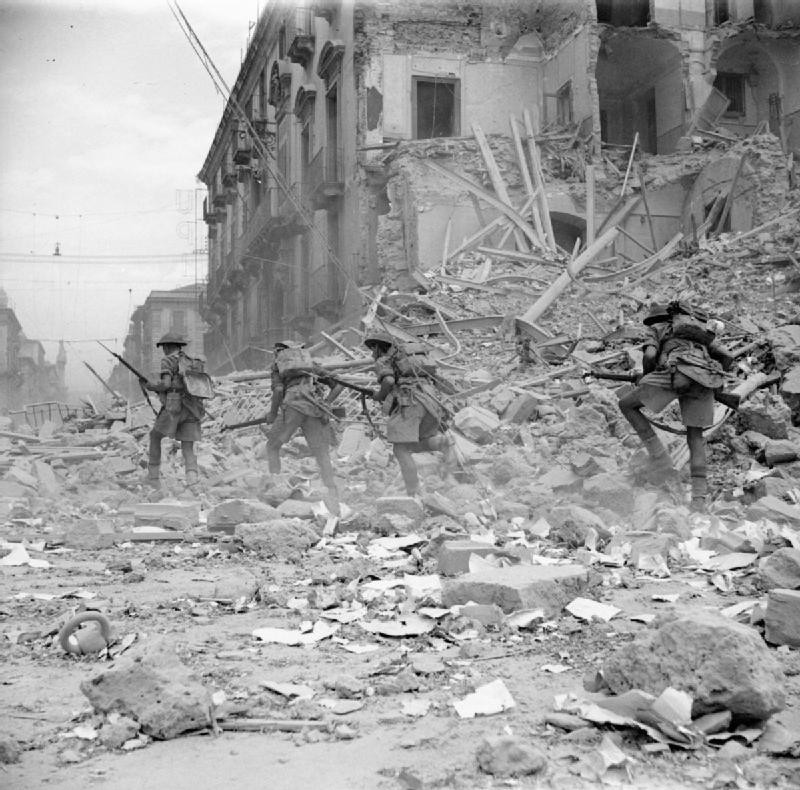
- Urban Devastation: Major cities like Palermo and Messina suffered catastrophic damage, with historical Baroque architecture reduced to rubble to secure strategic ports.
- The Human Lens: Beyond military strategy, the photography of Nick Parrino highlights the resilience of the Sicilian people as they navigated the immediate aftermath of occupation.

The photographs captured during the summer of 1943 provide a raw, unvarnished look at the physical and social transformation of Sicily as it transitioned from a fascist stronghold to the first liberated territory in Western Europe. Operation Husky represented a massive logistical upheaval that permanently altered the landscape of cities like Messina and Palermo.
The Siege of the Ports and the Fall of Palermo
When Allied forces landed on the southern coast, the primary objective was to secure deep-water ports to sustain the inland drive. Palermo, the Sicilian capital, suffered extensive damage from aerial bombardments long before the first infantrymen reached its outskirts. The images from this era show the Port of Palermo choked with the masts of sunken vessels and the ruins of the Cala district. On July 22, 1943, when General Patton’s Seventh Army entered the city, photographers recorded a population caught between the exhaustion of war and the sudden reality of occupation. The streets, once lined with grand Baroque architecture, became corridors of rubble where American GIs handed out rations to civilians.
The Scorched Path to Messina
The campaign moved eastward toward the base of Mount Etna, where the resistance grew more desperate. Towns like Randazzo and Troina were nearly leveled by artillery duels. The photographs documenting the final push toward Messina illustrate the “Siegfried Line” mentality of the retreating German forces, who utilized the rugged volcanic terrain to stall the Allied advance. Messina itself, already scarred by the 1908 earthquake, was subjected to intense bombing to prevent the Axis evacuation across the strait. By the time British and American forces met in the city on August 17, the urban center was a skeleton of its former self, yet it marked the total clearance of Axis troops from the island.
Nick Parrino and the Human Cost of Victory
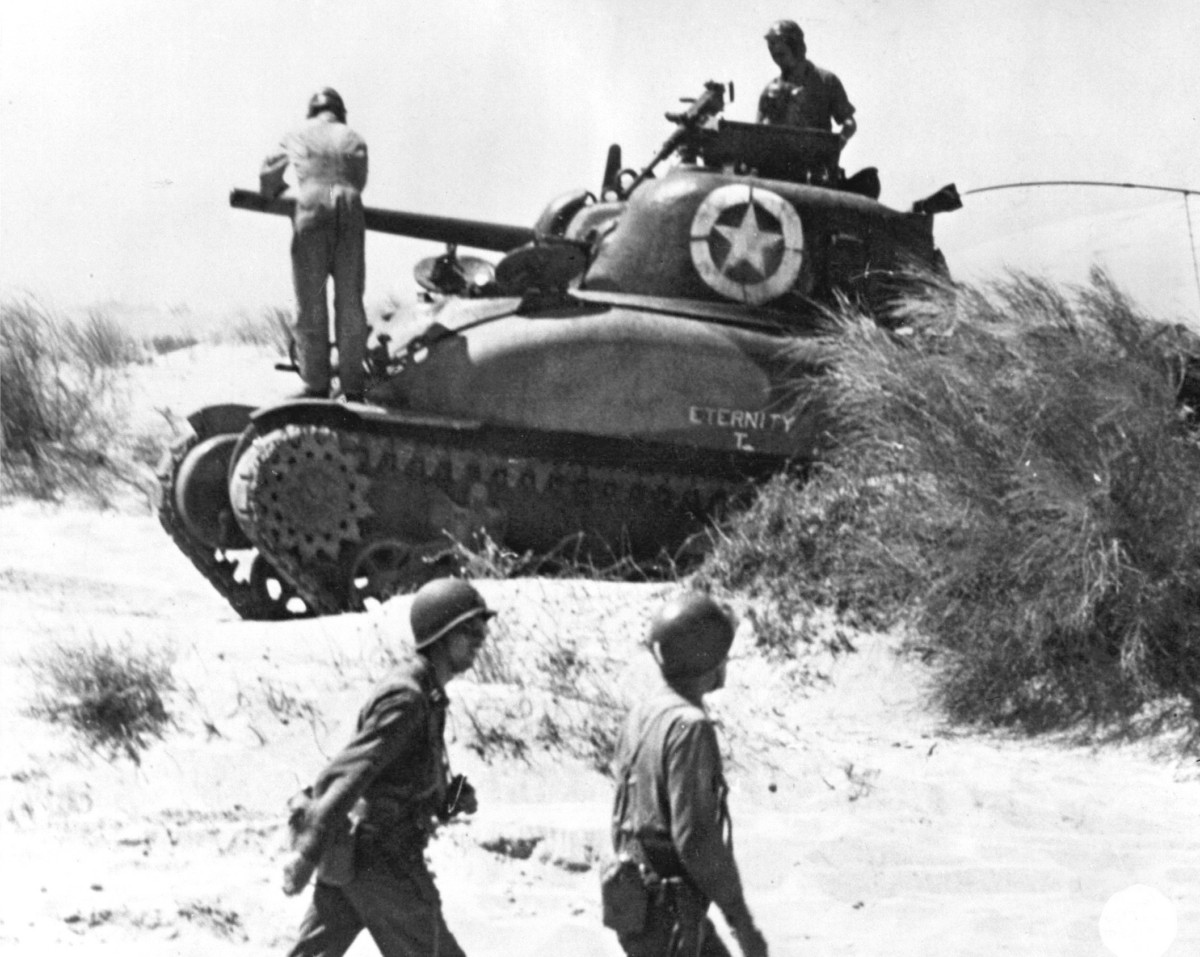
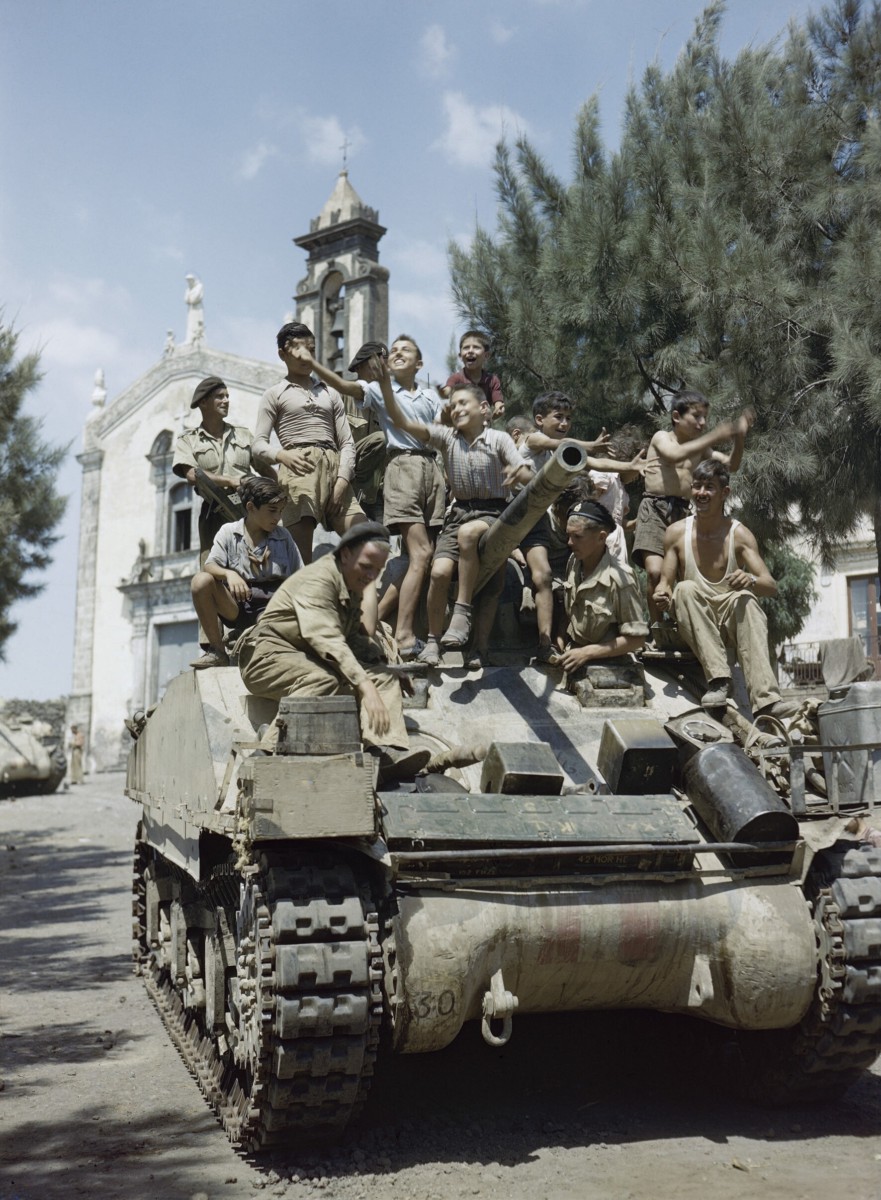
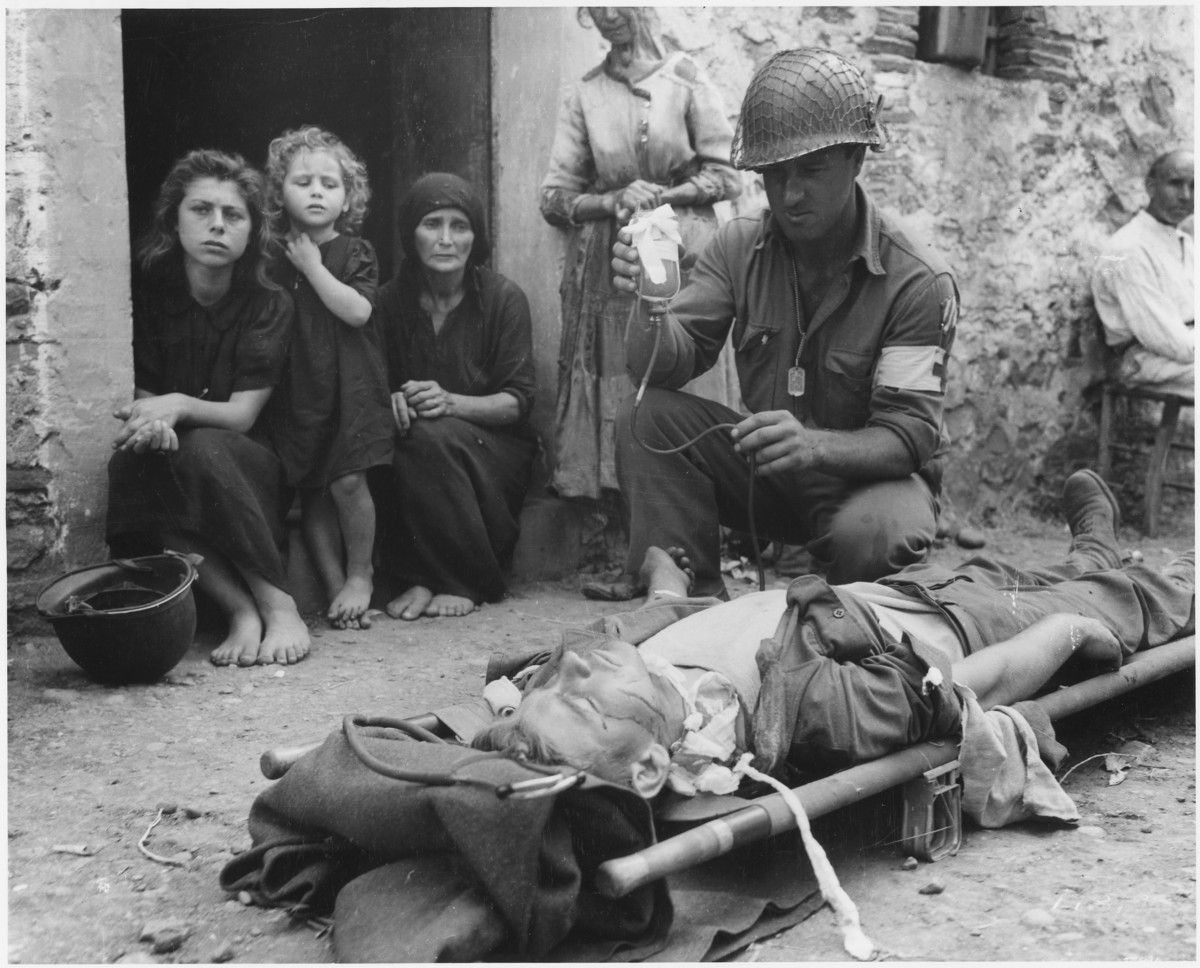
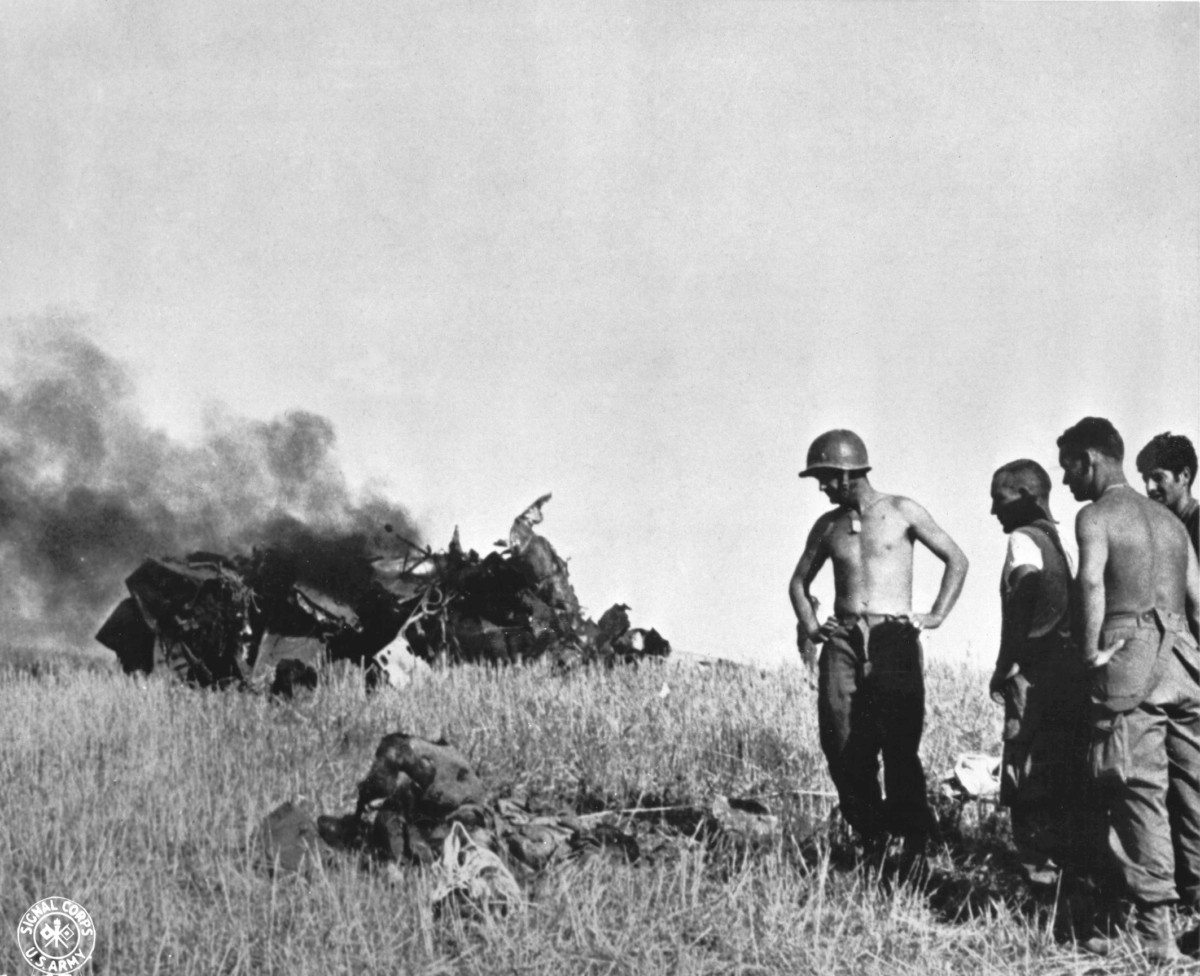
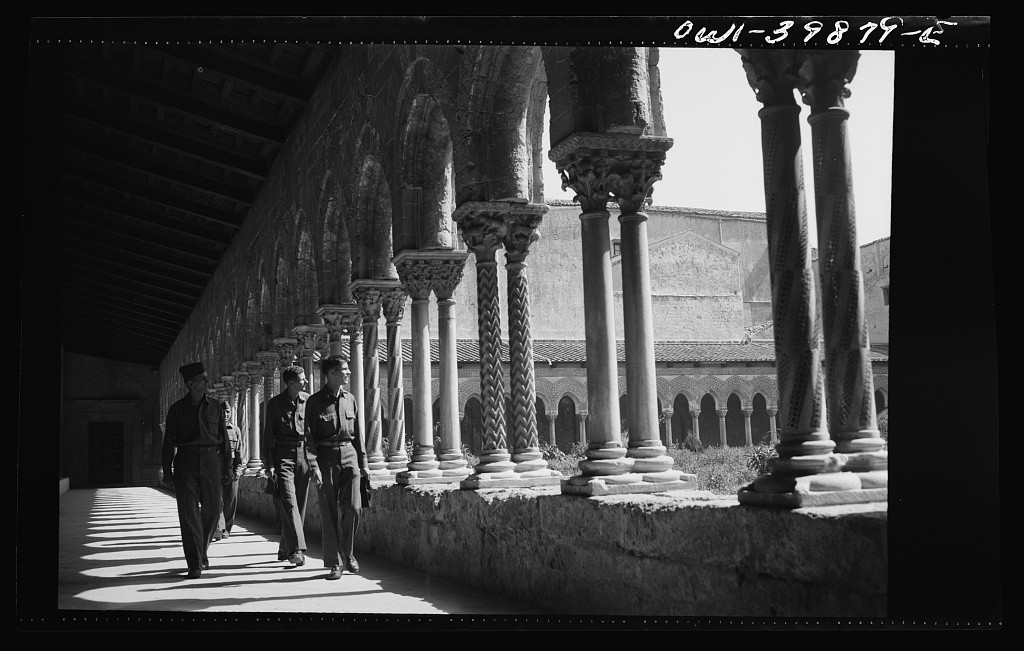
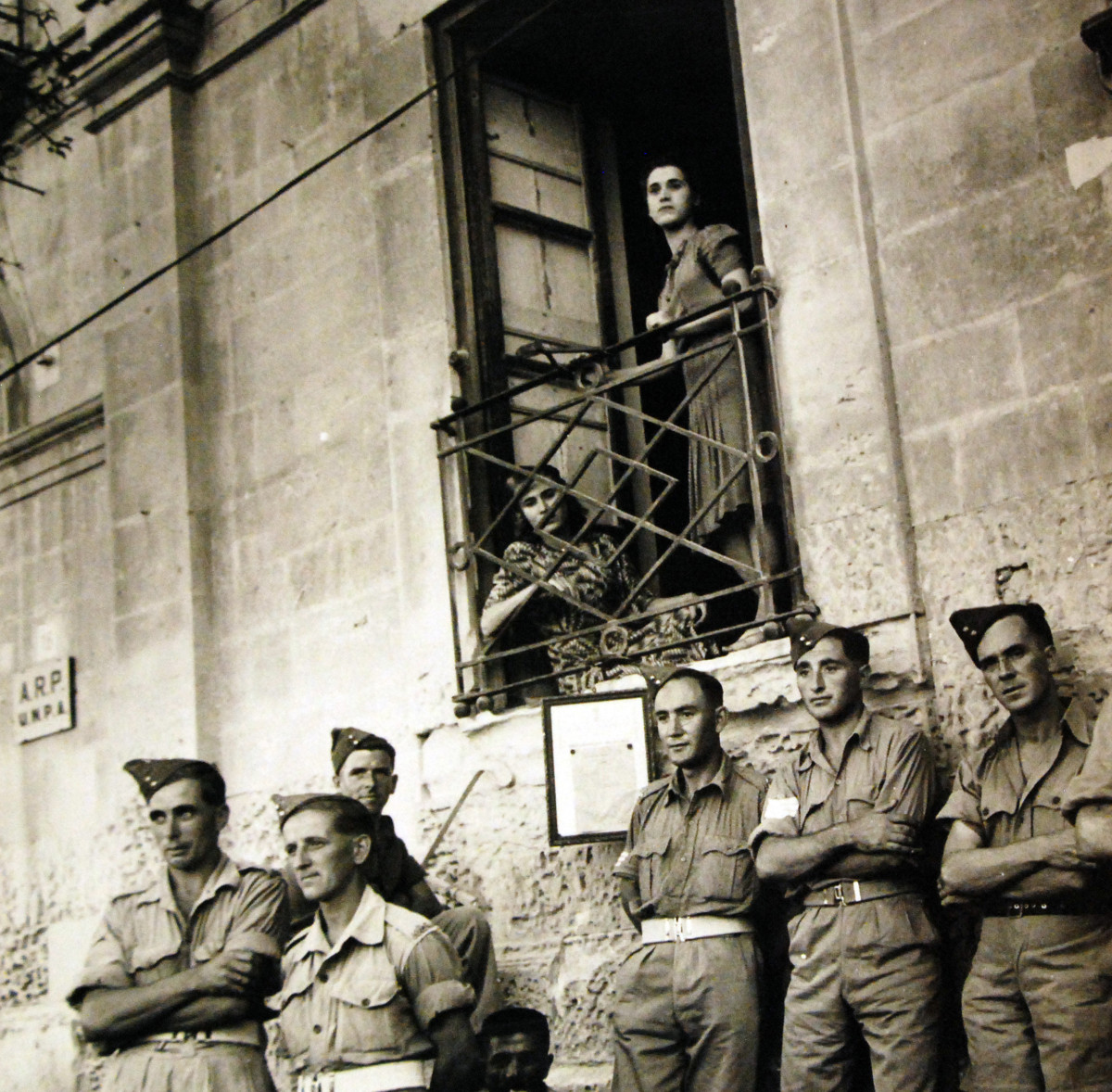
While anonymous military photographers focused on the hardware of war—tanks clogging narrow medieval alleys or the wreckage of Messerschmitts in olive groves—Nick Parrino’s work for the Office of War Information offered a different perspective. Parrino’s lens often bypassed the machinery to focus on the Sicilian people. His images show the immediate aftermath: children playing atop burnt-out Panzers, the reopening of local markets under the Allied Military Government of Occupied Territories (AMGOT), and the weary faces of Italian prisoners of war.
These visual records highlight the logistical miracle of the evacuation of 100,000 Axis troops across the Strait of Messina, which occurred despite Allied air superiority. The photographs from late August 1943 depict a Sicily in a strange state of limbo. The war had moved to the Italian mainland, but the island remained a staging ground, filled with the debris of a fallen regime and the burgeoning presence of a new administrative power.
Related articles: The Macabre Capuchin Catacombs of Palermo, Child Labour And the Sulphur Mines in Sicily
Old photographs of the Allied Invasion of Sicily, 1943
July, August 1943


Men of the 6th Durham Light Infantry chat with an American paratrooper in Avola, 11 July 1943. Author: No 2 Army Film & Photographic Unit, Travis (Sgt)




September 1943



Common Questions About the 1943 Liberation of Sicily
When did Allied forces capture Palermo during Operation Husky?
General Patton’s Seventh Army officially entered Palermo on July 22, 1943. The city’s fall followed intense aerial bombardments and was a critical milestone in securing Sicily’s deep-water ports.
What was the role of the Port of Messina in World War II?
Messina served as the final evacuation point for Axis forces retreating from Sicily. Despite heavy Allied bombing, approximately 100,000 German and Italian troops managed to cross the Strait of Messina to mainland Italy by August 17, 1943.
Who was Nick Parrino and what did he document in Sicily?
Nick Parrino was a photographer for the Office of War Information who focused on the human element of the Sicilian campaign. His work captured the daily lives of civilians, the reopening of markets, and the social impact of the Allied occupation.
What was AMGOT in post-fascist Sicily?
AMGOT stands for the Allied Military Government of Occupied Territories. It was the administrative body established to manage local governance, logistics, and the distribution of rations after the fall of the fascist regime.
Topics: old pictures of Italy during WWII, Sicily WWII, old photographs of Sicily

Weird Italy, Guide to Unusual & Amazing Places to see in Italy. Italy’s news in English: Art, History & Facts